I Prescribe Ozempic and Here Are 3 Eating Habits That Make It Work Twice as Fast


The foods you eat can directly influence how your body functions. A nutritious diet is essential for muscle repair, energy, and a good immune system. Healthy, wholesome foods help fuel your brain and boost cognitive abilities, boost mood, lower inflammation, prevent chronic disease, and promote gut health. That's a pretty amazing value for the small price of consuming a regular healthy diet.
Focusing on the elements of your weekly rotation is extremely important. But quality food isn't the only thing—maintaining good habits should also be a top priority. For instance, some people are guilty of snacking mindlessly, eating late at night, or skipping meals because of a busy schedule. Any of these habits can result in bad digestion, poor sleep, an increase in blood pressure, weight gain, or eating more than your body needs.
If you're dieting and considering taking a GLP-1 medication to help with weight loss, it's even more important to be mindful of food consumption—and smart habits. Doing so can lead to more successful results. To help you get started, we learned three eating habits that will make Ozempic work twice as fast from a doctor who prescribes it.
Consider GLP-1s a Tool, Not the "Whole Solution"
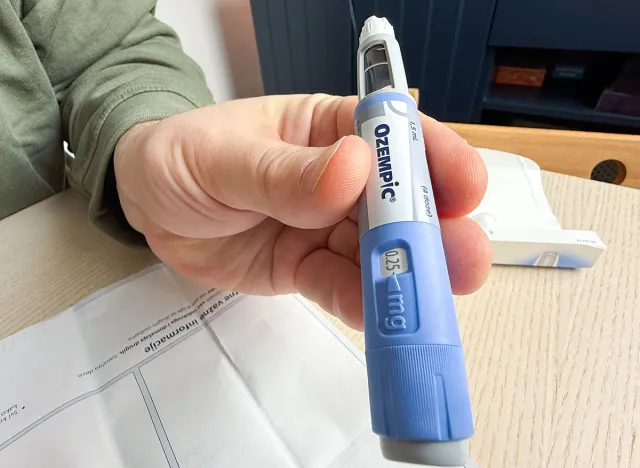
According to Adria Strable, DNP, FNP, CNE, BSN, BSBA, Director of Medical Services at Vitalis Milk, it's important to remember that prescription medication like Ozempic serves as a tool rather than "the whole solution." It's simply a piece of the overall puzzle.
RELATED: 5 Morning Exercises That Restore Thigh Strength Faster Than Squats After 55
How Ozempic Works
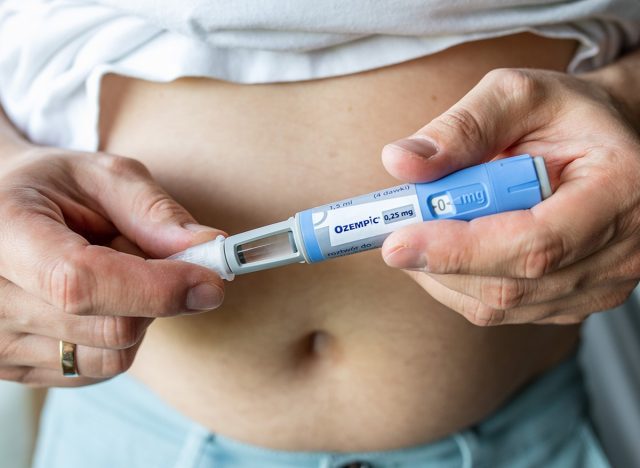
Strable explains, "Ozempic works by regulating blood sugar, slowing gastric emptying, and helping reduce appetite, but the people who see the best results are almost always the ones who pair the medication with the right eating habits. In my experience, the difference between someone losing five percent of their body weight and someone losing 15 to 25% often comes down to how they eat while taking the medication."
Diet still plays a massive role in one's weight-loss efforts because Ozempic promotes better communication between your metabolism and brain.
"If you support that process with smart eating patterns, the medication works far more efficiently and effectively. If you work against it with certain habits, results slow down despite a lower appetite," Strable adds.
Below, Strable breaks down the healthy eating habits to prioritize.
Have Protein in Each Meal
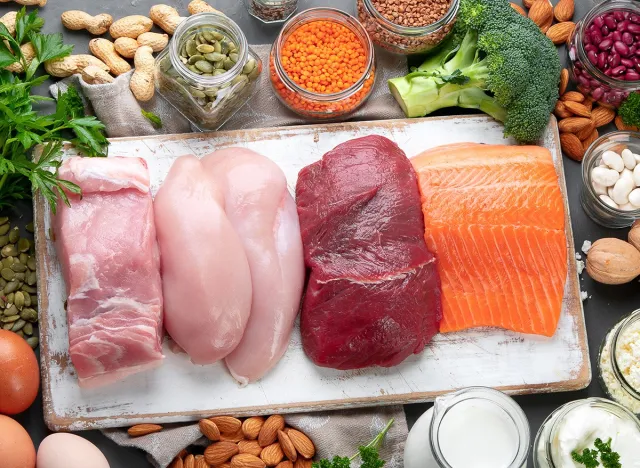
Make sure each meal contains quality protein. When appetite decreases, you may find yourself unintentionally eating less protein. Doing so can slow down your metabolism and cause muscle loss.
"Protein stabilizes blood sugar, protects lean muscle mass, and helps maintain fullness longer," Strable tells us. "I often encourage patients to follow a simple 'protein first' approach—eat the protein portion of the meal before carbohydrates. That might look like eating eggs before toast, chicken before rice, or Greek yogurt before fruit. Most people do best when they aim for roughly twenty-five to thirty-five grams of protein per meal. When patients consistently do this, they preserve muscle while losing fat, and the weight tends to come off more steadily."
Listen to Your Hunger Cues
Another pro tip? Be in sync with your body by playing close attention to hunger cues. For instance, stop eating at the first sign of fullness.
"One of the ways GLP-1 medications work is by activating satiety signals earlier than usual," Strable notes. "Many patients feel satisfied well before they are used to stopping. The challenge is that people are conditioned to finish what is on their plate, so they sometimes override that signal. I teach patients to pay attention to subtle cues—food starting to taste less exciting, hunger fading, a light feeling of pressure in the stomach, or simply realizing they are no longer truly hungry. That moment is the body's natural stopping point."
When you listen to these cues rather than eating out of habit, calorie intake will naturally decrease.
RELATED: The 8-Minute Standing Routine That Firms Midsection After 55, According to a Coach
Snack Less

Another habit that can significantly boost weight-loss progress on GLP-1s is snacking less and sticking with structured meal patterns. Even though Ozempic regulates insulin, snacking throughout the day can slow down the fat-burning process and keep insulin levels high.
"I typically encourage patients to aim for three balanced meals per day with an optional protein-based snack if needed rather than eating small amounts continuously," Strable tells us. "Spacing meals allows insulin levels to fall between meals and supports the body's ability to use stored fat for energy. Interestingly, many people naturally move toward a ten- to twelve-hour eating window while on Ozempic because they simply are not hungry as often, and this pattern can further support metabolic health."
Adopting Sustainable Lifestyle Habits Helps With Long-Term Weight Loss
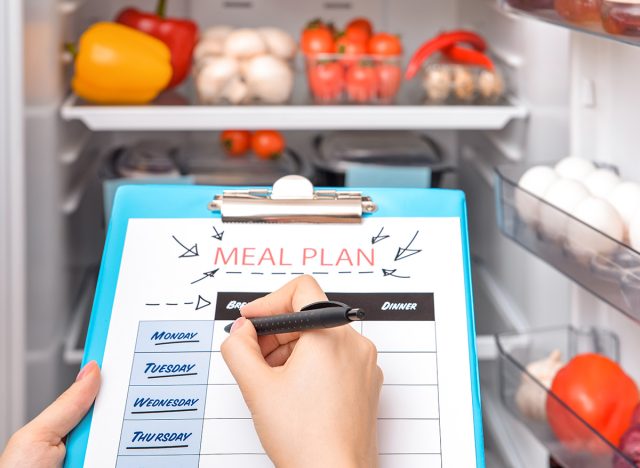
Implementing healthier, sustainable lifestyle habits will help you keep the weight off in the long-term.
"The bottom line is that medications like Ozempic can be incredibly helpful for improving metabolic health and supporting weight loss, but they work best when paired with habits that reinforce how the medication functions," Strable says. "When patients focus on protein, listen to early fullness cues, incorporate small metabolic boosters like cinnamon and post-meal walking, and follow a more structured eating rhythm, results tend to be faster, healthier, and much easier to sustain long term."
For more weight-loss inspiration, check out America Ferrera Lost Weight at 41 and Here Are the 5 Things She Tossed Starting With Her Scale.


