I'm an Obesity Specialist and Here Are 4 Things That Happen When You Stop Taking Ozempic


Taking a GLP-1 medication like Ozempic for weight loss requires careful consideration and thoughtful planning. Being prepared before you start, and having a solid game plan during treatment and after you stop, is essential for success—especially if you want to maintain your results. We spoke with Dr. Bronwyn Holmes, M.D., a member of the Medical Advisory Board at metabolic health platform Eden, to learn exactly what happens to your body when you stop taking Ozempic.
"Ozempic (semaglutide) works by mimicking the GLP-1 hormone, which impacts blood sugar regulation, appetite control, and gastric emptying. Once the medication is discontinued, a few key physiological changes can occur," Dr. Holmes explains.
Appetite Returns

Ozempic suppresses your appetite, so it makes perfect sense that when you stop taking it, your appetite would return.
"Appetite usually returns rapidly due to a rebound in hunger hormones like ghrelin, leading to increased caloric intake," Dr. Holmes tells us.
Gastric Emptying Speeds Up
Another benefit of GLP-1 medication is that it delays gastric emptying.
"[Once you stop taking Ozempic,] gastric emptying speeds up again, which reduces early satiety and can make portion control more difficult," Dr. Holmes says.
Spikes in Blood Sugar Return
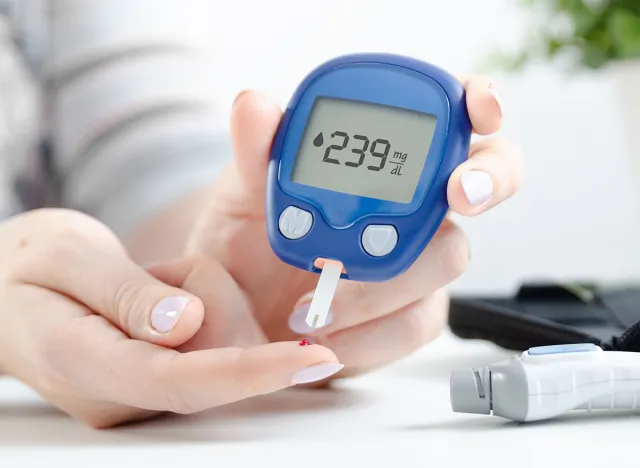
Spikes in blood sugar are another common occurrence when discontinuing Ozempic, particularly in those with type-2 diabetes or insulin resistance. This can cause increased cravings.
Lower Resting Metabolic Rate

Muscle loss is a common side effect of GLP-1 medication. Without regular strength training or sufficient protein intake while taking Ozempic, muscle mass may decline, leading to a lower resting metabolic rate.
"Resting metabolic rate may be lower, contributing to 'Ozempic rebound' or regained weight, often as fat rather than lean tissue," Dr. Holmes says. "In clinical trials, individuals who stopped semaglutide without structured lifestyle maintenance regained two-thirds of lost weight within a year."
In order to avoid rebound weight gain after GLP-1 usage, Dr. Holmes recommends adopting a few healthy habits to minimize weight regain.
Consume Plenty of Protein and Fiber
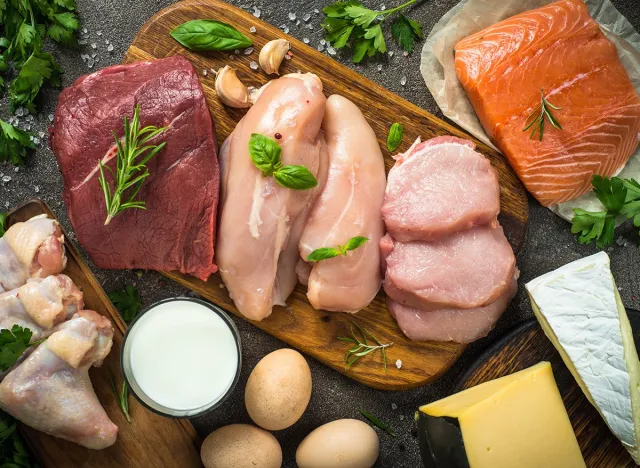
Foods high in protein and fiber promote satiety.
"Aim for meals centered around lean protein and fiber-rich vegetables or whole foods (e.g., legumes, oats, leafy greens). These help replicate the fullness previously supported by delayed gastric emptying," Dr. Holmes explains.
Perform Strength Training

Another tip? Perform strength training workouts two to three times a week.
According to Dr. Holmes, "Resistance-based training helps preserve or build lean muscle, which is your metabolic engine. It's the key to protecting resting energy expenditure once appetite returns."
Be Consistent

Consistency is key to maintaining weight loss in the long term.
"Timing your meals, journaling your food or daily movement, and keeping a predictable structure go a long way in avoiding unconscious overcompensation post-medication," Dr. Holmes shares.
Have Support

Having a solid support system at your fingertips can make all the difference in the world.
"Whether a nutritionist, metabolic health coach, or licensed provider, ongoing guidance is a positive predictor of long-term success. Eden members often continue Health Club support beyond treatment to stay accountable during this transition," Dr. Holmes says.
If you're curious about what else GLP-1s can do, check out 5 Surprising Health Benefits of GLP-1 Drugs That Have Nothing to Do With Weight Loss.


