I'm a Doctor Who Treats Ozempic Patients and These Are 3 Signs Your Dose Is Too High That Your Doctor Might Miss

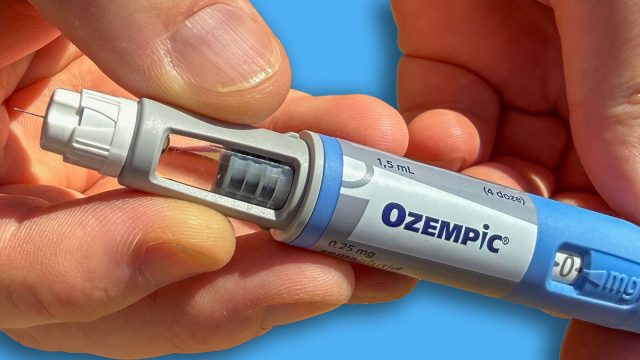
Any prescription medication involves utmost care and caution—by the physician who prescribes it and by you as the patient taking it. With any drug, your doctor will factor in important information, including your weight, age, and pre-existing health conditions or allergies. They will also consider other prescriptions you may be taking to ensure what you are given is the right match.
It's essential that the patient take proper steps when taking prescribed medications as well. This includes following instructions carefully, adhering to any warnings or interactions, and being mindful of any possible side effects.
Take These Meds Carefully

This also holds true for anyone taking Ozempic for weight loss. Ozempic is a powerful, highly effective drug that mimics the GLP-1 hormone and tells your brain it's full, hence suppressing your appetite and making you feel full.
The prescription drug can cause side effects like nausea, diarrhea, and vomiting. But as we pointed out earlier, it's critical to be in sync with your body when taking such a strong medication. To that point, there are three signs we learned from an MD you may not even notice while taking Ozempic that signify your dose is too high. They're so sneaky, in fact, that your doctor may not even notice.
RELATED: 5 Daily Exercises That Restore Hip Mobility Faster Than Floor Stretches After 55
What Is Ozempic and How Does It Work?
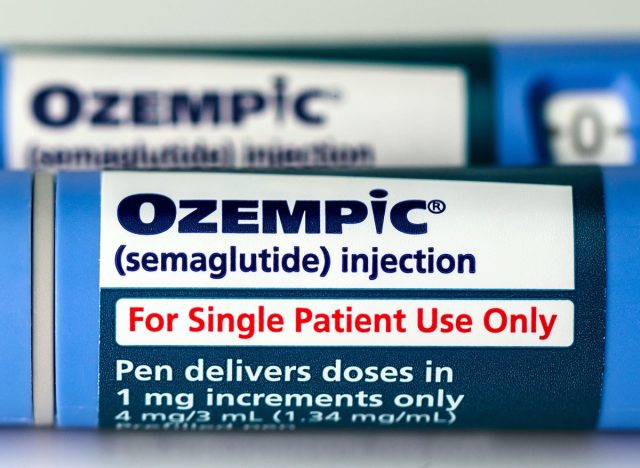
Semaglutide is found in Ozempic and channels the hormone GLP-1, which aids in lowering blood sugar by releasing insulin post-meal consumption. It also reduces the amount of sugar that's released from the liver into the bloodstream.
"Semaglutide [also] affects your appetite and digestion. Semaglutide causes your stomach to digest at a slower rate than normal and sends 'fullness' messages to your brain. The combination of these two actions promotes steady weight loss and improves your metabolic control," says Dr. Blen Tesfu, MD, a Licensed Physician and Medical Advisor at Welzo, who regularly sees patients using GLP-1 medications in her everyday clinical work.
Increasing Ozempic Dosage

According to Dr. Tesfu, physicians typically increase Ozempic dosage gradually in order for the body to adapt to the adjustment. Determining the proper Ozempic dose ultimately comes down to several factors, including blood sugar responses, how well the patient is handling the medication, and the amount of weight loss experienced by the patient.
RELATED: 5 Standing Exercises That Restore Glute Strength Faster Than Squats After 60
Your Doctor Has a Lot to Consider

"In addition, monitoring the patient's potential side effects will be an important factor in the physician's decision-making process when determining the correct dose for the patient," Dr. Tesfu adds. "Physicians' consideration of individual differences in each patient's health will also be considered when making decisions regarding the appropriate dose of Ozempic. The patient's age, current medical status, and the patient's ability to digest certain types of medication will all play a role in the patient's tolerance of the GLP-1 medication."
Follow-up visits with your physician will help them determine whether your current Ozempic dose is offering the desired benefits with minimal or zero side effects.
Your Dose Might Be Too High

A telltale sign your dose is too high is if you experience consistent gastrointestinal distress that goes beyond minor adjustment symptoms. Vomiting, persistent nausea, or stomach pain could mean your body is finding it difficult tolerating the current dose.
"If you notice these signs in yourself or your patient, it is common for clinicians to assess if a slower dose increase should occur," Dr. Tesfu stresses, adding, "A second clue is a significant decline in one's overall energy levels resulting from a failure to consume enough calories to maintain daily needs. The third clue may be significantly faster than normal weight loss from your treatment."
Watch for These Warning Signs
Each one of these "clues" could prompt your physician to review both your nutritional intake and medication dosage. Here's a recap of the signs:
- Consistent gastrointestinal distress that goes beyond minor adjustment symptoms
- Significant decrease in energy due to insufficient calorie consumption
- Faster than normal weight loss from the medication
If you're curious about what else GLP-1s can do, check out 5 Surprising Health Benefits of GLP-1 Drugs That Have Nothing to Do With Weight Loss.


