I'm a Doctor and These 4 Mistakes Cause Rebound Weight Gain After Stopping Ozempic

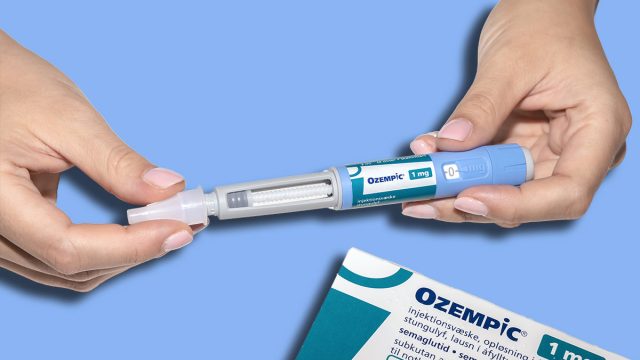
One of the most common concerns after stopping weight-loss medication is the dreaded "rebound weight gain." GLP-1s suppress appetite, delay gastric emptying, and promote healthier blood sugar regulation. Once you wean off of them, their effects disappear, and your hunger cues revert to baseline. In certain cases, hunger signals can even spike because of temporary dysregulation of appetite hormones, explains Dr. Anthony Puopolo, President, LifeMD Affiliated P.C.s. An increased appetite and decreased metabolic requirement create the perfect recipe to pack on unwanted pounds. To help you out, we learned four mistakes that can cause rebound weight gain after stopping Ozempic, according to doctors.
Not Anticipating How Quickly Hunger Can Rebound

Don't underestimate how fast hunger cues return after stopping Ozempic. According to Dr. Puopolo, GLP-1 meds channel hormones that help quiet down "food noise." Naturally, when that stops, you'll experience increased appetite and may constantly think about food.
"This can result in a return to old patterns: eating larger portions (and more fatty, calorie-dense foods) as well as snacking more often," says Dr. Puopolo.
RELATED: I'm an Obesity MD and Here's What Really Happens to Your Muscles After 6 Months on Ozempic
Not Performing Regular Exercise

Achieving your goal weight is only half the battle. Managing it requires hard work and dedication. Optimizing your diet and exercising regularly are both essential.
"Once weight loss goals are achieved, it's natural for exercise to become less of a priority. Maintaining muscle mass (not just through adequate protein intake but through working out as well) is key to a strong metabolism after GLP-1 treatment ends," Dr. Puopolo explains. "Cutting back on physical activity at this stage increases the risk of gaining the weight back and also losing muscle. Keeping up a consistent exercise routine—through both strength training and cardio—helps support metabolism and makes maintaining weight loss more achievable."
RELATED: 5 Body Changes Doctor Warns Happen When Patients Stop Taking Ozempic
Staying off the Scale
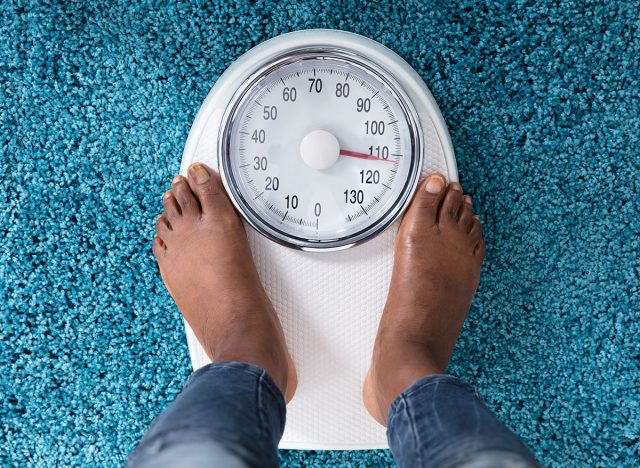
Tracking your weight can make it much simpler to hold onto the results you worked hard to achieve.
"Regular weigh-ins allow you to spot trends early and adjust any habits before the pounds begin to pack on again," Dr. Puopolo stresses. "A balanced, mindful approach to weighing in (such as once a week) can provide useful feedback without becoming stressful or obsessive."
RELATED: 4 Things You Need to Know Before Quitting Ozempic, Says an Obesity Expert
Stopping Abruptly
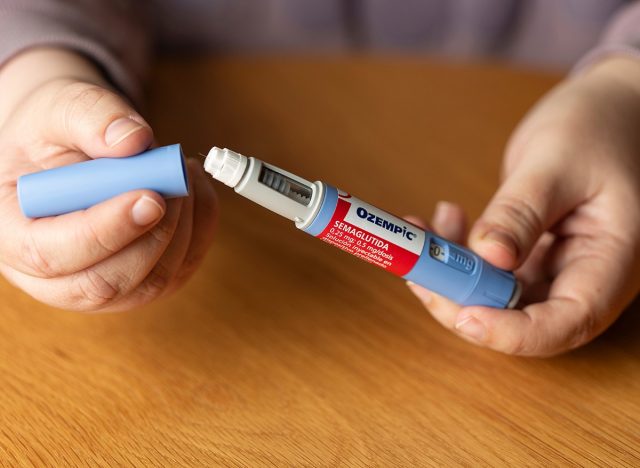
Having the right game plan on deck is crucial as you transition off of GLP-1s. Stopping abruptly can hinder your success and make it more challenging to maintain your results.
"Working with your healthcare provider to gradually lower your dose can give your body more time to adjust. It may also be helpful to talk to your healthcare provider about meal prep ideas, an exercise regimen, and stress management tips," Dr. Puopolo says. Curious what else GLP-1 drugs can do? Here's 5 Surprising Health Benefits of GLP-1 Drugs That Have Nothing to Do With Weight Loss.


