I'm a Dietitian Who Works With Patients Over 50 and These Are 3 Post-Ozempic Eating Mistakes I See Every Week

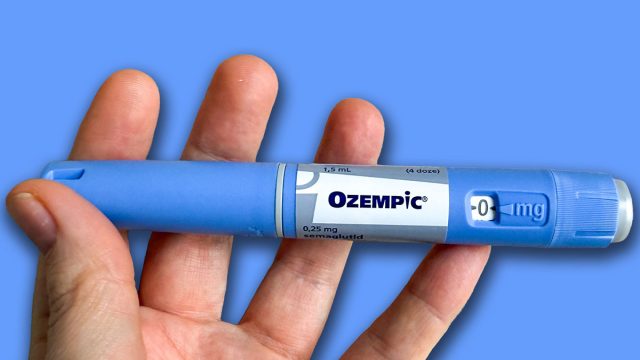
Just about everyone makes mistakes when trying something new—especially when it concerns life after dieting. It's common to put a great deal of effort into losing weight, but not so much when it comes to sustaining the weight loss. It is, in fact, just as important to have a plan in place—and knowing what to eat and not to eat is a big part. Adrienne DePaul, MS, RDN, LDN, Clinical Nutrition Supervisor and Registered Dietitian Nutritionist with Health Loft, works with patients over 50 and helps them reach their goals, from better blood sugar control to increased energy. She sees three post-Ozempic eating mistakes every week and is here to share so you can be prepared.
What Happens When You Stop Taking Ozempic
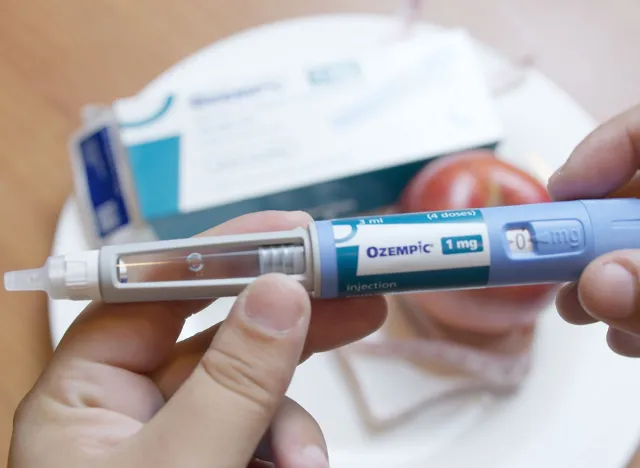
When you discontinue Ozempic, a few things occur: your appetite reverts to baseline, "food noise" returns, and portion sizes naturally creep back up.
"GLP-1 medications enhance satiety hormones and slow gastric emptying, so when they're removed, hunger hormones like ghrelin rebound. I often hear patients say 'I feel hungry like I did before' and that's normal. It's biology reasserting itself and doesn't mean anything about the person's willpower around food," notes DePaul.
Post-Ozempic Eating Mistakes an RDN Sees Every Week
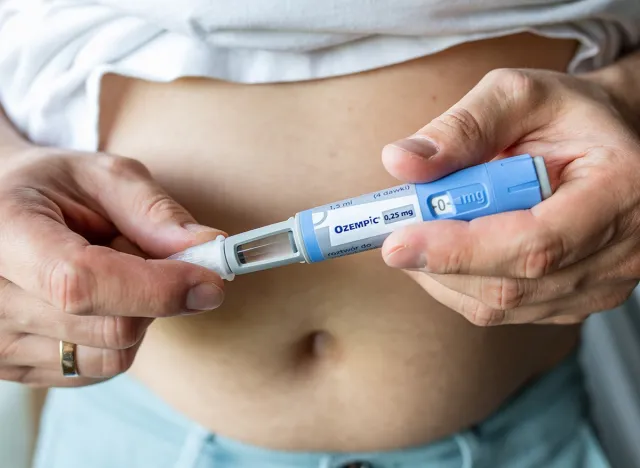
"As a registered dietitian specializing in weight management, GLP-1 medications like Ozempic, and adults over 50, I can tell you this: What happens after the medication often matters just as much, if not more, than what happens on it," DePaul tells us.
She practices an "all foods fit" approach which prioritizes rules that don't cause fear or moralizing food. For those in their 50s and beyond, weaning off of GLP-1 medication calls for strategy.
Mistake #1: "Not Adjusting to the Return of Hunger"

Many patients continue to consume the very small portions they ate while taking ozempic, which can majorly backfire.
"This leads to undereating early in the day which leads to becoming overly hungry later and can result in grazing at night. All of this added together can lead to overeating and eventually weight regain," DePaul explains. "For those over 50, blood sugar regulation isn't as forgiving and large swings in blood sugar levels can increase fatigue and cravings."
DePaul recommends having structured, high-protein meals every three to four hours to keep you full while stabilizing blood sugar.
RELATED: 5 Standing Exercises That Shrink Love Handles Faster Than Weight Training After 50
Mistake #2: "Returning to 'Reward' or Restriction Cycles"
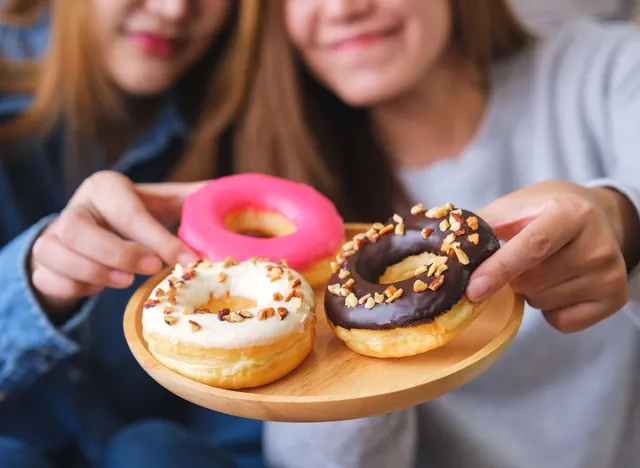
"I often hear, 'I was so strict while on Ozempic. Now I feel like I deserve to relax.' Or, conversely, 'I'm scared of regaining weight, so I'm cutting everything.' I've seen both extremes create problems," explains DePaul.
Regularly rewarding yourself with low-protein, high-calorie is a surefire way to increase your daily calorie intake. This approach can also derail your body composition and muscle retention goals, causing blood sugar spikes.
"On the other hand, highly restrictive eating slows metabolism further, increases cravings, and reduces dietary satisfaction and quality of life. Long-term this can contribute to binge-restrict cycles that negatively impact weight and body composition," DePaul says.
Mistake #3: "Underestimating Protein Needs"
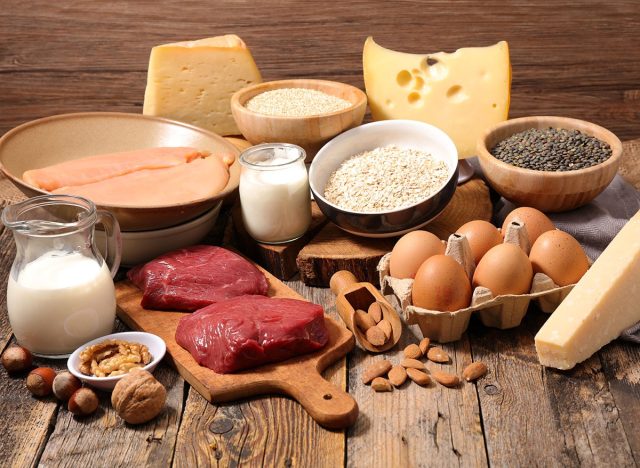
Underestimating your protein needs is the most common yet most significant mistake. As you lose weight, your protein needs increase in order to build and preserve muscle.
"After age 50, adults naturally lose 1–2% of muscle mass per year without resistance training and adequate protein," DePaul tells us. "When protein intake is low, muscle repair slows, resting metabolic rate declines, insulin sensitivity worsens. This is because metabolism is largely driven by lean body mass, so when muscle decreases, calorie needs drop making weight regain easier even at moderate intake levels."
Habits That Matter When Maintaining Weight Loss Long-Term
Losing weight—and keeping it off for the long-term—requires hard work, dedication, and sticking with healthier lifestyle habits. DePaul outlines several to prioritize.
RELATED: 4 Wall Exercises That Restore Hip Mobility Faster Than Yoga After 60
Add Protein to Each Meal
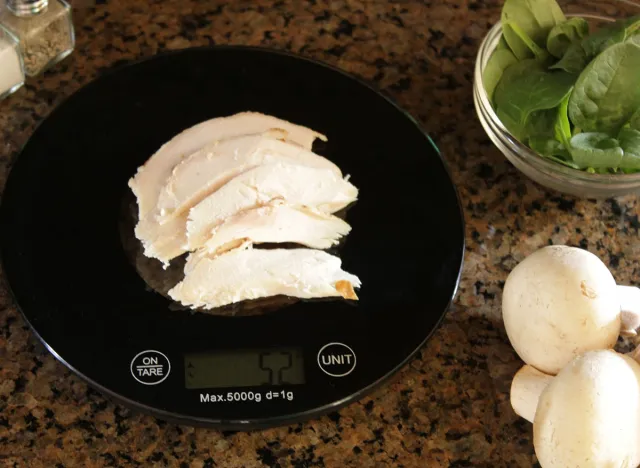
Your goal should be to consume 25 to 35 grams of protein in each meal.
"This should be a priority, not an afterthought, but should also be paired with other foods to support stable energy and long term post-meal satisfaction," DePaul stresses.
Strength Train Two to Three Times a Week

It's important to focus on building and preserving muscle mass during and after your weight-loss journey. That's where regular strength training comes into play.
"Nutrition alone cannot preserve muscle," DePaul says. "Even light resistance bands or bodyweight exercises significantly improve muscle retention and metabolic health in adults over 60. Check with your doctor before starting a new exercise routine and follow up with a certified personal trainer for a routine appropriate for you."
RELATED: 5 Standing Exercises That Rebuild Core Strength Faster Than Gym Classes After 50
Prioritize Fiber-Dense, Volume-Based Eating

Hunger will revert to baseline once you discontinue Ozempic.
"The solution is to roll with it rather than trying to eat the exact same way you did while on GLP-1 medication," DePaul says. "Pair protein with vegetables, beans, whole grains, and fruit to support increased volume without excess calories. These higher fiber foods typically also contain carbohydrates which support sustained blood sugar levels and therefore improved energy for longer after meals."
If you're curious what else happens to your body when you wean off the weight-loss meds, check out 5 Body Changes Doctor Warns Happen When Patients Stop Taking Ozempic.


