I'm a Dietitian and These Are 3 Foods That Naturally Trigger the Ozempic Effect Without Medication

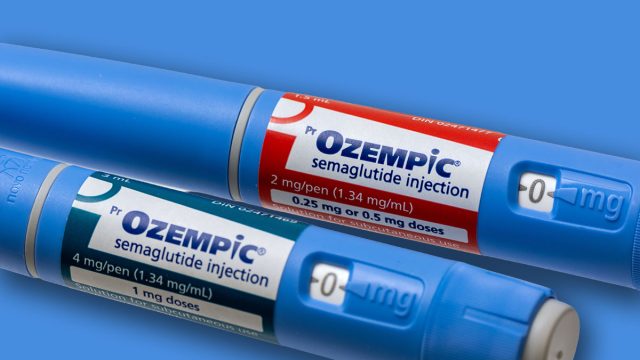
Ozempic has become a popular prescription medication for weight loss in the 21st century. The drug's active ingredient, semaglutide, helps slow down digestion and regulate appetite by increasing feelings of fullness. As a result, many patients end up consuming less calories, which can result in fat loss.
For many individuals, this plan has worked wonders. Others choose not to take Ozempic for several reasons, including cost, side effects, health risks, or not wanting to rely on medication for the long-term. While no food is 100% comparable to Ozempic, certain foods can help increase satiety. We spoke with a dietitian who shares five foods that boost feelings of fullness—without the use of medication.
How Certain Foods Can Channel the Properties of Ozempic
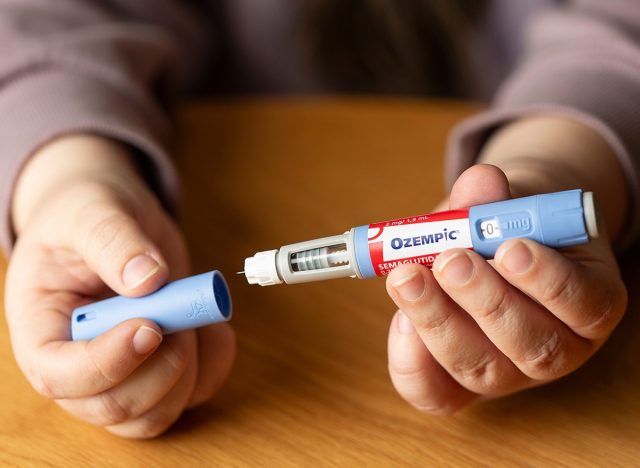
"Full disclaimer, there are no foods that will work as well as the pharmaceutical medications. The GLP-1 hormone is broken down within a few minutes; there is nothing you can do to extend this," explains Ana Reisdorf, MS, RD, Registered Dietitian and Founder at GLP-1 Hub.
When people say certain foods can channel the properties of Ozempic, they're typically referring to reduced appetite, increased feeling of fullness, and improved blood sugar.
"But these effects are much weaker and shorter-lasting than the medications," Reisdorf says. Read on to learn about foods that can naturally stimulate GLP-1.
High-Protein Foods
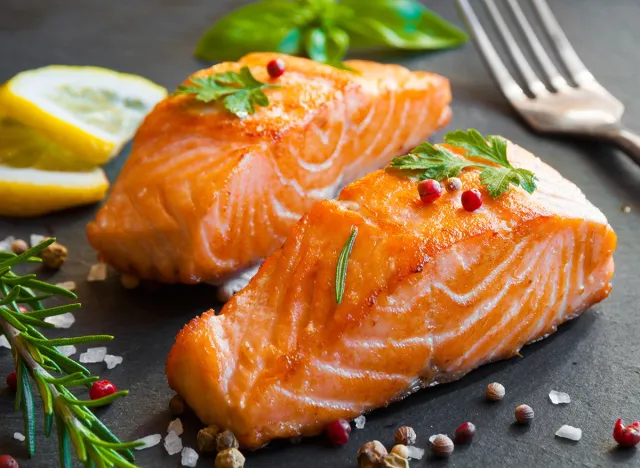
Protein tends to be the most "staying power" macronutrient because it slows gastric emptying, has a higher thermic effect than carbs or fat, and it can increase post-meal satiety hormones like GLP-1 and PYY, which are part of the same appetite-regulation pathway people associate with GLP-1 meds (just far weaker and shorter-lasting).
Best Whole-Food Protein Picks
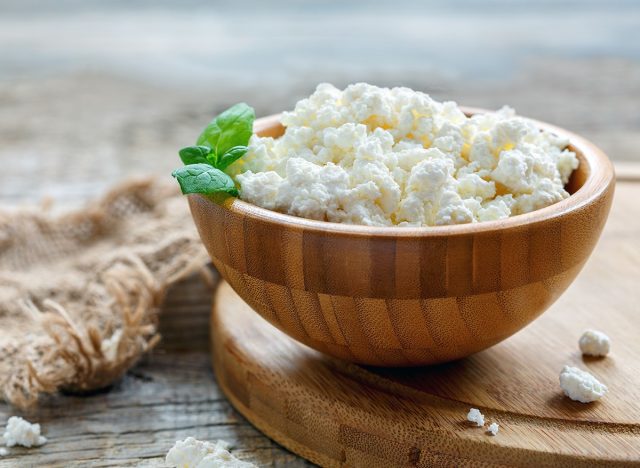
To get the most benefit, prioritize whole-food proteins (poultry, eggs, Greek yogurt, cottage cheese, fish, legumes) over relying on powders, since, as Dr. Andrea Furlan notes, "When you eat real food, you are also getting many other nutrients."
High-Fiber Foods
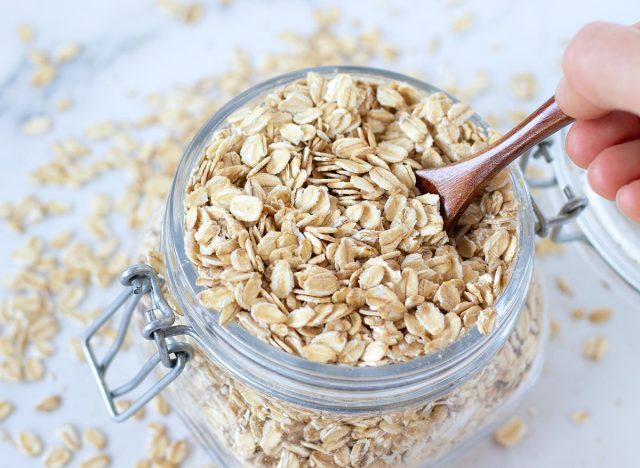
Fiber helps mimic the "fuller faster" feeling in two ways: it adds bulk and slows digestion, and fermentable fibers (like those in oats, lentils, berries, and many vegetables) are broken down by gut bacteria into short-chain fatty acids that can stimulate GLP-1 and PYY release in the colon.
Easy High-Fiber Staples to Eat More Often
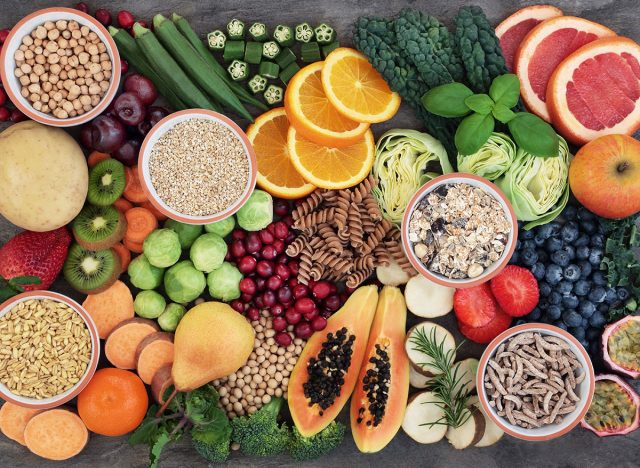
Practically, this works best when you build meals around naturally high-fiber staples (oatmeal, lentils, berries, broccoli, quinoa, sweet potatoes) and increase fiber gradually with plenty of water to avoid GI discomfort.
Healthy Fats
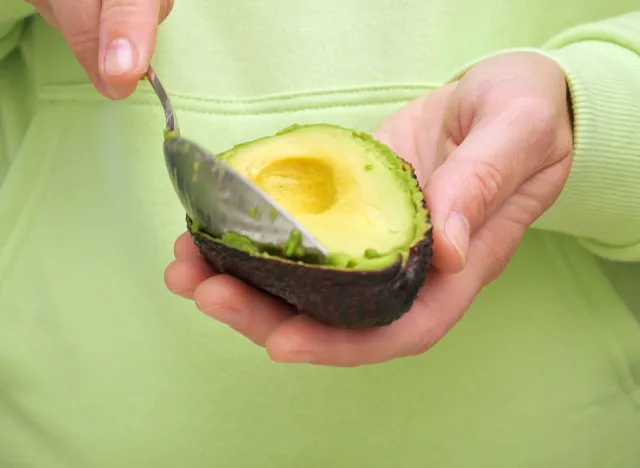
Healthy fats can extend fullness because dietary fat in the small intestine slows gastric emptying and triggers multiple gut satiety signals, including hormones like CCK, which helps shut down appetite as a meal progresses.
Healthy Fats That Help You Stay Full Longer
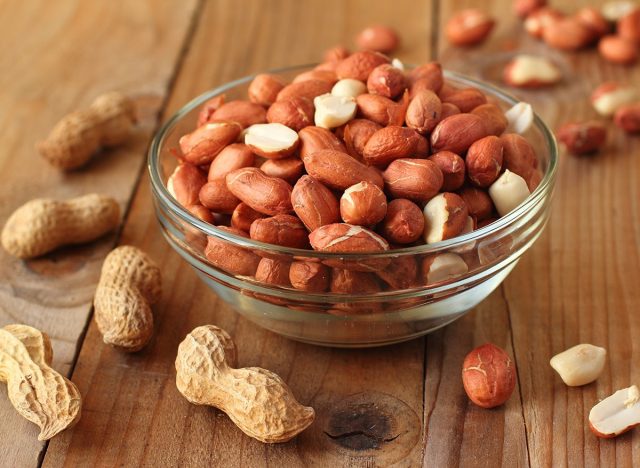
They also help your body absorb fat-soluble vitamins (A, D, E, and K), which is one reason salads or veggie-heavy meals tend to be more satisfying when they include a little olive oil, avocado, or nuts. As Tara Collingwood, MS, RDN, puts it: "These Vitamins are classified as fat soluble vitamins which means they do need some fat in the diet to be properly absorbed, ideally at the same meal."
How Protein, Fiber, and Healthy Fats Impact Appetite Differently
"Protein stimulates satiety hormones and supports lean muscle. Fiber adds bulk and slows digestion, while healthy fats make the food move slower through the digestive system," Reisdorf explains.
These foods offer the most effective benefits when combined. According to Reisdorf, a meal that contains healthy fats, fiber, and protein offers a "synergistic effect" that balances blood sugar and promotes satiety.
If you're curious about what else GLP-1s can do, check out 5 Surprising Health Benefits of GLP-1 Drugs That Have Nothing to Do With Weight Loss.


