I'm an MD and Here's What Happens to Your Body the First Month After Stopping Ozempic


If you're embarking on a weight-loss journey and considering GLP-1s like Ozempic, there are more than a few things to keep in mind. For starters, optimizing your daily lifestyle to be as healthy as can be is essential for long-term success. It's also important to be prepared for life after Ozempic. After all, GLP-1s should be viewed as just one part of a well-rounded wellness routine—not a magical solution. So we spoke with an MD who shares exactly what happens to your body the first month after stopping Ozempic.
How Resting Metabolic Rate Changes After Stopping Ozempic
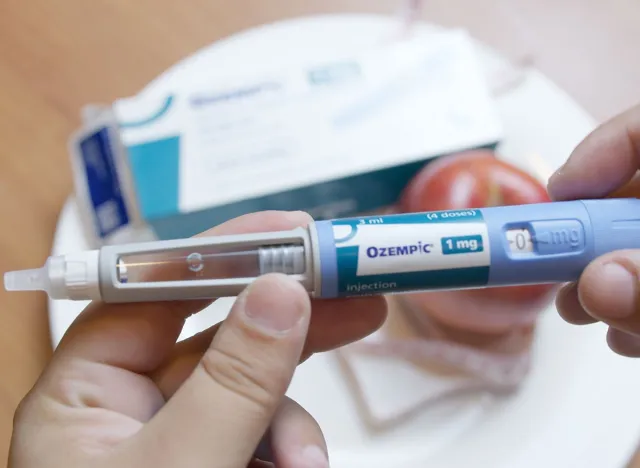
After stopping GLP-1 medication, many patients notice subtle changes in resting metabolic rate as their body adjusts and determines where it can maintain weight loss without the use of medication. When you lose weight, your body requires fewer calories—as a result, resting metabolic rate decreases since it doesn't need to torch calories at a higher rate.
"In general, the body takes anywhere from three to six months for its metabolism to find a new balance of what one consumes (calories) and what one expends (burns)," explains Dr. Blen Tesfu, MD, a Licensed Physician and Medical Advisor at Welzo, who regularly sees patients using GLP-1 medications in her everyday clinical work. "In general, if one continues with regular exercise (such as strength training) and eating a well-balanced diet, they can assist their metabolism through this transition time."
How Hunger Hormones Shift
According to Dr. Tesfu, hormonal signals for hunger—such as ghrelin—become more noticeable as they return to baseline. Those that are in charge of signaling fullness—like leptin—will shift according to body composition changes.
"This biological readjustment may result in an increased sensation of hunger; however, this is a typical biological reaction as opposed to being a sign that your treatment was unsuccessful," Dr. Tesfu tells us.
Lifestyle Habits That Can Help Stabilize Metabolism During This Period

Prioritizing a daily routine with regular exercise and a nutritious diet can be incredibly beneficial when it comes to stabilizing metabolism after stopping GLP-1s.
"The foods you eat are also important, as meals that include high amounts of protein, high amounts of fibre, and high amounts of healthy fats will typically keep you satisfied longer and aid in regulating your blood glucose levels," Dr. Tesfu says.
When it comes to building strong, healthy muscles—and promoting a solid metabolic rate—strength training is key.
"In addition to the importance of getting adequate rest through sufficient sleep, managing your stress level will have a positive effect on your hunger hormone levels, which in turn will help you continue with the weight loss and health improvements you experienced during your treatment," Dr. Tesfu notes.
How Rapid Weight Loss Can Impact Metabolism After Stopping
Individuals who have dropped weight more rapidly while taking GLP-1s are more likely to notice a metabolic adjustment after stopping medication.
"The body may also temporarily lower its rate of energy consumption (to preserve energy) when it has lost a large amount of weight quickly," Dr. Tesfu explains, adding, "On the other hand, individuals who have lost weight at a slower rate provide their bodies with additional time to adjust to the changes that have occurred in their energy balance. In order to help maintain a stable metabolic response after stopping treatment, regardless of how quickly or slowly you have lost weight, it is helpful to continue to eat well-balanced meals and stay physically active, as well as take measures to keep your muscle mass up."
To learn more about Ozempic during your journey, check out I Prescribe Ozempic and Here Are 3 Eating Habits That Make It Work Twice as Fast.


