Melissa McCarthy Lost 75 Pounds at 55 Without Extreme Dieting and Here's What Her Doctor Says Made All the Difference

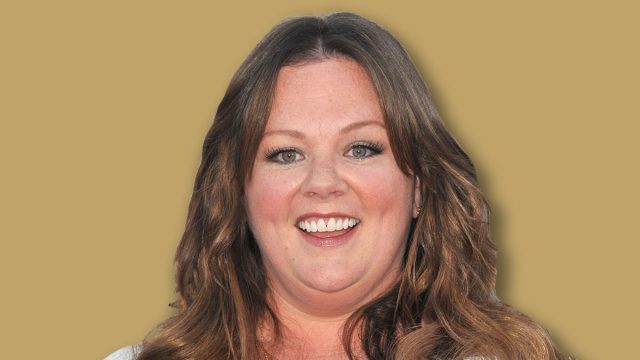
When it comes to aging and weight loss, slow and steady wins the race. After turning 50, your body experiences many natural changes that make losing weight in general quite challenging. Rapid weight loss can result in muscle loss and a slower metabolism. A slower approach is an all-around kinder process, because it gives your body more time to adjust without sticking with a drastic calorie restriction.
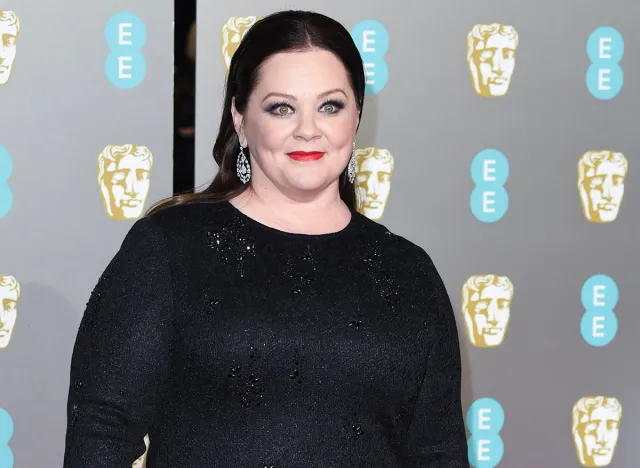
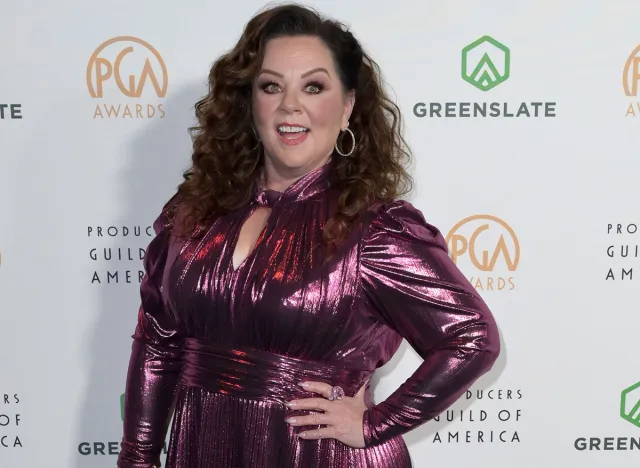
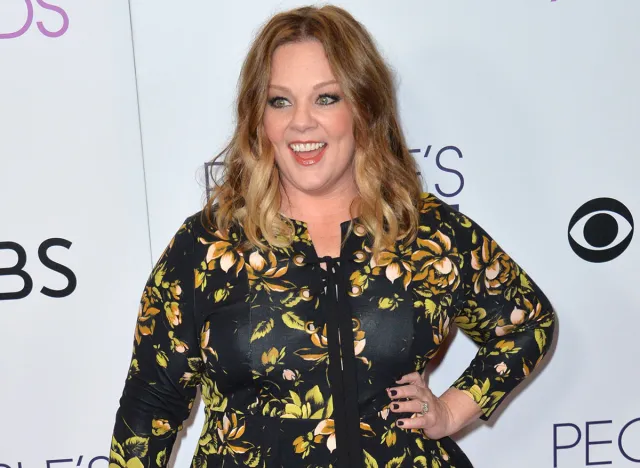
For some serious inspiration, look at 55-year-old actress Melissa McCarthy. The celeb reportedly lost between 75 to 95 pounds, which took several years—proof that a sustainable, steady weight loss over time is healthier and more productive.
She Transformed Her Body on Her Own Terms
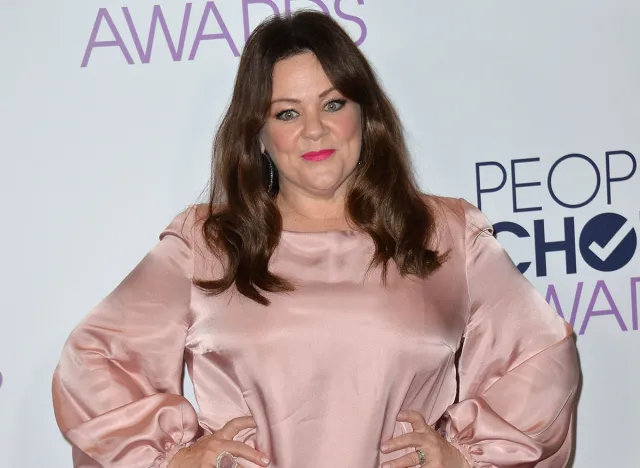
A total believer in body positivity, McCarthy has transformed her body and wellness on her own terms.
"Everybody's always kind of working on something," she shared on The Breakfast Club
Power 105.1FM. "And I was like, 'If I can de-stress and just do it slower and stop constantly trying to be on something,' And then it actually worked better instead of being like, 'I'm gonna not do this and do this and only drink this."
RELATED: The 7-Minute Chair Routine That Firms Belly Pooch Faster Than Crunches After 60
She Didn't Rush the Process or Religiously Follow Extreme Diets
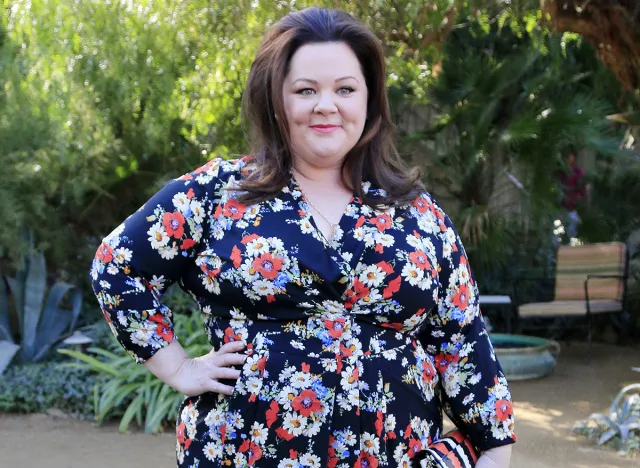
Between being a mom and leading a busy career, weight loss was challenging. Although weight loss was on McCarthy's list, she never believed in extreme diets—or rushing the process.
She told People, "Somewhere in my 30s, I was like 'I'm okay with who I am.' And if someone wasn't thrilled with that, that's okay too. At some point I was like, 'They're not all going to like you.' You have to learn that the hard way, but it's a good [lesson]."
Why Slow and Steady Weight Loss Is Effective
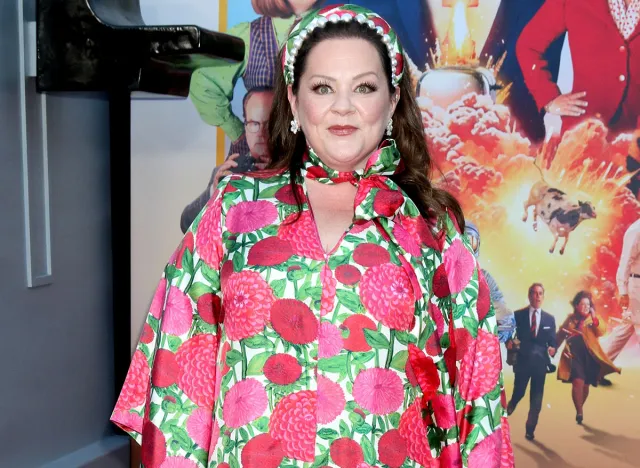
When speaking of McCarthy's weight-loss journey, Mochi Health's Dr. Rochelle Collins, Board-Certified Family Medicine Physician and Obesity Medicine Diplomate dedicated to helping patients prevent and manage weight-related conditions while promoting balance, wellness, vitality and lasting healthy habits, says it's "well within the realm of what we would think of as a normal rate of weight loss."
Dr. Collins notes that the typical rule of thumb is losing one to two pounds per week.
"However, [if] someone [has] a lot of weight to lose, we expect that sometimes the average rate over time will be a little less," Dr. Collins adds. "When people rapidly lose weight, through severe calorie restriction, for example, the body often responds by lowering the rate of metabolism and by breaking down some muscle mass. This makes it even harder to lose weight and to maintain weight loss. When weight loss is slower, the body has time to adjust and is more likely to maintain that weight loss over time."
How Age Impacts Weight Loss
As women age—especially after experiencing menopause—it can become more challenging to lose weight due to shifting in the body's hormonal balance. Estrogen levels decrease, which changes how fat is distributed in the body. Your metabolism also slows down.
"Part of that's because of hormonal changes, but part of that's just the fact that, as people get older, they lose some muscle mass, and muscle burns more calories than fat does," Dr Collins explains. "For a woman who is 55 and in menopause, it might be harder to lose the same amount of weight as when she was 45, even if she's doing all the same things. That's not a function of her effort or her willpower. That's just biology. So we need to take that into account when we treat people who are trying to lose weight."
RELATED: 5 Morning Exercises That Firm Belly Overhang Faster Than Pilates After 60
The Importance of Preserving Muscle When Losing Weight After 50
As you lose weight, you lose lean muscle mass, too. Muscle mass naturally declines with age, which means it's essential to actively build and preserve it.
"It's so important to preserve muscle mass when you're losing weight because it helps your body's metabolism. The more muscle you have, the more calories you burn when you're not doing anything," Dr. Collins tells us. "As people age, after the age of 50, they tend to lose some muscle mass. That's called sarcopenia. If someone is also losing weight, the body will sometimes break down some of that muscle mass as well as breaking down fat. The slower a person loses weight, the easier it is to preserve that muscle mass. You're able to preserve muscle mass if you're losing weight slowly, eating enough protein, and doing strength training. This is really important for overall health, particularly for strength, mobility, and the ability to function as you age."
Extreme Dieting Can Cause Weight Regain
Many individuals who go on an extreme diet and experience rapid weight loss end up gaining the weight back. Essentially, intense calorie restriction stresses the body out.
"When the body is under a lot of stress, it produces more of the hormones that make you hungry and less of the hormones that make you feel full. It also slows down your metabolism to compensate for all those calories you're not eating," Dr. Collins points out. "So if someone goes on a crash diet and loses a lot of weight, when they stop dieting, their metabolism will still be relatively slow. And their hunger hormones will still be out of whack. So they tend to gain the weight back very quickly. When someone loses weight more slowly, the body doesn't go into that stress mode in the same way. So it's easier to keep the weight off."
For more weight-loss inspiration, check out Janet Jackson Lost 70 Pounds After Pregnancy Without Cardio And Here Are the 4 Things Her Trainer Had Her Do.


