I'm a Doctor Who Prescribes Ozempic and Here Are 4 Supplements I Tell Every Patient to Avoid


When taking weight-loss medication, optimizing your diet is key. Popular prescription drugs like Ozempic, Wegovy, and Mounjaro aren't magic fixes. Instead, they are most effective when paired with healthy lifestyle habits, including regular exercise and a nutritious diet. This well-rounded approach can help individuals lose a significant amount of weight—and keep it off for the long-term.
That said, certain habits may need to be tweaked once you start taking Ozempic. Take supplements, for example. We spoke with Dr. Bronwyn Holmes, M.D., Medical Advisory Board at metabolic health platform Eden, who shares four supplements she tells every patient to avoid, as they can potentially interfere with how Ozempic works.
High-Dose Berberine (Over 1,000mg/Day)
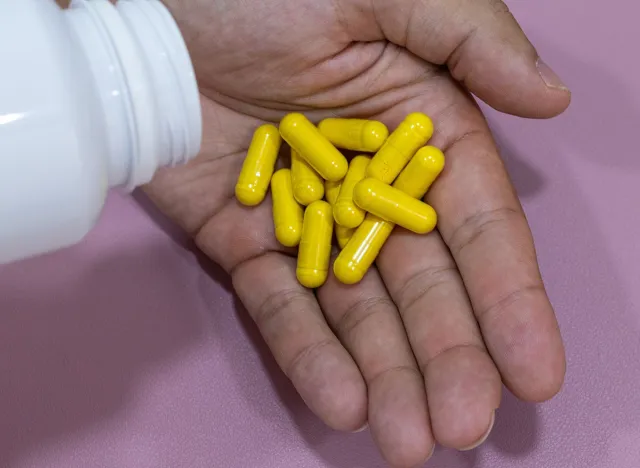
According to Dr. Holmes, high-dose berberine "acts on similar glucose pathways and may compound effects, increasing the risk of hypoglycemia." Berberine lowers blood sugar the same way some diabetes drugs do, so taking both together could drop your blood sugar dangerously low.
OTC Fat Burners or "Metabolism Boosters"

Over-the-counter fat burners—or "metabolism boosters"—are usually stimulant-based.
"They can intensify nausea, worsen anxiety, and counter how GLP-1 medication slows gastric emptying," Dr. Holmes cautions.
Garcinia Cambogia

This tropical fruit extract supplement offers hydroxycitric acid, which has been popularly marketed for suppressing one's appetite—but research shows very mixed results.
"[Garcinia Cambogia] has no conclusive benefit, but may increase serotonin effects and contribute to headaches and GI upset," Dr. Holmes says.
Apple Cider Vinegar Capsules
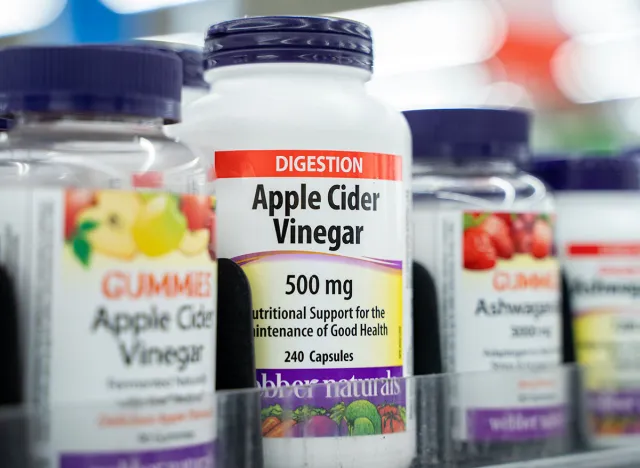
While apple cider vinegar has been touted for its potential health benefits, Dr. Holmes suggests staying away from this supplement when taking a GLP-1.
"Combined with slowed digestion from GLP-1s, they can worsen reflux, nausea, or delay gastric emptying further," she says.
Stacking Ozempic With Fat Burners
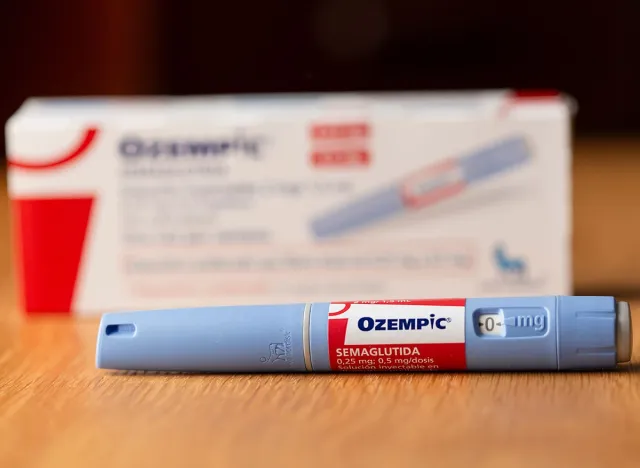
According to Dr. Holmes, she's seen patients—especially younger individuals—stack Ozempic with metabolism boosters, fat burners, and appetite suppressants. She says much of this is due to social media trends and the "more equals faster" mindset. Dr. Holmes strongly warns against this approach.
"Stacking Ozempic with other appetite suppressants or 'shred' products increases the risk of dehydration, dizziness, adrenal stress, and muscle breakdown," Dr. Holmes explains. "It's also incredibly hard on the nervous system. GLP-1s already work on the reward and satiety pathways; to layer them with unregulated substances is like flooring the gas while holding down the brake. You'll burn out."
Safer Dietary Strategies

Dr. Holmes stresses the importance of focusing on your "foundation" before "gimmicks."
- Aim to consume 25 to 30 grams of protein in every meal to preserve lean muscle mass.
- Consider taking magnesium glycinate to alleviate constipation and support better sleep.
- Get your fill of electrolytes—especially sodium and potassium—for hydration on lower appetite days.
- Consider omega-3s for anti-inflammatory support and potential maintenance of lean muscle.
- Focus on "whole meals," even if they're on the smaller side.
"Every bite counts more on a GLP-1. Think quality, not supplements," Dr. Holmes says.
If you're curious about what else GLP-1s can do, check out 5 Surprising Health Benefits of GLP-1 Drugs That Have Nothing to Do With Weight Loss.


