I'm an MD and Here's What Ozempic Actually Does to Your Heart


Ozempic has skyrocketed in popularity—and for good reason. The injectable medication was originally prescribed to treat type 2 diabetes, but it's now being touted as an effective weight-loss tool. However, as with any drug, there are certain pros and cons to consider before committing. For instance, we spoke with a physician who breaks down what Ozempic does to your heart.
How Ozempic Affects Your Heart
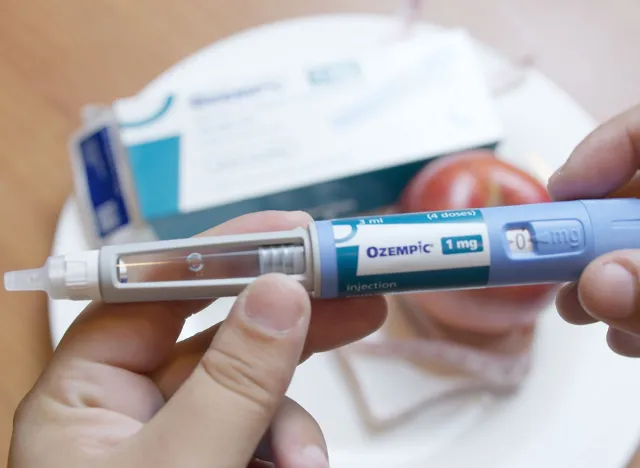
"Ozempic has demonstrated an influence on myocardial function, potentially improving certain parameters like left ventricular function in some patients with heart failure," Dr. Ayesha Bryant, MD, Clinical Advisor at Alpas Wellness in La Plata, MD, explains. "Additionally, its overall vascular benefits include improving endothelial function, which is crucial for healthy blood flow and maintaining the integrity of the arterial lining."
One major misconception about Ozempic is that it only benefits your heart indirectly through weight loss.
Why Ozempic Protects Your Heart

"While weight reduction is a factor, the primary cardioprotective effects of Ozempic are direct, independent actions of the GLP-1 receptor agonist on the cardiovascular system itself. Patients often fail to realize the medication is a therapeutic intervention for the heart and vessels, not just an anti-obesity or anti-diabetic drug," explains Dr. Bryant.
The Benefits for Those With Existing Heart Disease

For individuals with existing cardiovascular disease, the benefits of taking Ozempic are substantial.
"Landmark trials like the SUSTAIN and SELECT studies demonstrated a reduction in major adverse cardiovascular events, including non-fatal heart attack, non-fatal stroke, and cardiovascular death, independent of the magnitude of weight loss or glycemic control," Dr. Bryant tells us.
How Ozempic Helps Lower Blood Pressure

As for blood pressure, taking Ozempic usually causes a modest yet clinically preferable decrease in systolic and diastolic blood pressure.
"This improvement occurs due to the GLP-1 receptor agonist's actions on the kidney and potentially through direct vasodilatory effects on the peripheral vasculature," Dr. Bryant points out.
Patients can also see blood pressure improve early on in their treatment journey—before experiencing significant weight loss.
Reducing Inflammation to Protect Your Heart

If you're curious about inflammation markers linked to heart disease risk, Dr. Bryant assures Ozempic promotes a strong anti-inflammatory effect, which is essential for decreasing cardiovascular risk.
"It has been shown to lower systemic inflammation markers such as C-reactive protein (CRP) and other inflammatory cytokines," Dr. Bryant explains.
If you're wondering what else GLP-1s can do, check out 5 Surprising Health Benefits of GLP-1 Drugs That Have Nothing to Do With Weight Loss.


