5 Foods That Make Ozempic Side Effects Much Worse, According to Doctors

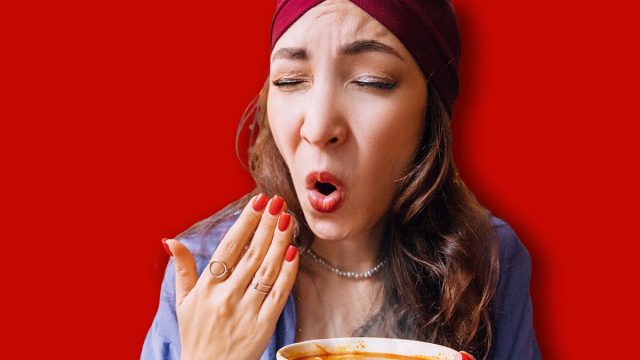
Not only can the food you eat wreak havoc on digestion, but it can also compromise your weight-loss plan. That's right—the meals you prepare may be silently sabotaging your progress. This brings us to several foods and beverages we learned can amplify the side effects of weight-loss drug Ozempic. We spoke with experts who call out these culprits and explain how they can challenge your wellness journey.
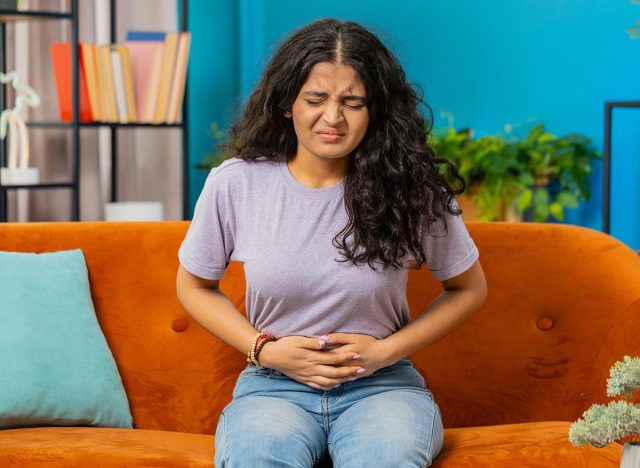
"GLP-1-related side effects can be compared to a clogged drain. If a drain is emptying slowly, the more one adds to the sink, the more it is likely to overflow," explains Dr. Carl V. Crawford, an Assistant Professor of Clinical Medicine and attending gastroenterologist at New York-Presbyterian/Weill Cornell Medical Center. "In this case, an overflowing sink can lead to an individual feeling nauseated and they may actually throw up. If much more is added to the stomach before it is emptied into the intestine, it can lead to abdominal distention or in some cases pain."
If you're struggling with persistent stomach issues, making an appointment with a gastroenterologist should be a top priority. When taking medication while dealing with a compromised or sensitive digestive system—including irritable bowel syndrome (IBS)—a specialist can help you better navigate and manage symptoms.
When used properly, Ozempic can do great things and it can be an excellent weight loss and management tool. Learn how to make the process much more tolerable by avoiding these foods and beverages.
Why Can GLP-1s Cause Digestive Symptoms?
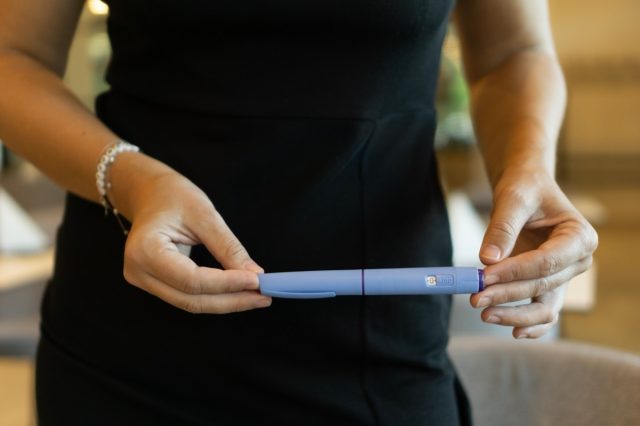
According to Dr. Crawford, weight-loss meds are simply activating your body's natural response post-meal. "Substances that are found in food stimulate the release of GLP-1 that then acts on the GLP-1 receptor. Because Ozempic mimics this, it in turn releases more insulin than usual to control blood sugar but also acts on the entire length of the GI tract to significantly slow down the passage of food through the entire distance," Dr. Crawford explains. "Food and drink will take much longer to move through the stomach, small intestine and colon, making an individual feel full longer or weighed down in addition to losing their appetite."
The good news? You can minimize or avoid these side effects altogether by starting with a lower dose and gradually increasing. This helps your body adapt.
RELATED: How to Save Money and Maximize Results on GLP-1 Medications, According to an Expert
What Makes Certain Foods Trigger or Worsen GLP-1 Side Effects?
There are certain things to keep in mind when reevaluating your diet while taking GLP-1s. For instance, spicy foods and carbonated beverages can make symptoms worse.
"Fats signal the body to slow down gastric emptying to allow for adequate mixing with food and digestive juices. However, it also stimulates acid secretion and relaxes the lower esophageal sphincter making it easier to develop reflux or GERD (gastroesophageal reflux disease)," Dr. Crawford tells us. "This is also why spicy foods worsen symptoms—because they can irritate any inflammation in the esophagus on contact because just like acid they are refluxing back up (two strikes against you). High-fiber foods require more churning in the stomach than liquids or soft foods, but effective propulsion is diminished because of the medication."
RELATED: I'm a Pharmacist and These 3 Supplements Are Non-Negotiables for Anyone on a GLP-1
These Foods and Beverages Make Ozempic Side Effects Worse
While there are many foods that can make GLP-1 symptoms worse, Dr. Crawford says it's best to classify them in groups. These include: high-fiber foods (raw vegetables), fatty foods (butters, cream sauces, oils, and deep-fried foods), carbonated beverages (sodas and beers), spicy foods (peppers, garlics, and salts), and alcohol.
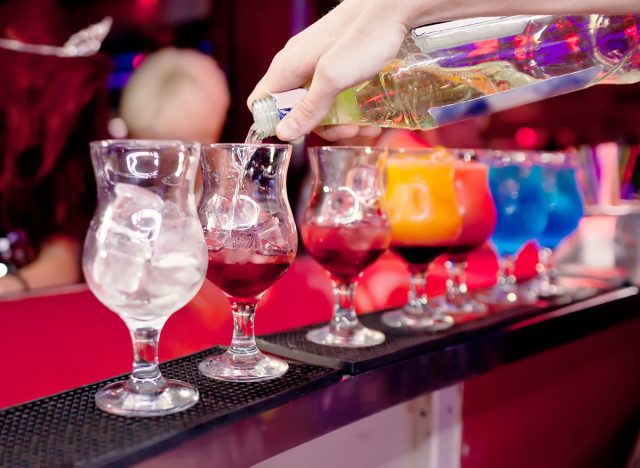
When it comes to alcohol, Dr. Giuseppe Aragona, Medical Practitioner at Prescription Doctor, shares several common culprits to avoid during the holiday season—and beyond.
"Alcohol is a normal part of the festive season for many, and while those on GLP-1 treatments shouldn't miss out on enjoying the season, it's important to avoid excessive consumption or taking it too far," Dr. Aragona explains. "Drinking too much can worsen some of the common GLP-1 side effects like nausea, acid reflux, dizziness and vomiting. It can also increase the risk of low blood sugar, especially for people combining alcohol with a reduced food intake—a natural occurrence as appetite decreases throughout the weight loss journey."
Avoid or limit the below:
- Baileys/Irish Cream Liqueur: High in fat and sugar and heavy on the stomach, which can trigger nausea for anyone on GLP-1s.
- Sweet Cocktails: These include white Russians, espresso martinis, and mulled wine. "Large sugar spikes followed by crashes can worsen dizziness and gastrointestinal symptoms," Dr. Aragona says.
- Beer and Lager: The carbonation and volume can make bloating worse.
- Guinness/Stout: Filling and heavy, which can clash with delayed gastric emptying and decreased appetite.
- Sherry and Port: The high sugar content heightens the risk of blood glucose fluctuations.
- Creamy Festive Cocktails: These include drinks like eggnog and snowballs. "A double hit of fat and alcohol is commonly difficult for GLP-1 users to tolerate," Dr. Aragona explains.
Curious what else GLP-1 drugs can do? Here's 5 Surprising Health Benefits of GLP-1 Drugs That Have Nothing to Do With Weight Loss.


