I'm a Doctor Who Treats GLP-1 Patients and Here Are 3 Blood Tests You Need Before Your Next Refill That Most Patients Skip

When it comes to prescription weight-loss drugs, it's important to know all the facts as you begin your journey. While drugs like Ozempic and Wegovy have fueled many significant weight-loss stories, they also come with serious potential side effects. It's essential to ensure you're prepared before, during, and even after your journey in order to support progress and achieve real results. We spoke with an MD who shares three blood tests you need to get before your next refill.
What Are GLP-1 Receptor Agonists?
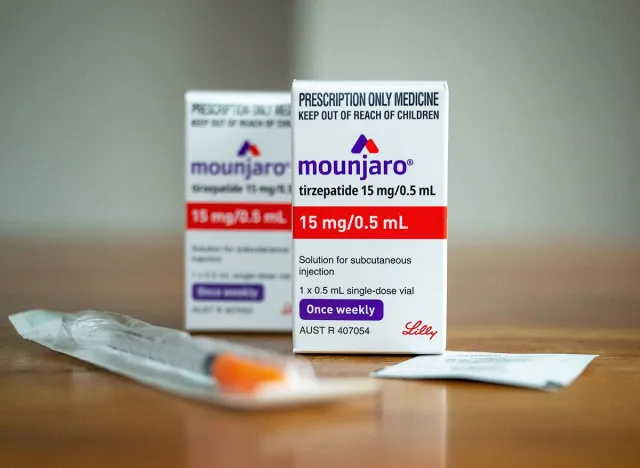
"The GLP-1 receptor agonists are medications that mimic a hormone the body produces in response to food consumption," explains Dr. Blen Tesfu, MD, a Licensed Physician and Medical Advisor at Welzo, who regularly sees patients who take GLP-1 medications in her everyday clinical work. "This hormone is involved in regulating blood sugar levels through stimulation of insulin production and reduction of hepatic glucose production. In addition to their role in stabilising blood sugar levels throughout the day, GLP-1 receptor agonist medications can affect the brain's appetite centres and the GI tract."
By delaying gastric emptying and increasing satiety signals, GLP-1 patients may consume fewer calories over time, resulting in weight loss and a metabolic boost.
Below, Dr. Tesfu breaks down three blood tests she recommends patients complete before their next GLP-1 prescription refill—and why they're important.
Hemoglobin A1C (HbA1C) Test

"One of the main ways that we measure the effectiveness of the medications is by using the Hemoglobin A1C (HbA1C) test," Dr. Tesfu tells us. "The HbA1C test measures your average blood glucose levels for the last two to three months; this gives us an idea of whether the medication(s) you are taking are effectively controlling your glucose levels in the long term."
In addition, these test results will help your healthcare provider determine whether or not your medication dose needs tweaking, or if changes in your treatment plan are necessary.
Comprehensive Metabolic Panel (CMP)

According to Dr. Tesfu, the Comprehensive Metabolic Panel (CMP) offers additional insight on how your kidneys are functioning, electrolyte levels, and liver marker levels.
Fasting Lipid Panel (FLP)
Lastly, a Fasting Lipid Panel (FLP) helps your provider monitor cholesterol and triglyceride levels and determine how they might have changed due to an improved metabolic health.
"These tests provide a more complete picture of how your body is responding to GLP-1 therapy," Dr. Tesfu tells us.
If you're curious about what else GLP-1s can do, check out 5 Surprising Health Benefits of GLP-1 Drugs That Have Nothing to Do With Weight Loss.


