I'm a Doctor Who Prescribes GLP-1s and Here's the One Symptom After 50 That Means You Should Call Immediately


If you're over 50 and find losing weight challenging, you may decide to speak with your medical professional regarding the use of GLP-1 weight-loss drugs. Extra pounds are easy to gain and challenging to lose for several reasons. You naturally lose muscle mass, hormones shift, and metabolism starts to slow down with age. Hence, your body seems to attract fat like a magnet and the calories burn at a snail's pace. Chances are, your activity has decreased, too. The result? The dreaded middle-age spread—ugh.
Many people have been quite successful with GLP-1 prescription drugs. But according to Dr. Blen Tesfu, MD, a Licensed Physician and Medical Advisor at Welzo, there's one side effect you need to be aware of—and call immediately if it should happen to you.
How GLP-1 Drugs Work
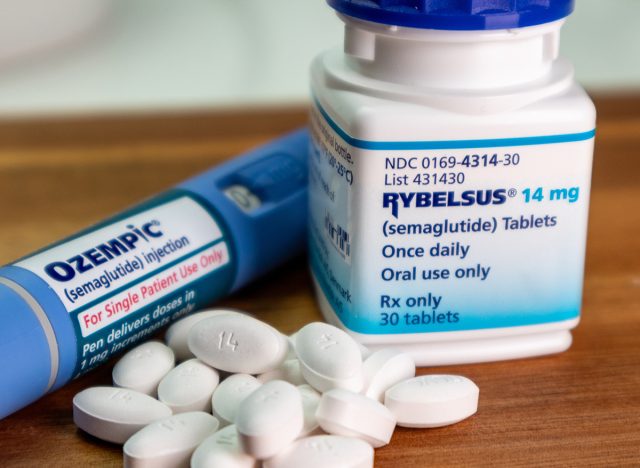
According to Dr. Tesfu, GLP-1 medication works by channeling a hormone that's produced in the digestive system after consuming food. This hormone regulates blood sugar and signals to your pancreas to release insulin into the bloodstream when blood sugar levels rise.
"In addition to telling your pancreas to increase insulin production, GLP-1 medications tell your stomach to take longer to empty food into your small intestine, and it sends messages to your brain indicating that you are full, which will typically lead to eating smaller portions and feeling less hungry," Dr. Tesfu adds. "GLP-1 medications work through two mechanisms to help keep your blood sugar at healthy levels and to provide consistent weight loss."
Common Side Effects of GLP-1s in Older Adults
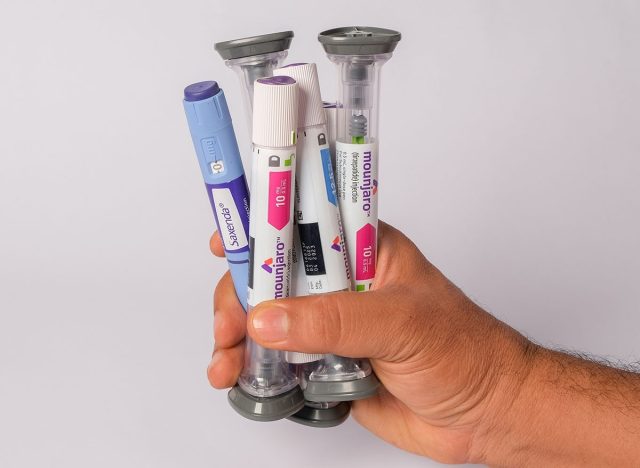
Older adults on GLP-1s may be more susceptible to appetite reduction and changes in hydration. In addition, patients 50+ may unintentionally consume an insufficient amount of food due to decreased hunger. Keeping a nutritious diet and staying hydrated is so important—especially when it comes to minimizing those effects.
"Nausea, mild stomach discomfort, constipation and occasionally mild fatigue are the most common gastrointestinal side effects experienced by patients when they start treatment," Dr. Tesfu says. "These side effects tend to be short-term and will subside once the patient's body has adjusted to the medication."
The One Symptom That Requires Calling Your Doctor Immediately

Severe abdominal pain, which may last for an extended period of time, should always be evaluated by a healthcare professional promptly.
"Severe pain that has not improved or radiates to the patient's back should prompt the patient to contact their health care provider," Dr. Tesfu says. "Medical assessment may be necessary to evaluate whether there may be an underlying condition other than IBS causing the pain."
Pain of this kind rarely points to pancreatitis, an inflamed pancreas. Therefore, it's crucial to speak with your doctor as soon as possible to quickly and safely evaluate your symptoms.
"Rapid evaluation will enable the physician to assess your need for further action," Dr. Tesfu stresses.
Steps to Take If You Notice Concerning Symptoms

First and foremost, speak with your healthcare provider about the symptoms you're experiencing after starting a GLP-1.
"Don't stop using your medication or change your dosage amount without consulting your doctor about it. The doctor will be able to tell if your symptoms are due to the medication," Dr. Tesfu says.
It's also important to track when symptoms start to appear—for example, 30 minutes after eating—in addition to how intense they are. This can help your doctor determine whether changes to your medication are essential.
Keep a Diary

"Additionally, by keeping a diary of what foods you eat, how much you drink (i.e., water intake), and if you have any other symptoms, you'll be providing your doctor with all of the information he/she needs to make educated decisions regarding your treatment," Dr. Tesfu adds.
If you're curious about what else GLP-1s can do, check out 5 Surprising Health Benefits of GLP-1 Drugs That Have Nothing to Do With Weight Loss.


