I'm a Dietitian and These Are 4 Supplements That Help Ozempic Work Faster in Patients Over 50


Consuming a healthy diet is essential for maintaining your overall health and wellness. But many people also take supplements to support bone health, immunity, and energy. This ensures they're covering all their bases and filling any potential nutritional gaps. Did you know there are four supplements that can help Ozempic work faster in patients over 50? We spoke with Amy Davis, RD, LDN, Live Conscious Nutrition Consultant, Media Dietitian, and Content Creator with over 10 years of experience aiding "better-for-you food brands" educate audiences, who shares everything you need to know.
4 Supplements That Help Ozempic Work Faster
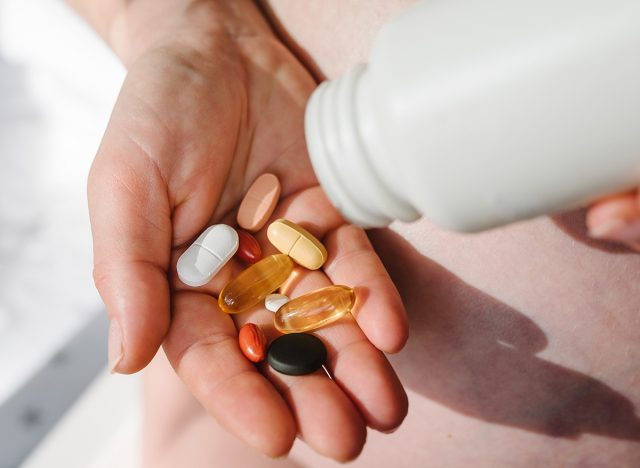
"While there are no supplements that help Ozempic or other GLP-1 drugs work 'faster,' there are supplements that can help support overall health and potentially reduce common symptoms of these weight loss medications," explains Davis. "A combination of GLP-1 medications, smart supplementation, and healthy, sustainable lifestyle habits is key to lasting weight loss and improving health."
RELATED: 5 Daily Exercises That Flatten Apron Belly Faster Than Crunches After 50
Protein Powder
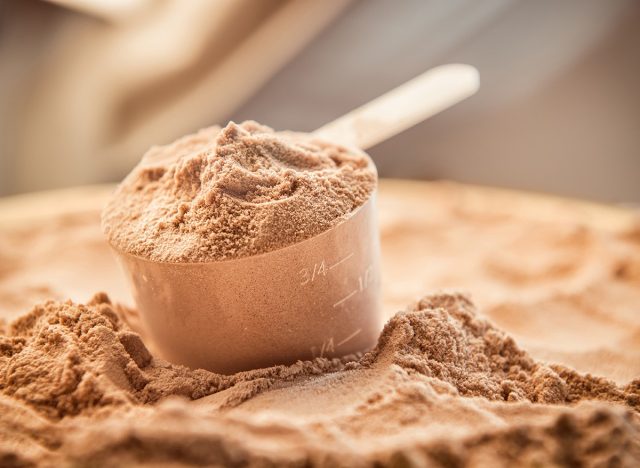
A main goal of anyone who's taking weight-loss medication is building and maintaining as much lean muscle mass as possible. That's where protein powder comes into play.
"A high-quality protein powder can help people reach their daily protein goals when appetite is down," Davis says.
Fiber

Another essential nutrient that may be challenging getting enough of is fiber.
"Fiber helps people stay regular and avoid constipation when food is moving through the system more slowly than usual," Davis tells us.
Multivitamin
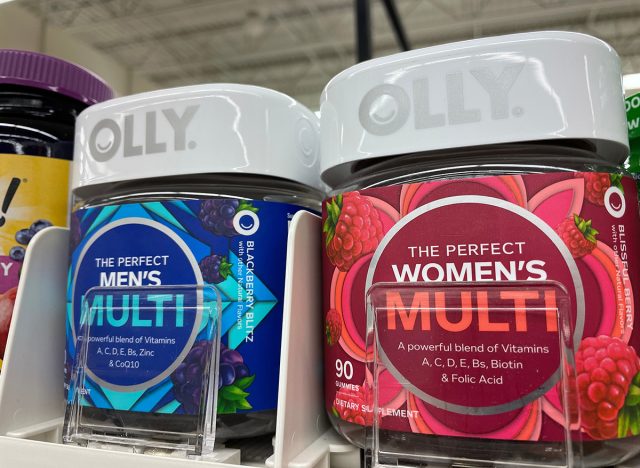
Reduced food intake often means less intake of vitamins and minerals, so taking a quality multivitamin is an excellent way to ensure you're meeting your nutrient needs.
RELATED: If You Can Do This Many Squats After 50, Your Lower-Body Power Is Top 10%
Hair Support

Something you may not consider is taking a supplement to support your hair.
"Many individuals experience hair thinning and loss when on these medications. If protein and nutrition needs are being met, and someone is still experiencing hair loss, a targeted hair growth supplement," Davis explains.
Supplements Those 50+ Should Avoid
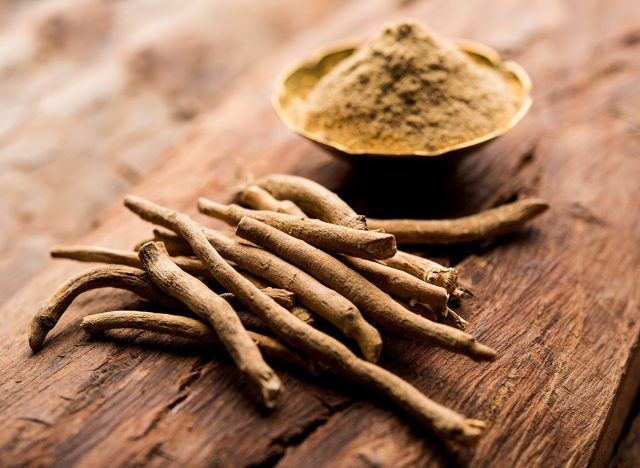
According to Davis, those over 50 who are taking Ozempic or semaglutide should be weary of any supplements that lower blood sugar. This includes ginseng, berberine, and chromium—combining any of these with a GLP-1 can heighten your risk of low blood sugar.
"If constipation is an issue, iron and calcium may worsen this symptom. Lastly, high amounts of caffeine and energy drinks could also exacerbate issues like nausea, reflux, and diarrhea," Davis notes.
RELATED: The 7-Minute Standing Routine That Restores Full-Body Balance After 65, According to a Coach
Addressing Nutrient Deficiencies

According to Davis, nutrient deficiencies can be very common for those on GLP-1s since calorie intake and appetite are both reduced.
"Many adults, especially over 50, can become low in nutrients such as protein, vitamin D, B-vitamins, iron, calcium, and others over time if they are not intentionally making a point to include these nutrients in their everyday eating plans," Davis says. "It's important to proactively monitor and address the status of these nutrients through a multi-pronged approach of nutrition counseling, lab testing, a nutrient-dense eating plan, and targeted supplementation."
To learn more about GLP-1 usage, check out I'm an Obesity Specialist and Here's What Actually Happens to Your Metabolism When You Quit Ozempic.


