I'm a Doctor and Here's Why I Refuse to Prescribe Ozempic to Patients Who Do This One Thing


If you're considering taking GLP-1s to aid your weight-loss efforts, the decision shouldn't be taken lightly. As with any prescription medication, weight-loss drugs come with potential side effects and should be taken under the guidance of a healthcare professional. But first and foremost, it's important to assess if GLP-1s are the right path for you and your body. We spoke with a doctor who shares why he refuses to prescribe Ozempic to patients who do this one thing.
The Mindset That Makes This MD Hesitant To Prescribe Ozempic

If you expect Ozempic to do all the work during your weight-loss journey, GLP-1s likely aren't the best approach for you.
"When someone's not interested in making any dietary or lifestyle modifications and just wants to take Ozempic, that's the scenario where I get most concerned. Ozempic is a powerful tool but works best as a part of a bigger plan. If the patient isn't willing to work towards that goal I would hesitate to prescribe them," explains Dr. Roberto Valledor, MD, Collaborating Physician for Texas-based Nurse Practitioners within Mochi Health's telemedicine platform, overseeing GLP-1–based obesity treatment protocols and ensuring top-notch clinical care.
How Ozempic Works
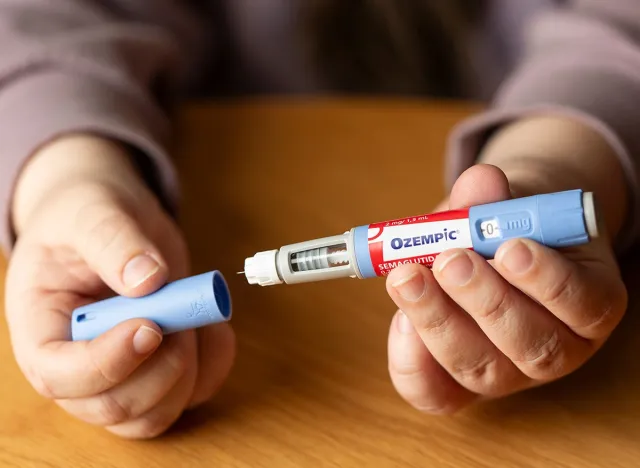
Weight-loss medication like Ozempic impact GLP-1 receptors by delaying gastric emptying and suppressing appetite. This results in fewer calories consumed, and ultimately, weight loss.
"Weight loss itself isn't the end goal—it's everything else that happens. Patients who are only on the medication, and not making any lifestyle changes, are less likely to adopt the lifestyle changes that are going to allow them to sustain the weight loss long term. Plus, side effects are more likely to be perceived as worse if your diet is poor, because the medication slows the emptying of your stomach," Dr. Valledor tells us.
RELATED: 5 Dumbbell Exercises Men Over 55 Should Do Each Morning to Build Muscle
Risks of Weight-Loss Medication
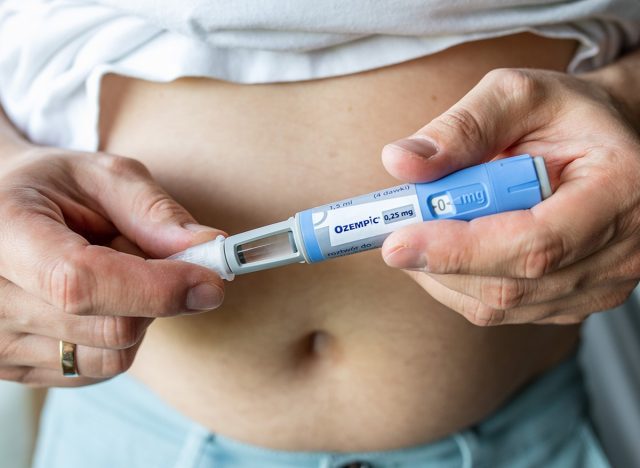
As previously noted, GLP-1s come with their own risks. Ozempic can cause some pretty unsavory side effects, including vomiting and nausea.
"However, these risks are worth taking if the patient is willing to commit to the process. But when the patient is not going to make any changes, you just shrunk that benefit down. You're assuming the same risks for a fraction of the benefit. And I'm not comfortable with that," Dr. Valledor says.
RELATED: 4 Bed Exercises That Tighten Sagging Arm Skin After 55, According to a Trainer
Showing an Interest in Making Certain Lifestyle Adjustments Is Key

Feeling inspired to make healthier lifestyle adjustments is an essential part of the process.
"I'm not looking for perfection. I need to see that they are at least interested in making modifications," Dr. Valledor explains. "If they understand that this is a medication that can be used as an adjunct to other treatments, not the only treatment, and they're willing to work with a team to modify their diet and lifestyle, even a little bit, then we can work together. It's not that they have to already be doing everything correctly; it's that they have to be interested in modifying. That's what I need to see."
If you're looking to learn more about GLP-1s, check out I'm a Dietitian and Here's Exactly What to Eat in a Day to Maximize Your GLP-1 Results.


