I'm a Registered Nurse and Here's What Ozempic Actually Does to Your Blood Pressure After 6 Months

It's always wise to take a medical expert's advice to heart—quite literally. Their expertise in diagnosing, treating, and preventing cardiovascular disease—and overall heart care—is vital for your well-being. If you're considering weight-loss medications such as Ozempic, it's important to understand how these drugs impact your body—not just resulting in a lower number on the scale. Many individuals assume these very powerful GLP-1 medications only affect your digestive system by decreasing hunger and helping you feel fuller. But that's only part of the story.
To help you have a better understanding and bigger picture, we're here with valuable insight from Kelsey Pabst, a Registered Nurse & Medical Reviewer at Cerebral Palsy Center, who shares what Ozempic actually does to your blood pressure after taking it for six months.
What Ozempic Does to Your Blood Pressure After 6 Months
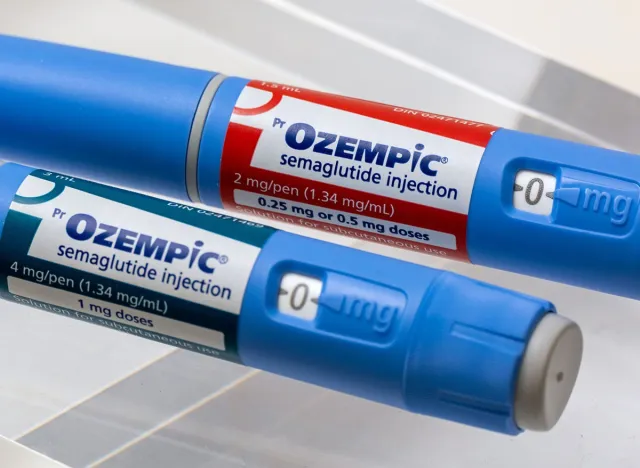
After six months on Ozempic, expect a decrease in blood pressure.
According to Pabst, "Usually, Ozempic decreases blood pressure by an average of 4-6 mmHg systolic and 1-3 mmHg diastolic in most people at six months—especially those who lose between 5% and 10% of their body weight. Even small decreases bring down heart risk. Although not all patients become 'normotensive,' trends are generally positive."
When You Begin To See Noticeable Changes
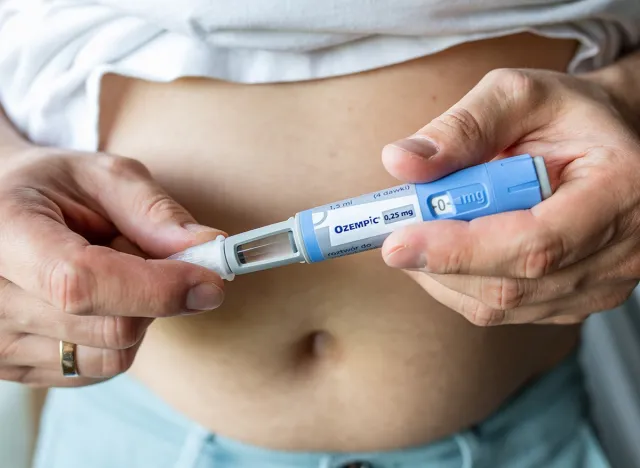
A modest reduction in blood pressure—especially systolic—may be observed at eight to 12 weeks on the medication.
"At months three and four, more consistent improvements are observed, coinciding with dose escalation and fat loss," Pabst explains. "It is reasonable not to see any change in the initial first two weeks."
Changes in Blood Pressure Are Individualized
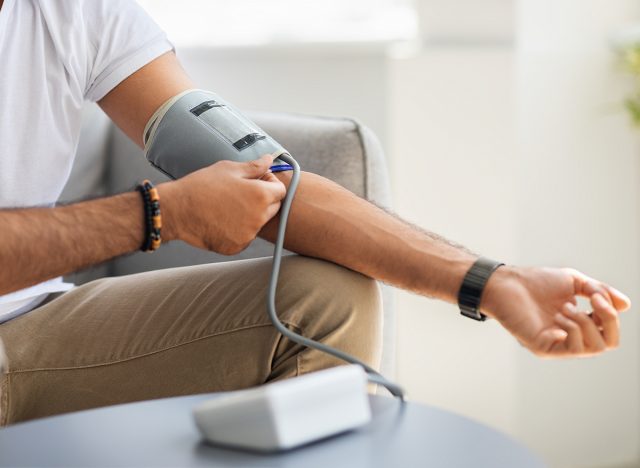
Pabst says these changes are "highly individualized," adding, "I find that patients who are obese, insulin resistant (give or take a little bit of water retention) have large declines, while those that don't gain much weight (or are well managed) have little change."
Many factors come into play, such as diet, baseline medications, and genetics.
How Often To Monitor Your Blood Pressure
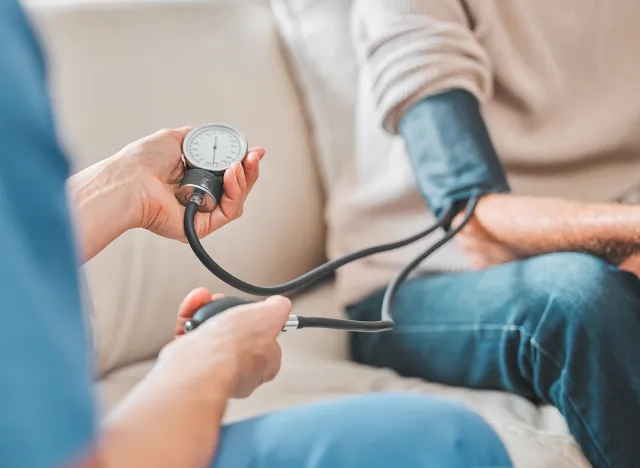
Pabst recommends taking your blood pressure at home two to three times each week at the same time—when you're rested, sitting down, etc.
"Monitor for hypotension or blood pressure less than 100 systolic, particularly following dose escalation," Pabst says. "Dose reductions of medication are often required at months three to six."
If you're curious about what else GLP-1s can do, check out 5 Surprising Health Benefits of GLP-1 Drugs That Have Nothing to Do With Weight Loss.


