I'm a Pharmacist and Here's What Happens to Your Body When You Mix Alcohol With GLP‑1s This Holiday Season

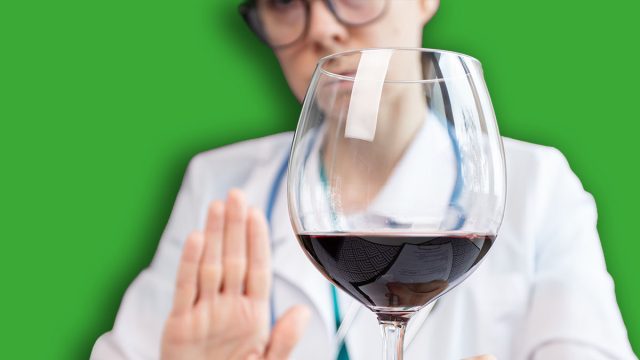
Drinking alcohol while taking prescription medication can put you at serious health risks. That's why it's critical to educate yourself not only on what your prescription drugs can do, but also the warning signs and interactions that are associated with them. Research shows that close to 12% of Americans have used GLP-1 meds to lose weight. As these drugs continue to gain popularity, it's important to learn how safe they are—especially when it comes to drinking alcohol.
With the holiday season in full swing, we spoke with Abbas Kanani, Superintendent Pharmacist with Chemist Click, who shares what happens to your body when alcohol and a GLP-1 are taken together.
What Happens to Your Body When You Consume Alcohol on a GLP-1
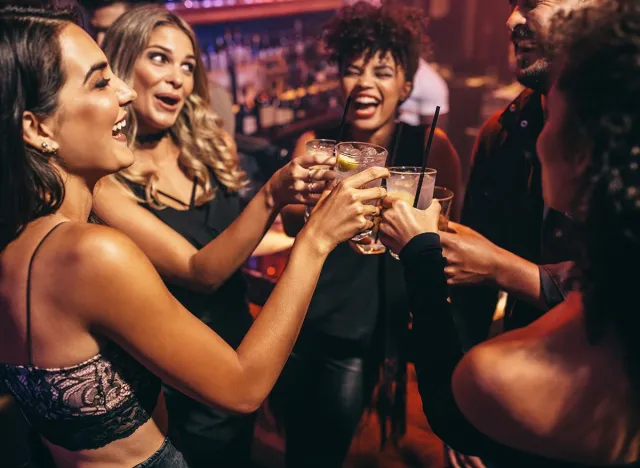
Before you raise your glass to toast this holiday season, it's essential to understand all the facts.
According to Kanani, "Alcohol can worsen common side effects like nausea and dehydration, as well as add extra calories that may slow weight loss, increase food cravings, and affect blood sugar levels."
GLP-1s Change the Way Alcohol Is Absorbed
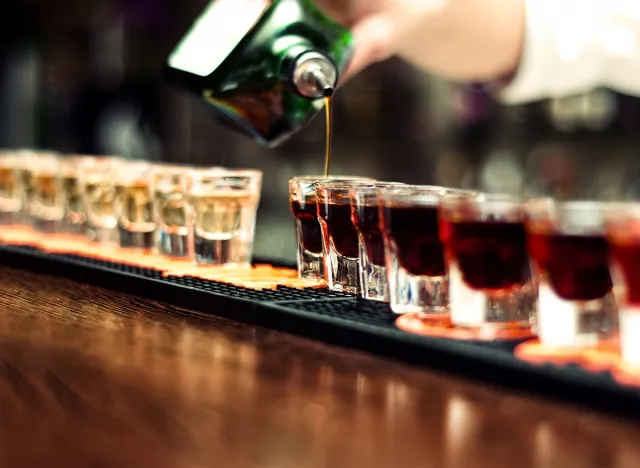
GLP-1 meds slow digestion, which can change the way alcohol is absorbed by the body.
"Normally, alcohol is absorbed quickly through the stomach and small intestine. However, GLP-1 slows gastric emptying, so alcohol may stay in the stomach longer, which can cause slower absorption and potentially stronger effects as it is gradually released into the bloodstream," Kanani explains. "This can leave drinkers feeling intoxicated more quickly or experiencing prolonged effects from alcohol. Alcohol can also irritate the stomach lining and combining it with slowed digestion may increase the risk of nausea or digestive discomfort."
Some Alcoholic Beverages Are Worse Than Others
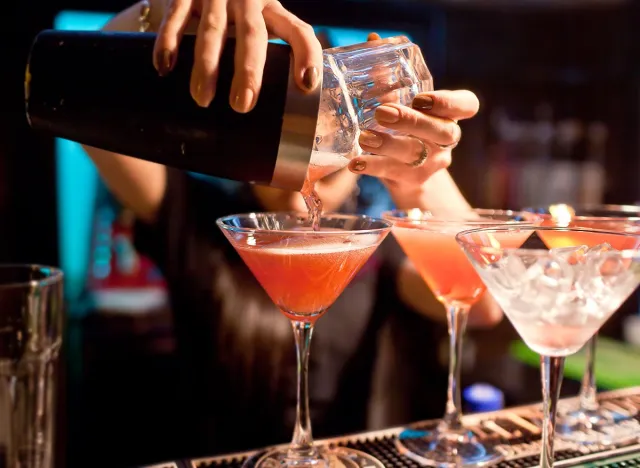
Not all alcoholic beverages are created equal. In fact, some drinks are worse than others because of how they interact with a slow-down digestive system.
"For example, sweet cocktails, liqueurs, and dessert wines are all high in sugar, which can make food stay in the stomach for longer and trigger nausea or diarrhea," Kanani tells us. "Beer, prosecco, and champagne are carbonated, which adds gas and pressure in the stomach, increasing how bloated you feel and reflux issues when digestion is already slowed. Strong spirits can cause irritation to the lining of your stomach and may be absorbed more unpredictably, making their effects feel stronger or last longer."
How Hydration Status Affects How Well Someone Tolerates Alcohol on a GLP-1
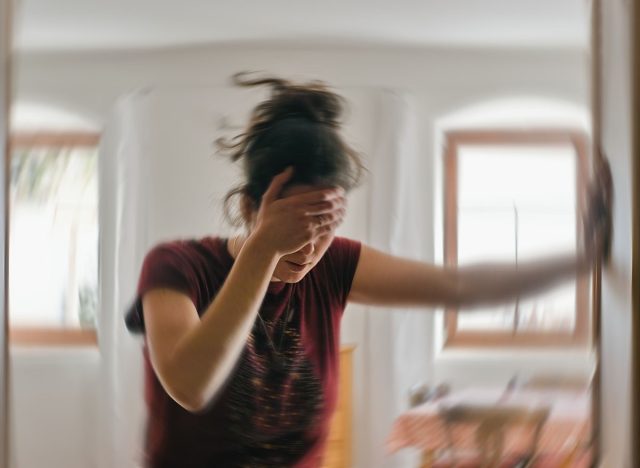
GLP-1s can lessen thirst while slowing digestion, which makes is easy to become mildly dehydrated.
"Alcohol is also dehydrating, so if you're already low on fluids, you're more likely to feel dizziness, headaches, nausea, and fatigue," Kanani tells us. "Dehydration can also increase the risk of diarrhea or vomiting."
You don't have to give up alcohol cold-turkey during the holidays, but moderation is key.
"Drink slowly, eat beforehand, and always listen to your body. If you are unsure how alcohol affects you on this medication, speak with your pharmacist or prescriber before drinking," Kanani adds.
If you're wondering what else GLP-1s can do, check out the 5 Surprising Health Benefits of GLP-1 Drugs That Have Nothing to Do With Weight Loss.


