I'm an Obesity Specialist and Here's What Actually Happens to Your Metabolism When You Quit Ozempic

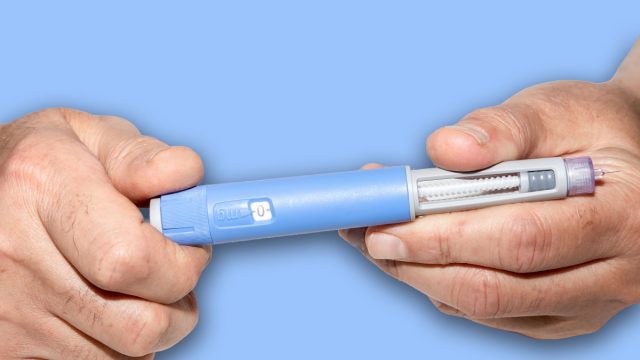
Metabolism is a complex process. It helps your body function—including digestion and breathing. Your metabolism does so much more than burn calories. Everyone's metabolism is unique and influenced by so many factors, including gender, genetics, and age. If you're planning to use a GLP-1 medication like Ozempic for weight loss, then it's important to understand this process in more depth.
Dr. Bronwyn Holmes, M.D., Medical Advisory Board at metabolic health platform Eden, is an obesity specialist who breaks down what actually happens to your metabolism after stopping Ozempic.
How Ozempic Works
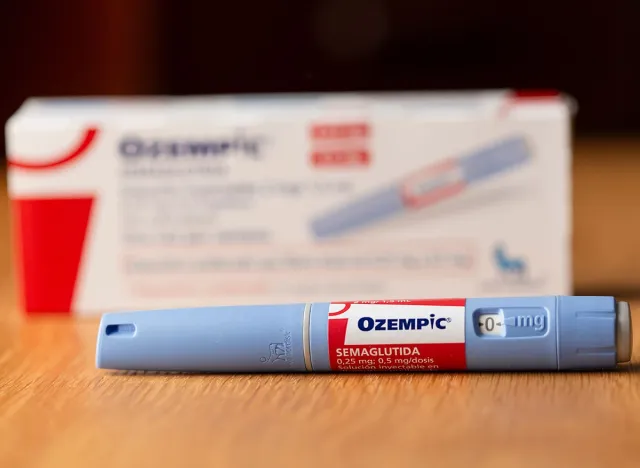
Ozempic is one of the brand names for semaglutide, a GLP-1 receptor agonist, explains Dr. Holmes.
"GLP-1 is a hormone signal involved in appetite regulation, stomach emptying, and insulin secretion. In practical terms, semaglutide tends to reduce hunger and cravings, increase fullness, and slow gastric emptying, which can lower overall calorie intake. It also improves glucose regulation in people with type-2 diabetes," she adds.
While the FDA approved Ozempic to help treat type-2 diabetes, it has not been specifically approved for weight loss.
"Use outside FDA-approved indications is considered off label and should be discussed with a licensed healthcare provider," Dr. Holmes tells us.
How Discontinuing Ozempic Impacts Metabolism

Most of the physiological shifts that promoted weight loss while taking Ozempic will start to fade during the weeks and months after discontinuing the medication—including satiety and appetite.
"Many people experience a return of hunger signals, more frequent thoughts about food, and an easier time eating past fullness. Gastric emptying typically returns toward baseline, so meals may feel less filling compared to when on therapy," Dr. Holmes says.
Recognizing That Obesity Is a Chronic Condition

It's important to remember that obesity is not an issue of willpower—it's a "chronic, relapsing condition" that's majorly impacted by neurohormonal signaling.
"When weight decreases, the body often responds with adaptive mechanisms that push weight back up, including higher appetite signaling and, in some people, modest reductions in energy expenditure," Dr. Holmes tells us.
Weight Regain After Discontinuing GLP-1 Use

For the majority of patients, weight regain after discontinuing Ozempic is mainly driven by shifts in appetite regulation and reverting to old eating habits rather than a "dramatic metabolic crash."
"Resting metabolic rate can decline with weight loss in general, regardless of whether weight loss came from lifestyle change, surgery, or medication," Dr. Holmes explains. "That is partly because a smaller body requires fewer calories to maintain, and partly because of adaptive thermogenesis, which is a modest downshift in energy expenditure beyond what you would predict from size alone. The magnitude varies by person, and it is usually not the main driver compared with appetite returning and high calorie foods becoming more reinforcing again."
How To Maintain Weight Loss After Stopping Therapy

If you're looking to maintain your new weight for the long-term, it's important to make certain sustainable lifestyle adjustments.
"When someone plans to stop therapy, I encourage a thoughtful transition plan with a licensed provider, because maintenance is its own phase of care. The most helpful strategies tend to be multi-layer, combining nutrition, movement, sleep, stress, and behavioral support," Dr. Holmes says.
Preserve Muscle Mass via Strength Training

As you lose weight, you lose lean muscle mass and strength as well. Dr. Holmes recommends performing progressive resistance training two to four times a week to promote solid metabolic health and weight management.
"Muscle helps maintain resting energy expenditure and improves insulin sensitivity. Adequate protein and total calories that are not overly restrictive also matter for lean mass," Dr. Holmes says.
Adopt Eating Habits That Promote Satiety

Promoting satiety is the name of the game, and you can do this by making smart food choices.
"Prioritize protein, fiber, and minimally processed foods, and structure meals so people are not relying on hunger as their only guide. In practice, that can mean a protein-forward breakfast, a planned afternoon snack if evenings are a trigger time, and a home environment that makes the default choice the easiest choice," Dr. Holmes shares.
Get Solid Sleep and Manage Your Stress

Getting quality rest can play a key role in weight-loss and management efforts. It's also important to have productive stress-management techniques at your fingertips.
"Short sleep increases hunger signaling and cravings for energy dense foods. Stress can do the same, and it can also reduce follow through. Sleep regularity, treatment of sleep apnea when present, and practical stress tools all help," Dr. Holmes explains.
If you're curious about what else GLP-1s can do, check out 5 Surprising Health Benefits of GLP-1 Drugs That Have Nothing to Do With Weight Loss.


