I'm an Endocrinologist and This One Metabolic Change on GLP-1s Surprised Even Me


If you're considering whether or not GLP-1 injections are right for you, it's always wise to seek the advice of a medical professional. These injections—such as Ozempic, Wegovy, and Mounjaro—significantly influence hormones in your body, so speaking with an endocrinologist makes perfect sense. After all, endocrinologists specialize in conditions pertaining to hormones—and how these hormones impact your body.
GLP-1 injections imitate a natural hormone in your body, GLP-1. How so? They help regulate blood sugar by giving your insulin a boost and lowering glucagon—and your appetite.
We spoke with Dr. Holly Wyatt, physician, endocrinologist and author of Losing the Weight Loss Meds: A 10-Week Playbook for Stopping GLP-1 Medications Without Regaining the Weight, who shares the one metabolic change you'll experience when taking GLP-1s that surprised her—and may surprise you as well.
The One Metabolic Change on GLP-1s That Surprised an Endocrinologist
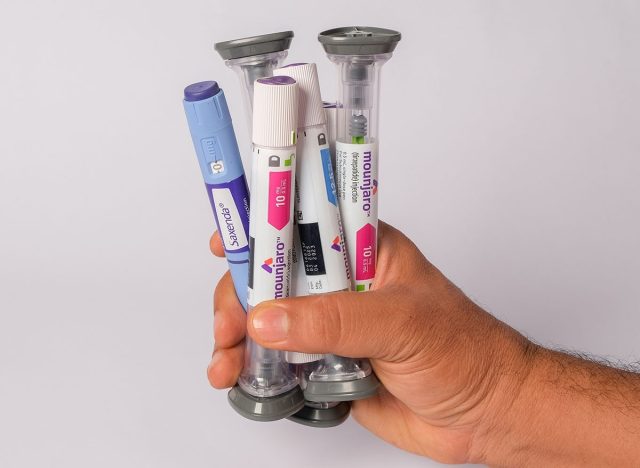
After 25 years researching metabolism, what surprised Dr. Wyatt the most about GLP-1s is how significantly they can "quiet food noise."
"I have spent my whole career helping people deal with hunger and cravings and thoughts about food and seeing those thoughts decrease so quickly and powerfully was something I didn't expect a medicine to be able to do," Dr. Wyatt tells us. "It also allowed many patients for the first time to become aware of these thoughts and how they were playing a big role in their eating behaviors."
According to Dr. Wyatt, GLP-1s allow experts to observe the biology behind them in real time—for the very first time.
"It helped reveal how powerful these pathways are," she says.
RELATED: 5 Natural Ozempic Alternatives That Torch Fat, According to a Metabolism Expert
What Happens to Metabolism When You Go off GLP-1s

Keep in mind that weight loss and management is a long-term effort. After achieving your goal weight and weaning off of GLP-1s, it's common to experience rebound weight gain if you aren't consistent with healthy lifestyle habits, such as regular strength training and consuming a nutritious, high-protein diet.
"We would not expect [the effects] to 'last' if the medication is not on board," Dr. Wyatt says. "Turing off your appetite permanently might NOT be a good thing."
When you go off of weight-loss drugs like Ozempic, your appetite, cravings, hunger, and all the food noise returns to where it was before you started taking the medication.
"The key is that if you need to stop the medication, you need to be strategic and intentional about replacing its effects," Dr. Wyatt stresses. "You need new strategies and behaviors that can reset your appetite. If you do not do this, you will regain the weight."
Some individuals are more sensitive to appetite hormones than others.
"We see this clearly in a weight gain profile we call the nonstop food seekers," Dr. Wyatt points out. "There is a lot of biological variability and lots of reasons why different people gain weight and respond differently to these medications."
RELATED: I'm a Pharmacist and These 3 Supplements Are Non-Negotiables for Anyone on a GLP-1
Actionable Tips To Safeguard Your Weight-Loss Progress

Losing weight takes a ton of hard work and effort. To protect your progress, Dr. Wyatt offers some actionable advice.
"Begin with the end in mind. Have a plan in place of what you will replace the weight loss medications with when you stop," Dr. Wyatt says. "Not having a plan is really having a plan to regain. You can replace the weight loss medication with new food habits that mimic the way the drugs work, physical activity that can help restore your metabolism and a new mindstate that can help you handle stress and engage in life without turning to food."


