I'm a Doctor Who Prescribes GLP-1s and Here Are 4 Foods That Maximize Your Results

Plain and simple, you are what you eat. In fact, everything you put into your body can significantly impact your overall well-being. It's essential to make wise choices and educate yourself. This is also true when it comes to medication. Prescription drugs can be influenced by certain foods—and not always in a good way. What you eat can change how your body absorbs, metabolizes, and even eliminates medication, potentially compromising their effectiveness and causing unpleasant side effects. In some cases, there are foods that can be quite beneficial.
If you're taking a GLP-1, there are foods you'll want to know about adding to your diet. We spoke with Dr. Ehsan Ali, The Beverly Hills Concierge Doctor, board-certified in internal medicine with advanced fellowship training in geriatric medicine, who shares four of them that will maximize your results.
Why What You Eat Matters on a GLP-1
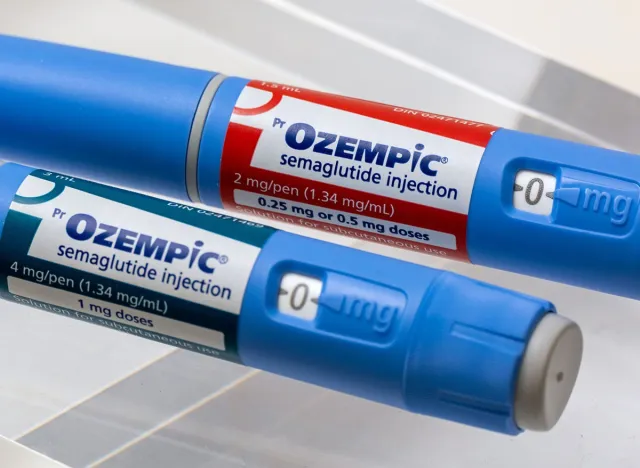
"GLP-1s do a powerful job of quieting appetite and slowing digestion, but food choices still matter a lot. I tell patients the medication sets the stage, but food determines how well the story plays out," explains Dr. Ali. "The right foods help stabilize blood sugar, protect muscle, reduce side effects like nausea, and make the weight loss feel steadier instead of rocky. The wrong foods—think ultra-processed, low-protein, sugar-heavy—can actually make people feel worse on these meds and stall progress."
A Few Eating Habits To Keep in Mind
GLP-1s are effective for weight loss, because they slow down gastric emptying and speed up signals to your brain, fooling it to think you are full. Eating protein, fiber, and meals that are well-balanced will help you feel fuller for longer, and also help you feel more comfortable.
One caveat? "Eating smaller portions, prioritizing protein first, spacing meals evenly, and avoiding grazing all day makes a big difference," Dr. Ali warns.
Dr. Ali also recommends eating slower, and stopping ahead of feeling too full. Keep in mind that highly processed foods can cause nausea, fatigue, and/or bloating.
Lastly, meal timing matters more than you'd think!
"Skipping meals entirely can worsen nausea and lead to protein shortfalls. I usually recommend a protein-forward breakfast, a balanced lunch, and a lighter dinner, with optional small protein snacks if needed," Dr. Ali explains. "Eating too late at night, especially heavy or fatty meals, often increases reflux or discomfort on GLP-1s. Regular, predictable meals help the medication work with the body instead of against it."
4 Foods That Maximize Your GLP-1 Weight-Loss Results
Lean Protein
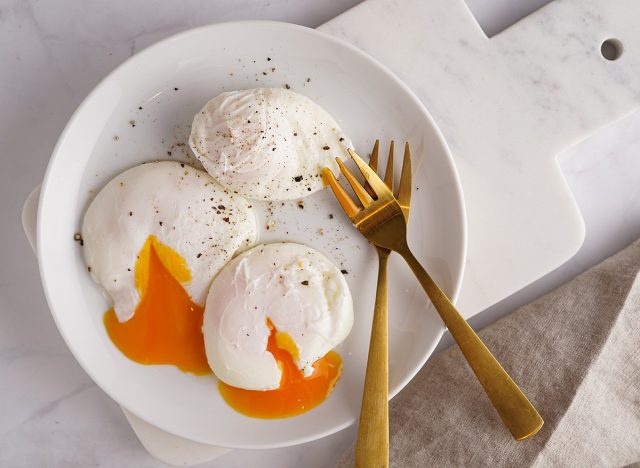
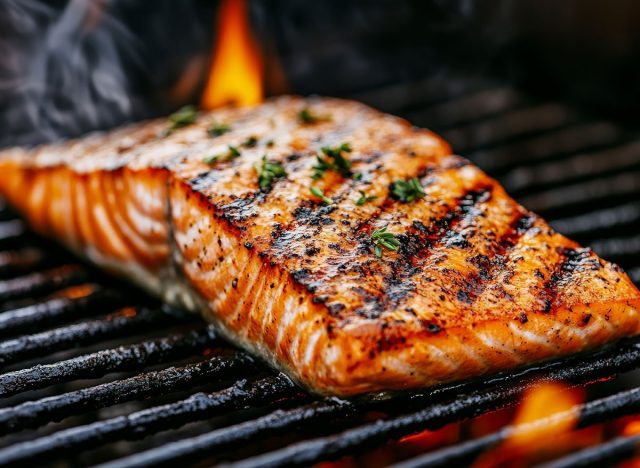
Stock up on lean protein for your meals. This includes eggs, chicken, fish, Greek yogurt, and tofu.
"Protein is non-negotiable on GLP-1s because appetite is lower, and muscle loss is a real risk if protein intake drops too much," Dr. Ali says.
Fiber-Rich Vegetables
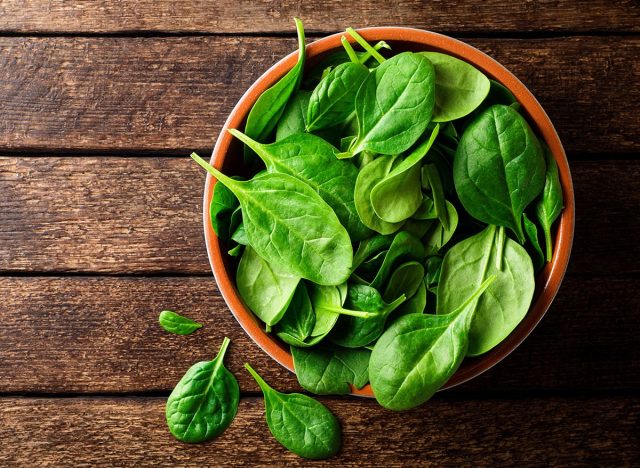
Fiber-rich vegetables are excellent choices. Opt for cooked veggies, such as spinach, zucchini, or roasted carrots.
"They're easier on the stomach and help keep digestion moving without spiking blood sugar," Dr. Ali notes.
Healthy Fats
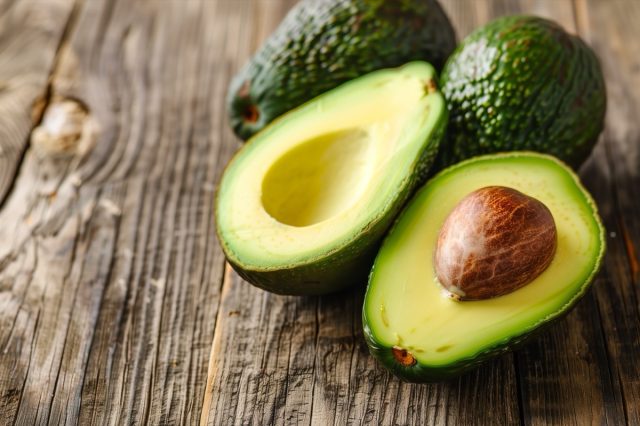
Consume small portions of healthy fats, such as nuts, avocado, and olive oil.
"They improve satiety and help meals feel complete without overwhelming the gut," Dr. Ali tells us.
Low-Glycemic Carbs
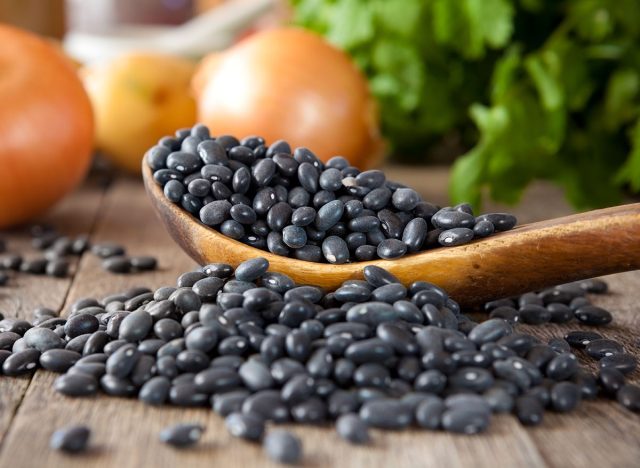
Low-glycemic carbs include quinoa, beans, and lentils.
"These provide energy and fiber without triggering the blood sugar swings that can lead to fatigue or cravings later," Dr. Ali advises.
If you're heading to the grocery store and need further inspiration, check out Nutritionist Reveals The 10-Second Hack To Find Hidden Protein Foods.


