I'm an MD and These 4 Common Ozempic Mistakes Are Sabotaging Your Weight Loss


A successful weight-loss journey requires hard work, commitment, and just the right game plan for your body. That said, if you're taking GLP-1s, there are certain Ozempic mistakes that can totally sabotage your hard-earned weight-loss efforts—and should be avoided at all costs. We spoke with a doctor who calls out these mishaps so you know exactly what to steer clear of.
Below, Dr. Bronwyn Holmes, MD, member of Eden's Medical Advisory Board, breaks down some of the most common errors patients make while on Ozempic or GLP-1s.
Believing Glp-1s Will Address All of Your Weight-Loss Needs
"GLP-1 medications deliver results, but users should understand their limitations," Dr. Holmes tells us.
Keep in mind that GLP-1s are just one part of a well-rounded treatment regimen rather than a standalone solution.
RELATED: 4 Things You Need to Know Before Quitting Ozempic, Says an Obesity Expert
Not Consuming Sufficient Protein
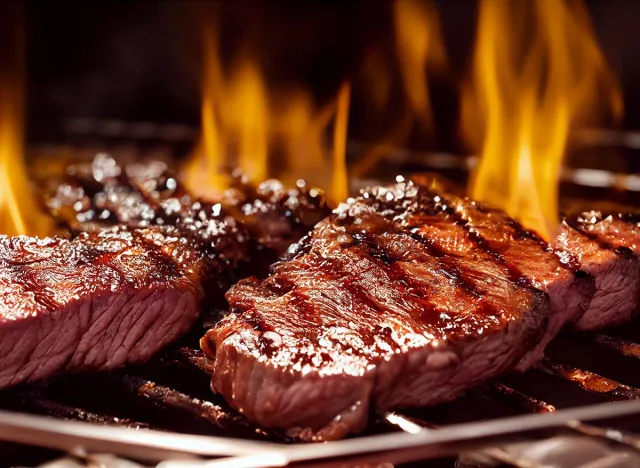
Getting your fill of protein—and performing regular resistance training—while on a weight-loss journey is essential for building and maintaining muscle mass.
"Weight loss that does not protect muscle mass leads to a decreased metabolism, which makes weight regain simpler. The fastest way to lose muscle mass occurs when people consume insufficient protein and fail to perform strength exercises," Dr. Holmes stresses.
Aim to consume 30 to 40 grams of protein for each meal. In addition, Dr. Holmes recommends strength training two to three times a week for 20 minutes per session.
RELATED: 5 Body Changes Doctor Warns Happen When Patients Stop Taking Ozempic
Taking High Doses Too Quickly
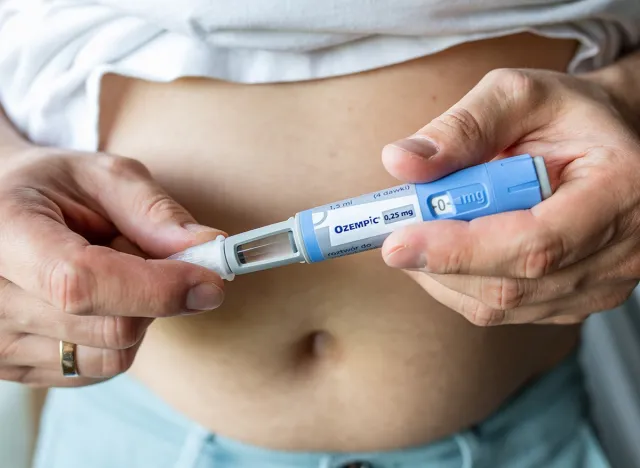
"The initiation of high medication doses at too fast a pace results in nausea and reflux, and fatigue, which drives patients to stop their treatment," Dr. Holmes explains.
Following Old Eating Habits
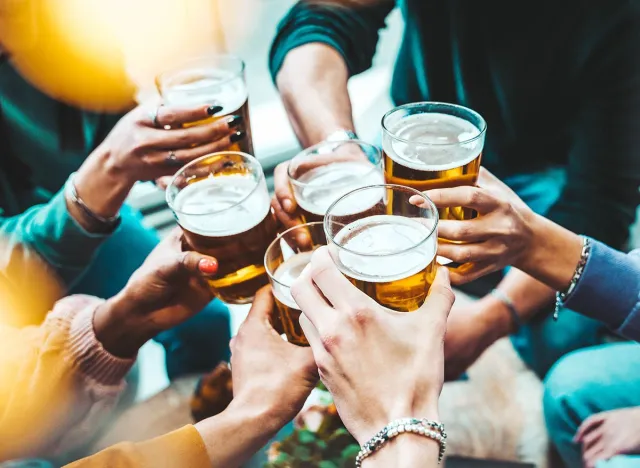
Grazing and skipping meals while consuming alcohol at the same time is a major no-no. According to Dr. Holmes, this can throw appetite signals off balance, which slows down progress.
"The return of alcohol consumption and irregular eating patterns leads to inflammation and blood sugar spikes, which neutralize the weight loss benefits of these medications," Dr. Holmes adds.
RELATED: I'm an Obesity MD and Here's What Really Happens to Your Muscles After 6 Months on Ozempic
Differences Between How Men vs. Women Experience These Mishaps

Dr. Holmes notes that women typically experience more noticeable changes in appetite and insulin sensitivity. Things like perimenopause, menstrual cycles, and thyroid hormone differences can make under-fueling a more serious issue.
"Women [also] face a higher risk of losing lean body mass when they do not purposefully consume enough protein," Dr. Holmes explains. "Men experience weight loss at a faster rate, but they fail to recognize their need for sufficient strength training to preserve their metabolic function during fat loss. Women experience more dose-related gastrointestinal symptoms than men do."
RELATED: I'm a Pharmacist and These 3 Supplements Are Non-Negotiables for Anyone on a GLP-1
How To Address These Mistakes
The good news? These common errors can be addressed head-on so you continue to experience solid progress and results.
"The quickest solutions for improvement include modifying medication doses and establishing regular eating times and drinking enough water, and reaching daily protein goals, which usually bring positive changes within a few days," Dr. Holmes tells us. "The protection of muscle mass requires patients to maintain resistance training and consume sufficient calories throughout an extended period. The process of fixing micronutrient deficiencies and hormone management, and appetite cue retraining takes time but produces complete changes in treatment outcomes."


