I'm an Obesity Med Specialist and Here Are 5 Things I Wish You Knew Before Your First Dose


So many individuals are jumping on the weight-loss bandwagon. Popular GLP-1 injections like Wegovy, Ozempic, and Mounjaro—which were originally formulated to treat individuals with diabetes are the most popular kids on the block right now. They magically reduce your appetite, helping you feel fuller faster—and the feeling lasts, so you're satisfied with smaller portions. It's easy to see why these seemingly "magical potions" are desired, as they can result in significant weight loss. We spoke with an expert who shares five things he wants you to know before you decide to take your first dose.
With every upside, there is most always a downside that comes with it. These powerful drugs can also present significant side effects, which is why it's necessary to educate yourself and seek the guidance and supervision of your medical professional so you can take them safely to achieve the best results.
"Patients think it's a 'magic shot' that works instantly and all by itself. In reality, these are appetite regulators that make lifestyle changes easier—not a standalone solution," explains Dr. Fernando Ovalle Jr., double board-certified plastic surgeon and obesity medicine specialist. "You still need attention to nutrition, activity, and behavioral habits for sustainable results."
5 Things to Know Before Your First GLP-1 Dose
Here are five things Dr. Ovalle Jr. wants you to know so you can have a better understanding of the risks and what to expect with your weight-loss journey.
Your Intestines Can Be in for Several Side Effects

Weight-loss injections have a big job, which is to slow down your digestive system. This is what helps you feel satiated for longer periods of time. As you can imagine, there are intestinal side effects you will experience, and they're totally normal.
"Initially expect nausea, constipation, and stomach changes. They usually improve within weeks," Dr. Ovalle Jr. says. "Smaller portions, avoiding fatty foods, and staying hydrated help significantly."
Your Relationship With Food Will Change

One of the jobs of GLPL-1 injections is to help lower "food noise." According to Dr. Ovalle Jr., they reduce your brain's yearning for hunger. All of these things will contribute to changes in your relationship with food. In fact, many patients develop an indifference to food and feel full very quickly.
Small Steps in the Journey Are Key
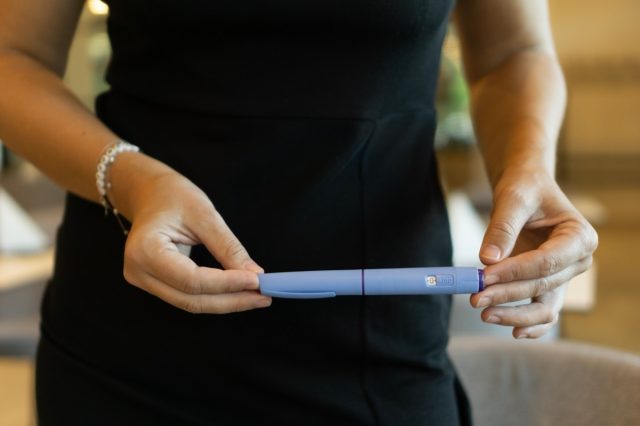
The entire process of taking weight-loss drugs can be psychologically harsh, most especially if food has been an emotional or social habit for you. Being prepared for this adjustment is key.
Dr. Ovalle Jr.'s advice? "Titration is so important! Starting low and increasing slowly prevents severe side effects. Rushing the process only makes you miserable without better results."
Protein Is About To Be Your Newest Best Friend
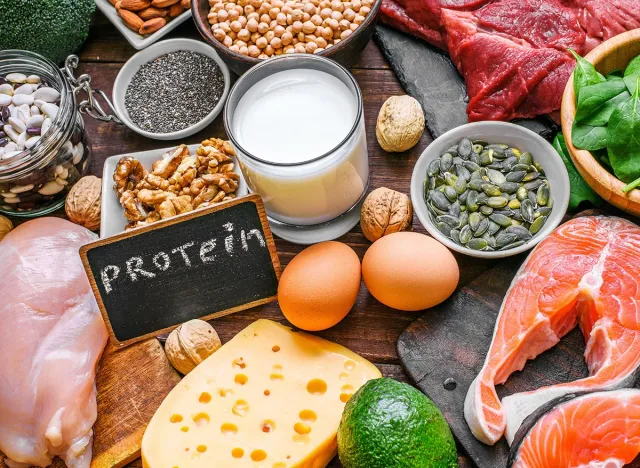
When eating less, it's essential to make smart food choices. One food group that's about to be your newest best friend is protein. As with any weight-loss regimen, it's common to lose muscle. Preserving muscle is a must.
"Protein becomes critical: With reduced appetite, you may struggle to meet nutritional needs," warns Dr. Ovalle Jr. "Prioritize 60-100g protein daily to preserve muscle mass during weight loss.
Plan for the Long Haul
Know going into your journey that it's perfectly normal for your weight loss to slow down over time.
"Dramatic initial losses taper to one to two pounds weekly," explains Dr. Ovalle Jr. "This doesn't mean it stopped working; it's healthy, sustainable weight loss."
It's critical to plan over the long run. "Most patients regain weight after stopping. This is chronic disease management, like blood pressure medication. Consider the long-term commitment and cost," Dr. Ovalle Jr. explains.
If you're wondering what else GLP-1s can do, check out the 5 Surprising Health Benefits of GLP-1 Drugs That Have Nothing to Do With Weight Loss.


