I'm a Dietitian and This Is How to Get the Ozempic Effect Naturally With These 9 Foods

Dietitians are a wealth of knowledge when it comes to weight loss. This specialist can curate an eating plan based on science to help you form healthy habits and provide advice with your profile, lifestyle, and goals in mind.
Let's face it: There's no one-size-fits-all plan to weight loss. Everyone has their own unique medical history, lifestyle, budget, habits, and preferences. Learning why specific foods work, what food labels mean, healthy portion sizes is quite effective when it comes to being successful.
If you've decided to take Ozempic, we wish you great success. But for those who are in that "I want to lose weight without taking Ozempic" mindset, you guessed it: A dietitian's advice is golden. That's why we chatted about how to get the Ozempic effect naturally, and are here with nine foods that can do the job.
How Food Can Mimic Certain Appetite-Suppressing Effects
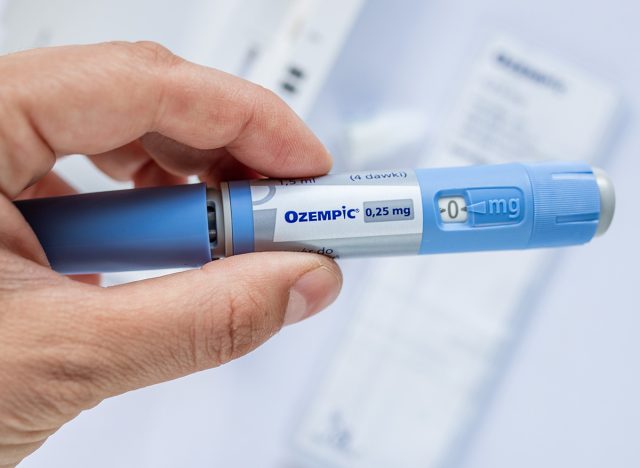
"The digestive rate, blood glucose levels, and hormones that signal the stomach are all regulated by food intake as well. The result is feeling full longer and being less likely to eat in between meals or snacks throughout the day," explains Dr. Kezia Joy, RDN and Medical Advisor with Welzo. "Although the drugs have a pharmaceutical mechanism of action, there are certain foods that can bring about a very similar outcome through increased feelings of satisfaction and reduced hunger swings. However, it typically takes some time and consistency of diet to bring about this result."
As time passes, your body can develop improved feelings of fullness and hunger. This, in turn, boosts its ability to regulate food intake—especially when combined with regular meal timing and nutrient-dense foods.
Oats, Legumes, and a Variety of Veggies
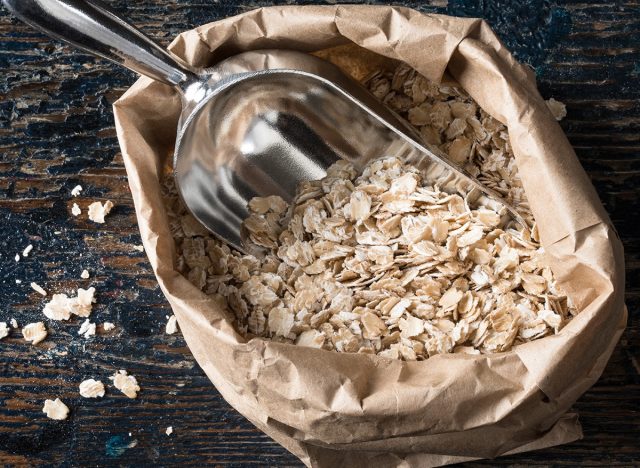
These foods are chock-full of fiber and solid options for anyone on a weight-loss journey, as they help slow digestion and promote feelings of fullness.
"A slower digestion rate will lower your total daily calorie intake even if you don't consciously restrict calories," Dr. Joy says.
Egg Whites, Greek Yogurt, and Lean Proteins

Greek yogurt and egg whites offer quality protein that suppresses the release of hunger hormones. They also provide a feeling of satisfaction for a solid chunk of time in between meals.
Nuts, Seeds, and Avocados
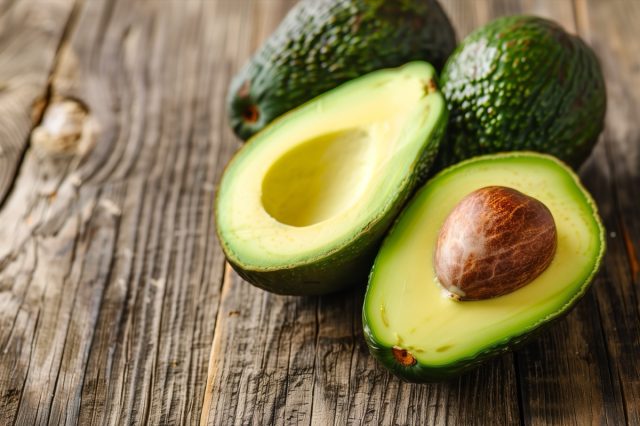
"Nuts, seeds and avocados contain healthy fats that contribute to increased feelings of fullness by slowing gastric emptying," Dr. Joy explains. "Foods that have been fermented (such as yogurt or kefir) may improve gut health and could potentially regulate appetite."
How Foods Impact Satiety Hormones Like GLP-1
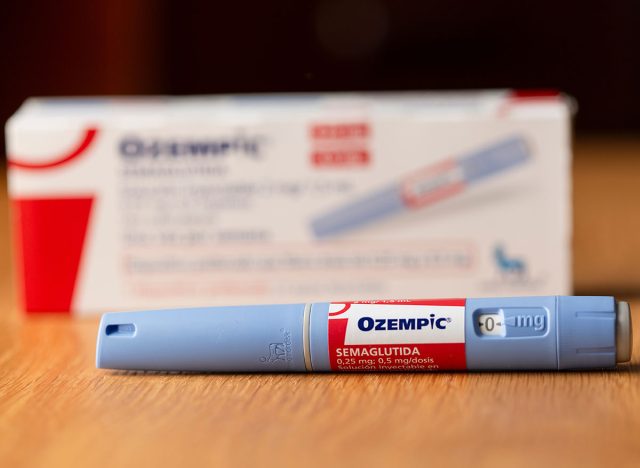
GLP-1 is released when you consume foods that are nutrient-dense (i.e., full of fiber and protein). It sends signals to the brain that aid in appetite regulation and slows down the digestive process.
"As you digest your food, foods that take longer to digest will have GLP-1 active in the body for a longer period of time, which can help individuals experience satiety between meal times. In addition, stable blood glucose levels provide the conditions that support the hormonal response of GLP-1," Dr. Joy tells us. "Therefore, rather than creating excessive stimulation of the GLP-1 system through artificial means, using food to activate the GLP-1 system creates gradual progressive stimulation that allows for long-term control of appetite."
For healthy eating inspiration, check out I Lost 10 Pounds Without Counting Calories and Here Are the 5 Rules I Followed Instead.


