I'm an MD and Here's Why I'm Prescribing Ozempic for More Than Just Obesity Now

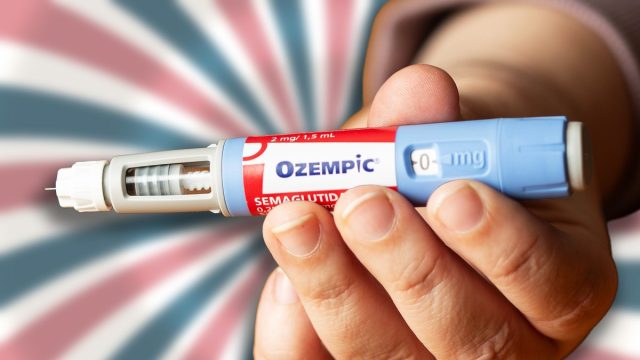
Weight-loss drugs are certainly having a moment, and it seems they aren't going away anytime soon. In fact, their popularity may have just begun. What started out as a drug created to help manage type-2 diabetes has exploded as a tried-and-true solution for weight loss. This "miracle drug" is going strong—and in seemingly positive directions. We spoke with Dr. Fernando Ovalle Jr., double board-certified plastic surgeon and obesity medicine specialist, who shares why he's prescribing Ozempic for more than just obesity now—and we have everything you'll want to know.
RELATED: 10 GLP-1 Medication Lies You Should Stop Believing, Says Nurse
Ozempic and Weight Loss

It's essential to know why Ozempic has been so beneficial when it comes to weight loss. According to U.S. Obesity Statistics in 2025, 40.3% of adults in this country are considered obese, which is classified as a Body Mass Index (BMI) of 30 or higher. This level heightens the risk of many life-threatening conditions, including heart disease, stroke, diabetes, and cancer.
It's no wonder why Ozempic has been dubbed a "miracle drug" on social media and more. While the medical community agrees it can be extremely effective, there can also be serious risks and side effects that come with it—which should never be taken lightly.
RELATED: 5 Things to Know Before Taking a GLP-1 Drug, According to a Nurse Who Takes It
Prescribing GLP-1s for Conditions Beyond Obesity

According to Dr. Ovalle Jr., GLP-1 meds are no longer solely considered "weight-loss drugs," but rather "metabolic disease-modifying agents."
"[GLP-1s] have been shown to meaningfully improve insulin resistance, fatty liver disease, cardiovascular risk, binge-eating tendencies, and overall metabolic health—even before someone meets criteria for diabetes or severe obesity," Dr. Ovalle Jr. tells us. "My decision is driven by global metabolic risk, not just the scale."
Today, the medical community isn't only classifying GLP-1s as "diabetes drugs that cause weight loss"; they're considering them to be solid treatments for cardiometabolic health.
"We now have strong evidence for improvements in blood sugar, weight, blood pressure, liver health, inflammation, and even reductions in major cardiovascular events," Dr. Ovalle Jr. says. "These medications are now seen as tools to modify long-term metabolic and cardiovascular outcomes, not just appetite."
When it comes to patients with diabetes, Dr. Ovalle Jr. says the main priority is prevention of kidney and cardiovascular complications, along with glycemic control
"For non-diabetic patients, the focus is on treating obesity, metabolic syndrome, fatty liver, as well as long-term cardiometabolic risk," Dr. Ovalle Jr. notes. "The medication is the same, but the primary goal differs."


