I'm a Doctor and This One Eating Habit Makes GLP-1 Side Effects Much Easier to Manage

Did you know that your food choices can influence the way prescription medications work? Certain food items can directly impact absorption, metabolization, and elimination from your body. By knowing what to eat—and what to stay away from—you can lower common side effects, including stomach upset, bloating, or nausea.
If you're embarking on a weight-loss journey with GLP-1 medications, knowing what foods to avoid that may adversely interact with medications and worsen side effects can be a complete and utter game-changer. There's also one eating habit, in particular, that makes unpleasant side effects from taking GLP-1s much easier to manage.
We spoke with Dr. Bronwyn Holmes, MD, member of Eden's Medical Advisory Board, who helps us understand why these reactions occur in the first place.
This Eating Habit Eases GLP-1 Side Effects

"When you eat dense meals or eat quickly, you overwhelm the system. The system cannot keep up," says Dr. Holmes. "The result is nausea. The result is reflux. The result is satiety that feels like discomfort, rather than fullness. The result can be vomiting in cases."
But there's one eating habit Dr. Holmes recommends that's quite impactful to avoid GLP-1 side effects altogether. The secret is to eat slowly and consume small portions. It's not restricting yourself or even dieting—according to Dr. Holmes, it has to do with pharmacology and anatomy.
Why GLP-1s Feel Different
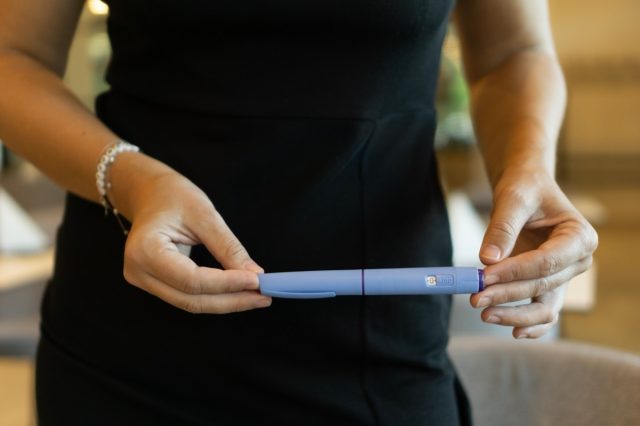
"GLP-1 receptor agonists like semaglutide (Wegovy, Ozempic)[involve] gastric emptying a lot," Dr. Holmes explains. "The stomach processes food slowly. I have noticed that GLP-1 receptor agonists make the stomach process food slowly, and that can make me feel full sooner and sometimes feel a little uncomfortable."
The Simple Fix
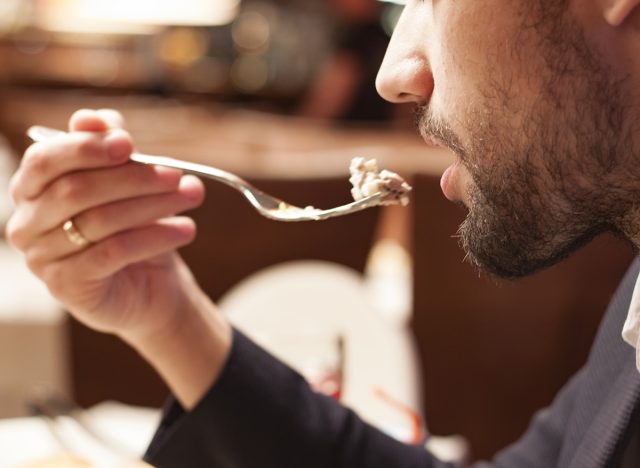
It goes like this. When patients eat and take time to chew every bite, then take a moment between bites, they will be more mindful of feeling full. They will notice bloating and nausea slowing down.
Less Food, Same Satisfaction

"The habit is simple: patients finish food. Feel just as satisfied. The brain and the body get time to register enough before discomfort starts. I have watched patients try the habit and feel better," Dr. Holmes tells us.
How It Stops Nausea
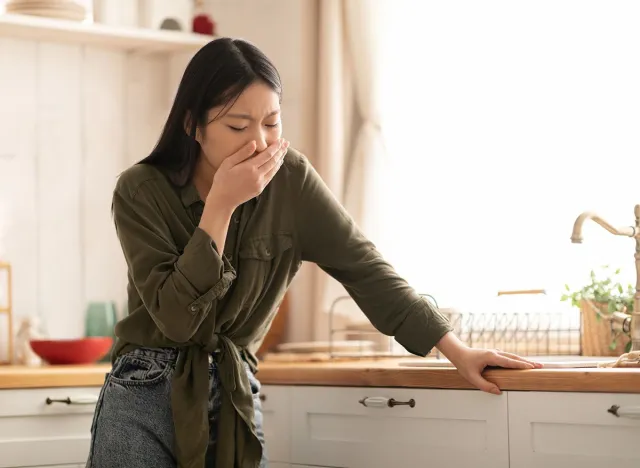
By eating slower, the brain realizes you're full before your body actually feels it, stopping nausea in its tracks. Bloating occurs when food travels at a slow pace through the body, creating a gas build-up. Bloating can decrease with slower eating.
Other Side Effects Need Different Solutions
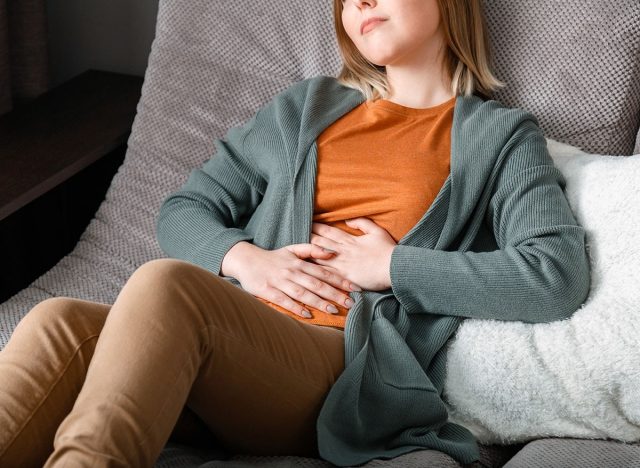
"In my experience, constipation and fatigue often come from things such as hydration, fiber, and electrolyte imbalance," says Dr. Holmes. "I have seen that the slow and small habit mainly helps the GI (gastrointestinal) tract. The upper GI tract is where most new GLP-1 users feel the discomfort. That is the problem for new GLP-1 users."
Tips To Keep in Mind
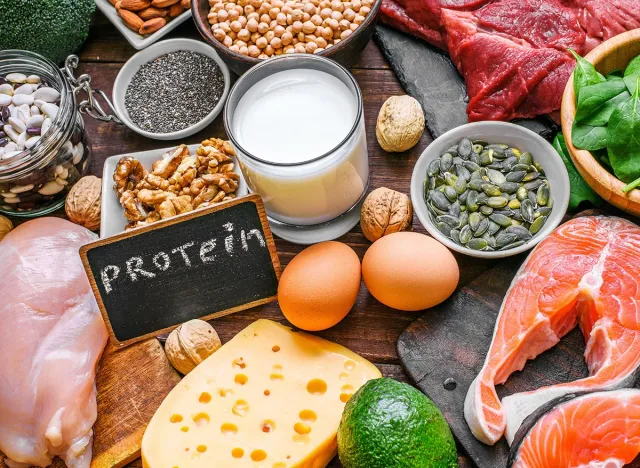
In addition to slowing down the eating process, here are some expert tips Dr. Holmes recommends:
- Eat smaller, more frequent meals. Replace the typical two or three large meals with four or five small ones every three or four hours throughout each day.
- Start your day with protein to help keep you full and your blood sugar steady. Dr. Holmes recommends protein-packed foods like eggs, Greek yogurt, chicken, fish, and tofu.
- Keep a 20-minute window between food, and pause between each bite.
- Do not recline or lie down after eating. Give yourself a minimum of 30 minutes before doing so your GI system has time to simmer down.
- Stay hydrated between meals; avoid it while eating so you don't overfill your belly.
If you're curious about what else to steer clear of, check out these 5 GLP-1 Medication Mistakes You Need to Avoid, According to an Obesity Expert.


