I'm a Doctor Who Treats Patients Over 60 and These Are the 4 GLP-1 Side Effects That Worry Me Most

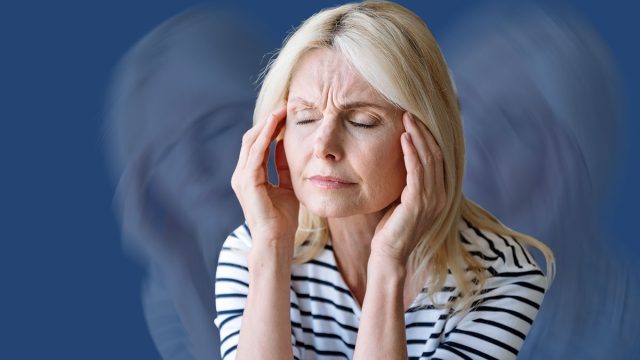
There are many changes that occur to the body after 60. In fact, at 60 years old, aging moves along even faster, and weight gain is an unwelcome foe. Of course, there are lifestyle changes that help, including cutting back on alcohol, getting enough sleep, maintaining a protein-rich diet, and strength training. If you're considering GLP-1 medications for weight loss, there are several things to consider. According to doctors who treat patients over 60, there are four GLP-1 side effects of particular concern.
Muscle Loss

After 30, you begin to lose muscle at a rate of 3% to 8% every decade without regular resistance training and sufficient protein intake. This natural part of aging is called sarcopenia.
"Sarcopenia is one of my biggest worries. By their 60s, most adults are already losing muscle due to age-related sarcopenia, and weight loss can exacerbate this," explains Dr. Roberto Valledor, MD, Collaborating Physician for Texas-based Nurse Practitioners within Mochi Health's telemedicine platform, overseeing GLP-1–based obesity treatment protocols and ensuring top-notch clinical care. "With GLP-1s, the idea is to lose fat, not muscle, so we need to actively preserve it."
RELATED: If You Can Do This Many Pushups After 55, Your Upper-Body Strength Is Elite for Your Age
How To Build and Preserve Muscle

In order to maintain muscle, it's important to consume sufficient quality protein, spacing it out over the course of the day. In addition, perform regular resistance training, whether working with weights, your body weight, resistance bands, or a combination of all three.
"Walking is fine, but not enough on its own. I make sure my patients are strength training to some extent, even lightly. And I talk to them early on about what we are looking for. It's important that it's not about the weight you weigh, but your body composition and the strength of your muscles," Dr. Valledor explains.
Dr. Nisha Chellam, MD, a Board-Certified Internal Medicine and Holistic and Integrative Medicine Doctor at Parsley Health, believes we should stop prioritizing "weight loss" as a goal and shift focus to body composition.
"Getting a dexa scan to assess body composition and then designing an exercise and diet plan to maintain, and, if feasible, build muscle mass before starting GLP-1 is a more successful way to begin these medications," notes Dr. Chellam.
Dehydration

Dehydration is another cause for concern with age—and GLP-1 can actually make this symptom worse.
"The thirst mechanism in older patients is impaired, so they don't perceive that they're thirsty like younger patients do. If you put GLP-1-induced nausea on top of that, you have a patient who is not eating a lot, not drinking a lot, and may not even be aware of their volume depletion," explains Dr. Valledor. "Along with volume goes the electrolytes, like sodium and potassium. If the potassium drops, you can have weakness, dizziness, or confusion. That could be mistaken for something else in an elderly patient, and it can also increase their risk of falling."
RELATED: 4 Standing Dumbbell Exercises That Rebuild Glute Strength After 60, According to a Coach
Falls
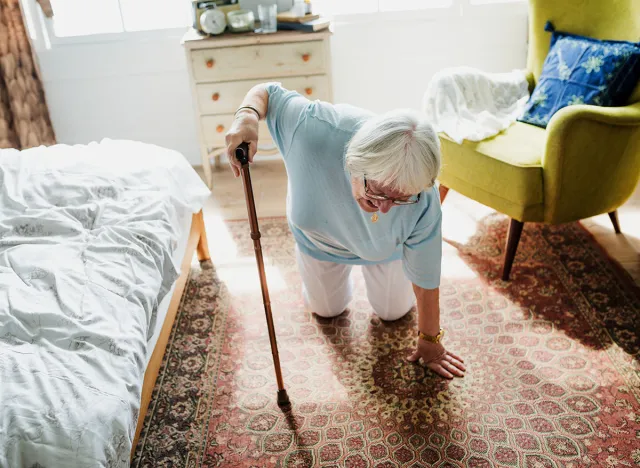
You may be surprised to learn that dehydration can increase your risk of falls with age.
"If you're nauseous or have a decreased appetite, you may not be getting enough protein or fluids. The dehydration can then increase the risk of falls and dizziness, which can have more serious consequences in a 65- or 70-year-old," Dr. Valledor points out.
Slowing of the GI Tract
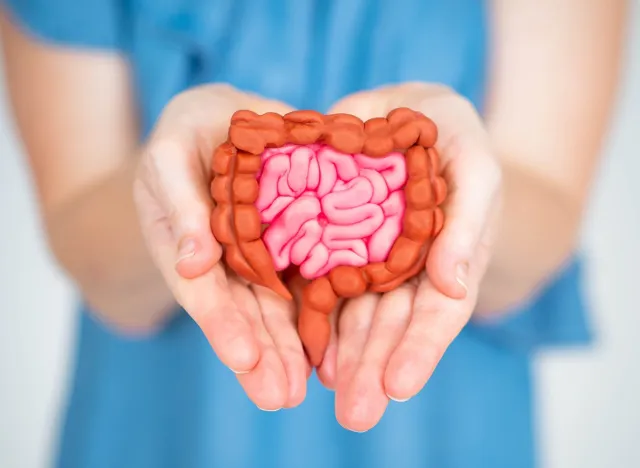
The last side effect that worries MDs pertains to the gastrointestinal (GI) tract.
"This can be due to the slowing of the GI tract, leading to constipation, which can be uncomfortable and also impact the ability to detox. Further, the associated nausea can dehydrate someone easily in this age group," explains Dr. Chellam.
RELATED: 5 Chair Exercises Women Over 50 Should Try for Tighter Upper Arms, According to Fitness Experts
Proactive Steps

Dr. Valledor follows up with older patients on a more consistent basis—especially in the first few months of taking GLP-1s, when side effects are more intense.
"We monitor the weight, of course, but I'm also monitoring for energy, for strength, and food intake. I'm monitoring labs, too, like kidney function and electrolytes, because I can pick up problems early," Dr. Valledor says. "I always ask about dizziness and falls, because sometimes they won't tell you. If they're losing weight too fast or if they're having a lot of nausea, then we'll reduce the dose or go slower. We're not trying to get to the endpoint as fast as possible, we're trying to get to an endpoint that's going to stick and not compromise the rest of their health."
Dr. Chellam recommends getting a dexa scan to see how much of your weight is muscle—ideally, it should be more than 70%—in order to maximize protein and workout recommendations.
"In addition, add electrolytes to your water, and add antiemetics to avoid poor intake and dehydration, as mentioned," Dr. Chellam says. "Maybe even recommend small, frequent meals."
If you're interested in losing weight naturally, check out I'm a Nutritionist, and These 7 Eating Habits Help You Lose Weight and Feel Stronger.


