I'm a Weight Loss Doctor and Here are the 4 Things I Tell Every Patient Before Their First Ozempic Shot

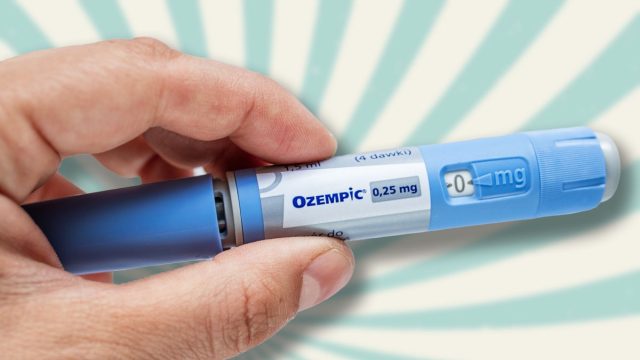
Losing weight is a unique journey for each individual. If you're taking weight-loss drugs—or GLP-1s—like Ozempic, Wegovy, or Mounjaro, it's essential to understand the pros, cons, and possible side effects. We spoke with Jennifer Brown, MD, ABOM, ABFM, who shares four things she tells every patient before getting their first Ozempic shot. Being in the know and having discussions with your healthcare provider is key in determining the right course of attack for your body.
Understand the Chronic Nature of Obesity

"I think it's of utmost importance for patients to understand the chronic nature of obesity before starting medications like semaglutide," says Brown. "I spend a lot of time with patients during that first visit, discussing long-term treatment goals, the role of intensive lifestyle changes, and realistic expectations."
Many hope weight-loss drugs will offer a "quick fix"—but that's not how semaglutide works. According to Brown, when patients stop taking Ozempic after achieving their goal weight, they usually always regain the weight they lost.
"I look for a long-term commitment from the patient before starting medications like semaglutide," Brown tells us.
RELATED: 3 Doctor-Approved Tips Boost Ozempic Results Within 14 Days
Establish Long-Term Treatment Goals
Successful weight loss means looking ahead to the future. Establishing sustainable long-term treatment goals is ultimately what helps you maintain your goal weight.
"Weight loss for those who are obese is about more than a number on the scale; it's about longevity and decreasing the risk of chronic diseases, such as cardiovascular disease and cancer," Brown says. "From a medical standpoint, health parameters improve with a 10% loss of total body weight, which is much less than most patients would like to see."
RELATED: 6 Ozempic Morning Non-Negotiables for Weight Loss, According to a Doctor
Consider Essential Lifestyle Changes

Losing weight—and keeping it off—goes beyond the aid of weight-loss drugs. Adopting healthy lifestyle habits—and sticking with them—is key. This means consuming a nutritious diet that's high in both protein and fiber, performing regular exercise, getting sufficient sleep, and minimizing stress.
"Adhering to a healthy diet and physical activity plan is vital for long-term weight loss success," Brown tells us.
RELATED: Dietitian Reveals How to Trigger the Ozempic Effect Naturally Without Medication
Be Realistic
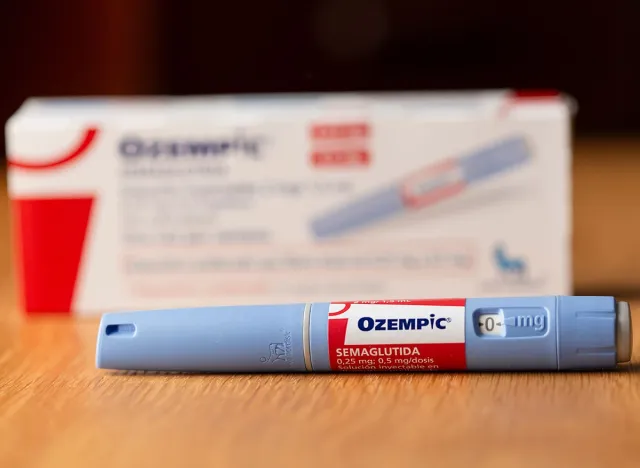
Brown always ensures patients understand that while semaglutide is an effective weight-loss aid, many will not achieve a "normal" BMI.
"Taking semaglutide leads to an average weight loss of 15% of total body weight," she explains. "For a patient who weighs 350 pounds, for example, a 50-pound weight loss may not get them to their personal goal."


