I'm a Pharmacist Who Fills Ozempic Prescriptions and These Are 4 Mistakes I See Every Day


If you're considering taking Ozempic for weight loss, it's important to be educated about the potential risks, side effects, and key habits for success before starting your journey. Ozempic has been approved by the FDA as a means to help individuals manage type-2 diabetes. More recently, it's gained popularity as a productive method to achieve significant weight loss. So, we spoke with Abbas Kanani, Superintendent Pharmacist with Chemist Click, who fills Ozempic prescriptions, to learn the four mistakes he sees patients make.
The Truth About Ozempic
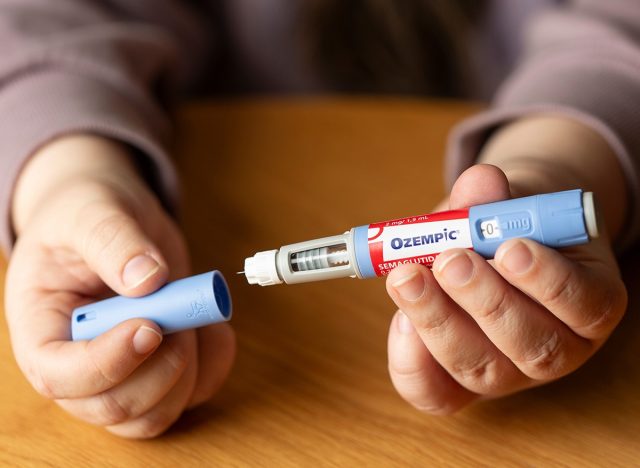
"While a lot of people now associate [Ozempic] with weight loss, it's not actually approved just for weight loss on its own," explains Kanani. "It's also not suitable for everyone and we wouldn't expect to see it used in people with type-1 diabetes, anyone looking to use it purely for cosmetic weight loss, or people with a personal or family history of medullary thyroid cancer or MEN2."
RELATED: 4 Bed Exercises That Restore Thigh Strength Faster Than Squats After 65
What Pharmacists Look for When Reviewing Ozempic Prescriptions

When reviewing Ozempic prescriptions, there are a few crucial things Kanani looks for to ensure it's safe and appropriate for each patient.
"We look to confirm that the indication aligns with type-2 diabetes management or that there's a clearly documented clinical reason for its use. As well as this, the dose and titration start low, typically at 0.25 mg once weekly, and increase gradually to minimise side effects, and that it's being used safely alongside any other diabetes medications, particularly insulin or sulfonylureas, which can increase the risk of low blood sugar," Kanani tells us.
Pharmacists will also consider the patient's medical history for any potential alarm sounds, including severe gastrointestinal disease, a risk of thyroid cancer, or a history of pancreatitis.
"Because Ozempic is a long-term treatment, we also expect to see appropriate follow-up and monitoring, including regular A1C checks (a blood test that measures your average blood glucose (sugar) levels)," Kanani adds. "If anything doesn't quite add up, it's very normal for a pharmacist to contact the prescriber to clarify, this is all part of making sure the medication is being used safely and for the right reasons."
Rushing the Dose
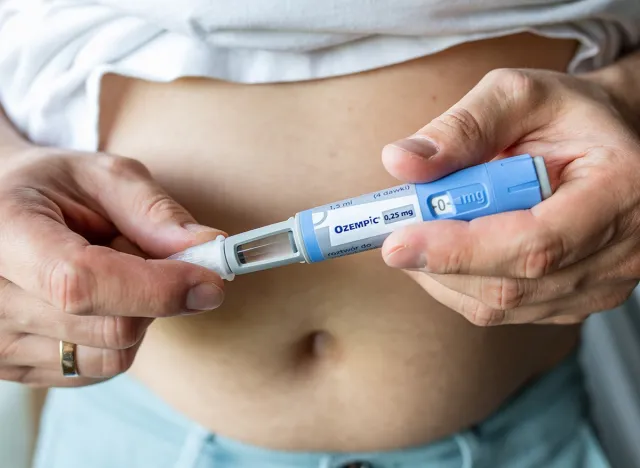
A major mistake Kanani sees is patients rushing their dose.
"It's tempting to want faster results, but starting too high or increasing too quickly often leads to nausea, vomiting, or feeling wiped out, and that's when people give up on it altogether," he says.
It's important to go slow and allow your body ample time to adjust.
RELATED: If You Can Do These 4 Chair Movements Without Stopping After 55, Your Core Strength Is Exceptional
Skipping Meals

Barely eating or skipping meals altogether is another common concern—both of which can worsen side effects and leave patients feeling dizzy or weak. Consuming small, regular meals that are packed with protein is the name of the game.
Thinking Ozempic Will "Do All the Work"
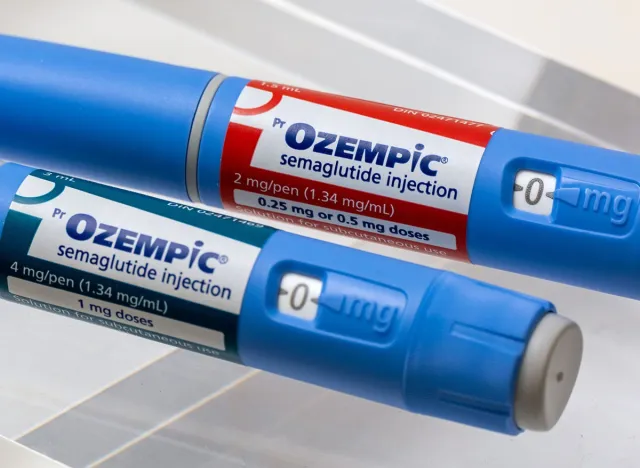
Ozempic can help you achieve weight-loss success when paired with healthy lifestyle habits, like performing regular exercise and consuming a nutritious diet.
"[Ozempic is] a really helpful tool, but it works best alongside realistic changes to eating habits and activity, not instead of them," Kanani says.
RELATED: 4 Standing Arm Exercises That Smooth Jiggle Faster Than Bicep Curls After 50
Stopping the Medication Abruptly
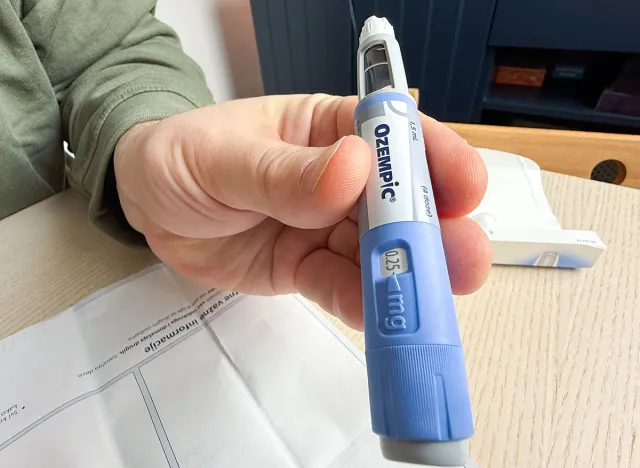
Some patients won't maintain follow-ups or stop the medication cold-turkey.
"Ozempic is meant to be used long-term, with regular check-ins to make sure it's doing what it should and that blood sugars stay in a healthy range," Kanani stresses.
Common Questions About Ozempic
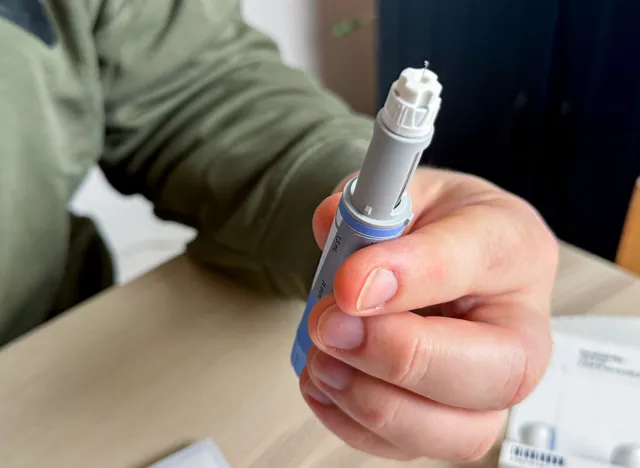
It's essential to know all the facts before starting any weight-loss medication. Most patients will typically ask a pharmacist about potential side effects first and foremost. As Kanani puts it: "Things like nausea, reflux, constipation, or whether what they're feeling is "normal," especially in the first few weeks."
Another topic of interest? How long Ozempic takes to work and when the patient will notice changes in their weight or blood sugar.
"We're also asked a lot about dosing, particularly what to do if they miss a dose or whether they can move up faster," Kanani adds. "Cost and availability come up all the time, too. People want to know why it's expensive and what to do if there's a supply issue." Here are some other important things to keep in mind.
RELATED: 5 Morning Exercises That Shrink Belly Pooch Faster Than Gym Machines After 55
Ozempic Can Shift Your Appetite—a Lot

Something you may not be entirely prepared for is how much your appetite is impacted while on Ozempic.
"Ozempic can change your appetite a lot, not just by making you eat less, but by making certain foods suddenly feel unappealing," Kanani explains. "That's normal, but it can catch people off guard and sometimes leads to under-eating, low energy, or feeling lightheaded if you're not paying attention."
Side Effects May Not Show up Immediately

Side effects aren't always immediate.
According to Kanani, "They can pop up weeks later, especially after a dose increase, so people are often surprised when they start feeling nauseous 'out of nowhere.'"
RELATED: 4 Daily Exercises That Restore Core Strength Faster Than Pilates After 65
Weight Loss Isn't Always Consistent

Keep in mind that weight loss may not always be consistent and hitting plateaus is common even when taking weight-loss drugs.
"[Weight loss] often comes in starts and stops, and plateaus are very common even when the medication is working exactly as it should," Kanani says.
It's Not a Magical Solution

Losing weight—and keeping it off for the long-term—is hard work. It's important to keep in mind that Ozempic isn't a "magic fix."
"The people who tend to feel best on Ozempic are the ones who stay hydrated, eat enough protein, go slowly with dose changes, and keep in touch with their healthcare team instead of trying to push through problems on their own," Kanani stresses.
If you're curious to learn what else GLP-1s can do, check out 5 Surprising Health Benefits of GLP-1 Drugs That Have Nothing to Do With Weight Loss.


