I'm a Weight Loss Doctor and Here's What Oprah Gets Right About Taking a GLP-1 That Most People Miss


Your medical provider can be a wealth of information if you're considering GLP-1 medication. These glucagon-like peptide-1 agonists have gained much popularity due to their ability to fuel significant weight loss. They help slow down digestion, reduce appetite and cravings, and help you feel full by mimicking a natural hormone. This process leads to eating less and losing weight.
There's much to learn about these prescription drugs that were once solely used to treat type-2 diabetes. Now, they're FDA-approved for weight loss and addressing obesity.
Many celebs have hopped on the GLP-1 bandwagon, including Oprah Winfrey, who lost 50 pounds. We spoke to a weight-loss doctor to learn what Oprah gets right about taking a GLP-1 that many people miss.
She's Been Open About Her Weight-Loss Journey

"While I don't speak for Oprah or her medical team, I deeply respect the honesty and clarity with which she's sharing her journey, and I believe it's resonating with millions because she fundamentally speaks to what these treatments are truly about," says Dr. Bronwyn Holmes, M.D., Medical Advisory Board at metabolic health platform Eden.
Below, Dr. Holmes shares what Oprah gets right about GLP-1s—and what Dr. Holmes constantly tries to stress in her clinical practice.
GLP-1s Treat Biology

During a 2023 special on obesity, Oprah shared, "I avoided the word 'obesity.' It connoted 'out of control.' But, I came to understand that overeating doesn't cause obesity. Obesity causes overeating. And that's the most mind-blowing, freeing thing I've experienced as an adult" (via PEOPLE).
According to Dr. Holmes, obesity does not mean you are failing, but rather, it's a "complex, chronic disease."
She adds, "The public narrative has long held that weight is purely about willpower, but Oprah has helped reframe this conversation by acknowledging a truth many clinicians have known for years: overweight or obesity is heavily driven by genetic, neurohormonal, and metabolic factors."
Being Educated About GLP-1s Is Powerful—and Necessary

Being educated about how GLP-1s work (along with their side effects) is essential—and this is something Oprah knows well.
"GLP‑1 medications don't 'make you lose weight'; they target the biological feedback loops in the brain and gut that can lead someone into chronic dysregulation of appetite, insulin signaling, and energy storage. Oprah's personal shift from self-blame to medical insight is empowering, and exactly where society needs to go next," Dr. Holmes says.
GLP-1s Are Not a Solution, but Rather a Tool
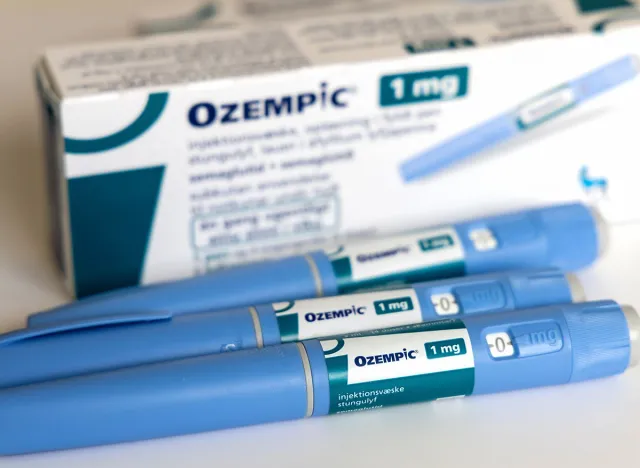
Adopting healthy lifestyle habits—like following a nutritious diet and regular workout routine—while taking GLP-1s is key for success. After all, weight-loss drugs are only part of the equation.
"Many believe a GLP‑1 like semaglutide (used in medications like Ozempic, Wegovy, or compounded equivalents in certain care models) works like flipping a switch. But as Oprah has voiced clearly: she hikes, lifts weights, eats early dinners, avoids alcohol, and practices consistency, her medication supports those choices, it doesn't replace them," Dr. Holmes says.
Healthy Habits Should Be Built Around Weight-Loss Drug Therapy

Research confirms that GLP-1s are most beneficial and effective when paired with proper physical activity, nutrition, and stress-management techniques.
"Oprah built a system of habits around her therapy, not because she had to be perfect, but because these habits amplify the benefit and protect her long-term health," Dr. Holmes points out.
A Common Misconception Is That GLP-1s Speed up Metabolism

A major misconception about GLP-1s is that they rev up metabolism or "burn fat." They suppress appetite by channeling a natural gut hormone—Glucagon-Like Peptide-1—that signals fullness after you finish eating.
"They also slow down gastric emptying, reduce blood sugar spikes, and most importantly, help interrupt 'food noise,' or constant thoughts about eating," Dr. Holmes explains. "That's what Oprah describes so powerfully: realizing that thin people simply aren't thinking about food all day. With GLP‑1 support, many people can finally experience what it means to eat when hungry and stop when full, for the first time in their adult lives."
GLP-1s Are Not "The Easy Way Out"
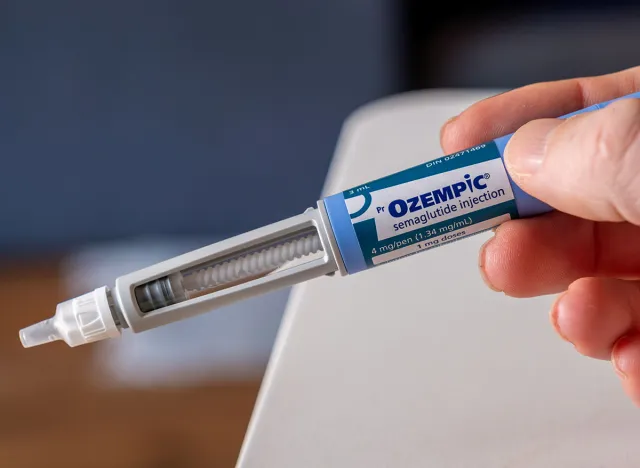
Another common misconception about GLP-1s is that they're "the easy way out." This couldn't be further from the truth.
"Taking a GLP‑1 is … an evidence-based approach to a medical condition. Oprah's story helps normalize that, and I applaud her," Dr. Holmes shares.
A Sustainable Approach Is Key

A sustainable approach to weight loss ensures success in the long-term—even after weaning off of prescription meds.
"What stands out about Oprah's routine is how multidimensional it is. She prioritized resistance training to protect her muscles, hydration and magnesium for gut health, sleep, digital detox, joyful movement, and even fashion, she referenced being excited to wear clothes off the rack for the first time without shame," Dr. Holmes says. "This is sustainable care. The medication changes the internal chemistry, but transformation happens when you pair that biology shift with emotional healing, physical strength, and self-compassion."
For more wellness inspiration, check out Kathy Bates lost 100 pounds and here are 3 foods she says she'll never eat again.


