I'm an Obesity MD and These 4 Daily Habits Help Ozempic Work Twice as Fast

If you're having difficulty losing weight, you may be missing a key factor: It makes perfect sense to turn to an obesity medicine specialist when dealing with weight loss. They treat weight loss as a chronic medical condition and look into your genetics, underlying metabolic factors, and potential hormonal influences that may be impeding your ability to drop excess pounds. This specialist will personalize a treatment that's best for you, including nutritional and lifestyle changes, along with medication.
If you're considering Ozempic for weight loss, this type of medical professional is an ideal source. That's why we spoke with Dr. Bronwyn Holmes, M.D., Medical Advisory Board at metabolic health platform Eden, who shares with us four daily habits that will help Ozempic work two times faster.
RELATED: 4 Seated Exercises That Improve Balance Faster Than Yoga After 55
Adopting Healthy Habits Can Boost the Effectiveness of Ozempic
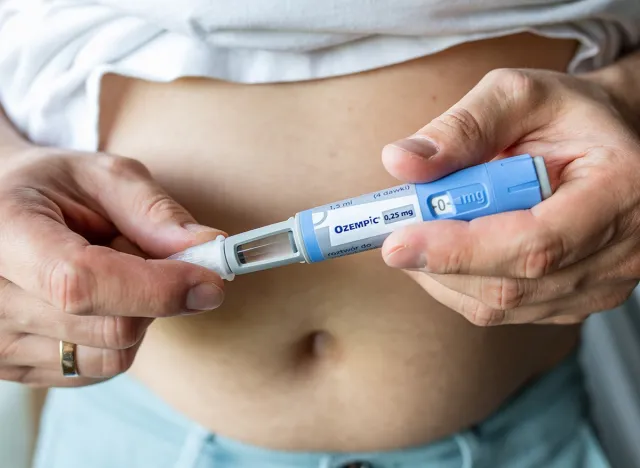
"GLP-1 medications are powerful, but they're not self-driving," Dr. Holmes tells us. "Daily habits shape how your body uses that pharmacologic advantage. Patients who support the medication with intentional habits not only lose more fat, but they also preserve more muscle, reduce side effects, and stay motivated longer. These habits turn a medication into a proven lifestyle intervention, amplifying both results and sustainability."
RELATED: 4 Simple Exercises That Restore Grip Strength Faster Than Weight Training After 60
Add Protein to Your Meals
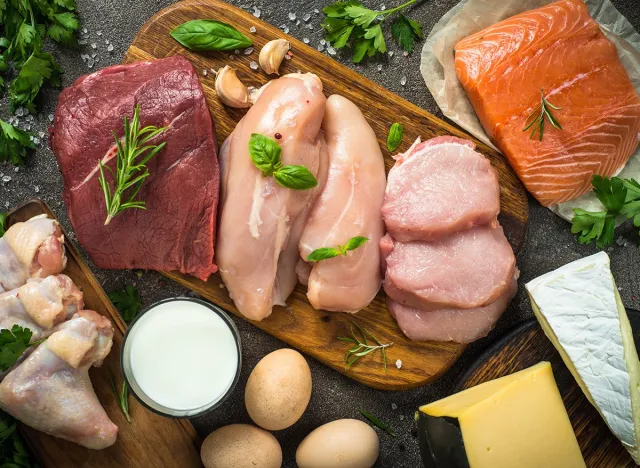
Kicking your day off with a nutritious, protein-packed breakfast is a surefire way to achieving success. In fact, it's important to add protein to each one of your meals.
Dr. Holmes recommends, "Begin every meal with 20 to 30 grams of protein. It stabilizes blood sugar, supports muscle, and naturally limits how much you eat of everything else."
RELATED: If You Can Do This Many Sit-ups After 55, Your Arm Core Endurance Is Elite
Strength Train
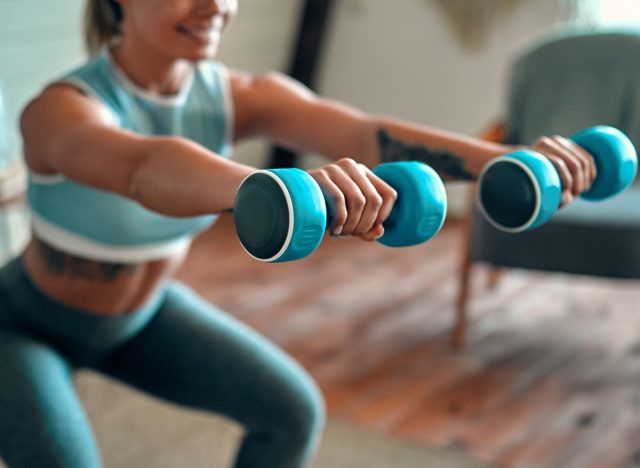
During any rapid weight-loss journey, it's common to lose muscle mass. That's why consuming plenty of protein and engaging in regular resistance exercise is essential. Dr. Holmes recommends strength training three times a week.
"Medications reduce weight; training determines what kind. Lift weights to tell your body to burn fat, not muscle," she explains.
RELATED: 7 Simple Daily Exercises That Shrink Hanging Belly Fat Fast After 55
Drink Water Before Coffee
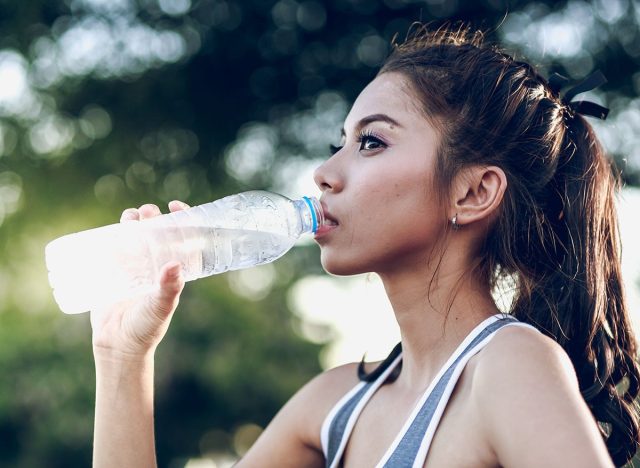
Preparing a cup of joe may be one of the first things you do when you wake up, but Dr. Holmes suggests drinking a tall glass of water first.
"Hydration first improves digestion, reduces headaches, and supports hunger signaling. Delay caffeine 60-90 minutes after waking to protect cortisol balance," she says.
RELATED: 6 Standing Workouts for a Leaner, Stronger Core After 55
Establish Consistent Eating Windows

Another crucial step for weight-loss success? Establishing consistent eating windows.
"Grazing backfires on GLP-1s," Dr. Holmes cautions. "Structured meals with clear stop times reduce nausea and teach your system predictability."
RELATED: 5 Chair Exercises That Restore Upper Body Faster Than Dumbbells After 50
Key Warning Signs Ozempic Isn't Working as Effectively as It Should

According to Dr. Holmes, there are certain early warning signs that Ozempic isn't working as effectively as it should.
"Red flags are the return of cravings, fatigue, a plateau in weight when you stick to the plan, or the loss of muscle," she says. "Red flags often point to not protein, not movement, not enough water, or too much restriction that backfires. Re-checking labs (like thyroid, fasting insulin, or ferritin) can also reveal issues unrelated to the medication itself. Adjusting habits often reactivates progress without adjusting the dose."
If you're curious about what else GLP-1s can do, check out 5 Surprising Health Benefits of GLP-1 Drugs That Have Nothing to Do With Weight Loss.


