I'm a Medication Safety Pharmacist and Here Are 3 Supplements That Quietly Sabotage Your Ozempic Results


Taking supplements is a pretty common ritual for many health-minded individuals. They can add to your overall wellness, ensuring your body is getting enough of the important vitamins it needs daily to stay healthy. But it's critical to be mindful of everything you put into your body, because the end result can turn out to be quite different than intended.
Let's look at GLP-1 prescription drugs for a prime example. They are powerful medications—so powerful, in fact, they actually trick your brain into thinking your belly is full and it's time to stop eating. While GLP-1s can be tremendously successful in helping many individuals achieve their weight-loss goals, it's wise to have a solid understanding of what exactly you are dealing with. If you take supplements, there are three interactions nobody warns you about. We have those interactions and more information from Dr. Reshma Kapadia Patel, Founder of WiseMedRx and PharmD, Deprescribing & Medication Safety Specialist at WiseMedRx.
What Are GLP-1 Medications, and How Do They Work?
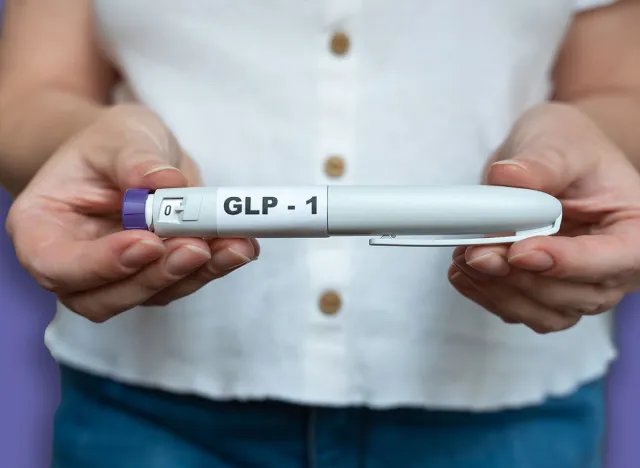
According to Dr. Kapadia Patel, prescription drugs like Wegovy and Ozempic are GLP-1 receptor agonists. They aid in regulating blood sugar, delaying gastric emptying, and increasing feelings of fullness.
"This combination helps people feel satisfied with less food, which supports both weight loss and blood sugar control," she says.
RELATED: 5 Bed Exercises That Flatten Apron Belly Faster Than Pilates After 60
The Importance of Disclosing Supplement Usage When Taking a GLP-1
As a pharmacist, Dr. Kapadia Patel usually sees patients overlook disclosing supplement usage because they don't consider them medications. But in reality, supplements can majorly impact how your body responds to GLP-1 treatment.
"Supplements can seem harmless, but when combined with medications like GLP-1s, they can change how your body responds in ways people don't expect," Dr. Kapadia Patel explains. "Sharing everything you're taking helps make sure your plan is both safe and effective."
3 Supplement Interactions Patients Typically Overlook
Dr. Kapadia Patel commonly sees patients taking supplements with their GLP-1 medication without realizing the potential harm. Here are three supplement interactions patients typically overlook.
RELATED: 5 Dumbbell Exercises That Build Shoulder Strength Faster Than Machines After 60
Blood Sugar–Lowering Supplements
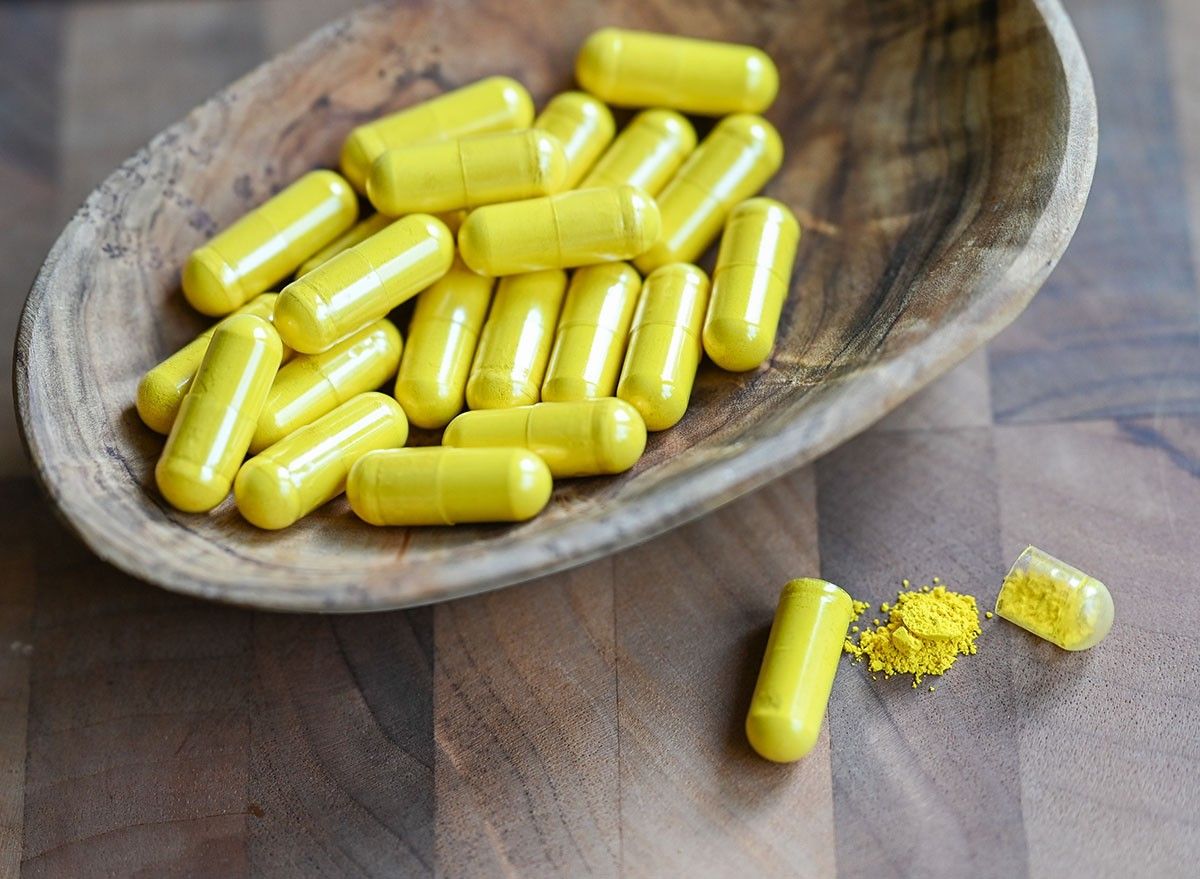
"Supplements like Berberine, chromium, or cinnamon can also lower blood sugar," Dr. Kapadia Patel explains. "When combined with a GLP-1 medication, this can increase the risk of blood sugar dropping too low, especially for patients already managing diabetes."
Fiber Supplements
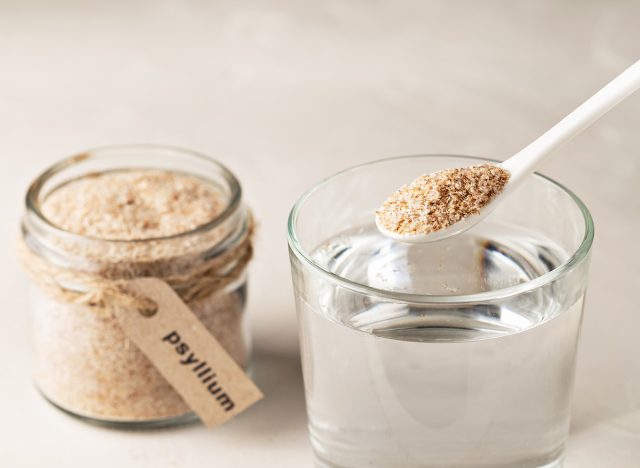
Fiber can be incredibly helpful, but when consumed too closely with medications, it can impact how well they're absorbed.
"Since GLP-1 medications already slow digestion, adding large amounts of fiber can sometimes increase bloating, discomfort, or constipation," Dr. Kapadia Patel stresses.
RELATED: 4 Standing Exercises That Restore Muscle Tone Better Than Weight Training After 60
Hydration and Electrolyte Supplements

GLP-1s can decrease appetite and sometimes lead to nausea, so patients may consume less without noticing it.
"Even if they're using electrolyte drinks or powders, it may not be enough if they're not drinking enough overall leading to dehydration, dizziness, or fatigue," Dr. Kapadia Patel says.
Symptoms That May Suggest Interaction

First and foremost, it's important to disclose any supplement usage to your healthcare provider to avoid potential interactions.
"Symptoms like dizziness, shakiness, unusual fatigue, ongoing nausea, or feeling weak can be signs that something isn't working well together, especially when supplements are added on top of medications," Dr. Kapadia Patel points out. "If these symptoms continue or worsen, it's important to check in with a healthcare provider. As a deprescribing pharmacist, I always remind patients that more isn't always better especially when it comes to combining supplements with prescription medications."
If you're curious about what else GLP-1s can do, check out 5 Surprising Health Benefits of GLP-1 Drugs That Have Nothing to Do With Weight Loss.


