I'm a Doctor and Here Are 5 Reasons Most People Over 55 Regain Weight After Stopping Ozempic

Studies show that many people gain their weight back within two years after they stop using weight management drugs. In fact, 9,341 adults across 37 studies gained an average of .9 pounds each month after discontinuing their prescription. If your goal is to lose weight, it's essential to find the plan that's right—and sustainable—for you. That means not only how to reach your goal, but to keep the weight off long-term.
To help you learn some important facts, we spoke with doctors who share five reasons most people over 55 regain weight after stopping Ozempic.
Hormonal Imbalances
Obesity is activated by a hormonal imbalance that disrupts the ability to pinpoint when you're actually hungry.
"Ozempic helps reset this balance. When a patient stops taking Ozempic, the body's hormonal imbalance between hunger and satiety resumes, leading to weight gain," explains Jennifer Brown, MD, ABOM, ABFM, obesity expert for My Obesity Team, who is board-certified in obesity medicine and family medicine and has practiced medicine in one of the most obese states in the U.S. for more than 20 years.
Cravings

Another unfortunate side effect of discontinuing GLP-1 usage? Pesky cravings and food noise return.
"While on Ozempic, patients find it easier to maintain a healthy lifestyle because food cravings are reduced. If they stop taking the medication, the cravings return full-force," Dr. Brown says.
Metabolic Needs

For individuals who are 55 and up, metabolism naturally slows down, meaning it doesn't need as many calories in order to function.
"Ozempic helps match metabolic needs with appropriate caloric intake. Once Ozempic is stopped, the mismatch between metabolic needs and hunger cues returns, leading to weight gain," Dr. Brown notes.
Mood

Many patients get a nice little mood boost while taking Ozempic, as they're successfully shedding weight.
"When they stop Ozempic, it's often easy to return to the mindset that they can't lose weight on their own, so why even try," Dr. Brown adds.
Muscle Mass

As you age, it's important to build and preserve lean muscle—especially when losing weight. After all, you naturally lose 3% to 8% of it every decade after 30. This is something to be particularly mindful of when discontinuing Ozempic.
"As an older adult, you're more likely to lose muscle mass when you lose weight, and the less muscle mass you have, the slower your resting metabolism is when you go off Ozempic," says Dr. Roberto Valledor, MD, Collaborating Physician for Texas-based Nurse Practitioners within Mochi Health's telemedicine platform, overseeing GLP-1–based obesity treatment protocols and ensuring top-notch clinical care.
Are Adults 55+ More Susceptible to Weight Regain?
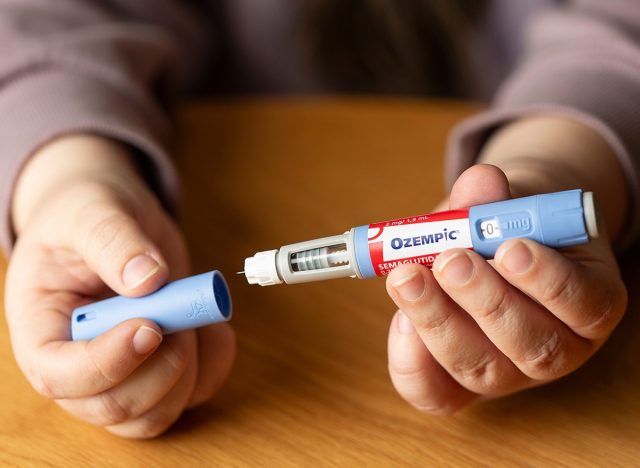
Aging adults have a greater risk of weight regain once stopping GLP-1s due to several reasons.
"As you get older, your metabolism naturally slows down, so you burn fewer calories at rest than younger individuals. Additionally, older adults tend to lose more muscle during weight loss, and muscle tissue burns more calories than fat, so if you lose muscle, your resting metabolic rate decreases," Dr. Valledor explains. "Finally, hormonal changes, such as postmenopausal decreases in estrogen in women and decreases in testosterone in older men, can affect where and how the body stores fat, as well as how the body responds to changes in diet and exercise."
Once the appetite-suppressing effects of Ozempic fade away, there's less aiding the body in weight management.
How To Keep the Weight Off

Much of the advice for maintaining weight loss after Ozempic emphasizes the healthy habits you followed while taking the medication, like consuming a nutritious diet and performing regular strength training.
"To help prevent weight regain after stopping a GLP-1, it's vital that patients adhere to a healthy diet and participate in physical activity, including both cardio and strength training. Some patients may also benefit from nutritional support from a dietitian or psychological support from a therapist experienced in eating disorders," Dr. Brown says.
If you're curious about what else GLP-1s can do, check out 5 Surprising Health Benefits of GLP-1 Drugs That Have Nothing to Do With Weight Loss.


