I'm a Nutritionist and Here's What Creatine Actually Does to Your Muscles After 50


One of the most popular supplements on the market right now is creatine—and for good reason. Creatine supplements are a safe and effective way to fast-track muscle growth, strength, and recovery while potentially boosting cognition. Not only do bodybuilders and fitness enthusiasts reap the benefits creatine offers, but older adults use it to fight the effects of sarcopenia—the loss of muscle that naturally occurs over time.
We spoke with Dr. Kezia Joy, RDN, Medical Advisor with Welzo, who breaks down what creatine actually does to your muscles after 50 and why it is so beneficial to your overall strength and well-being.
What Is Creatine?
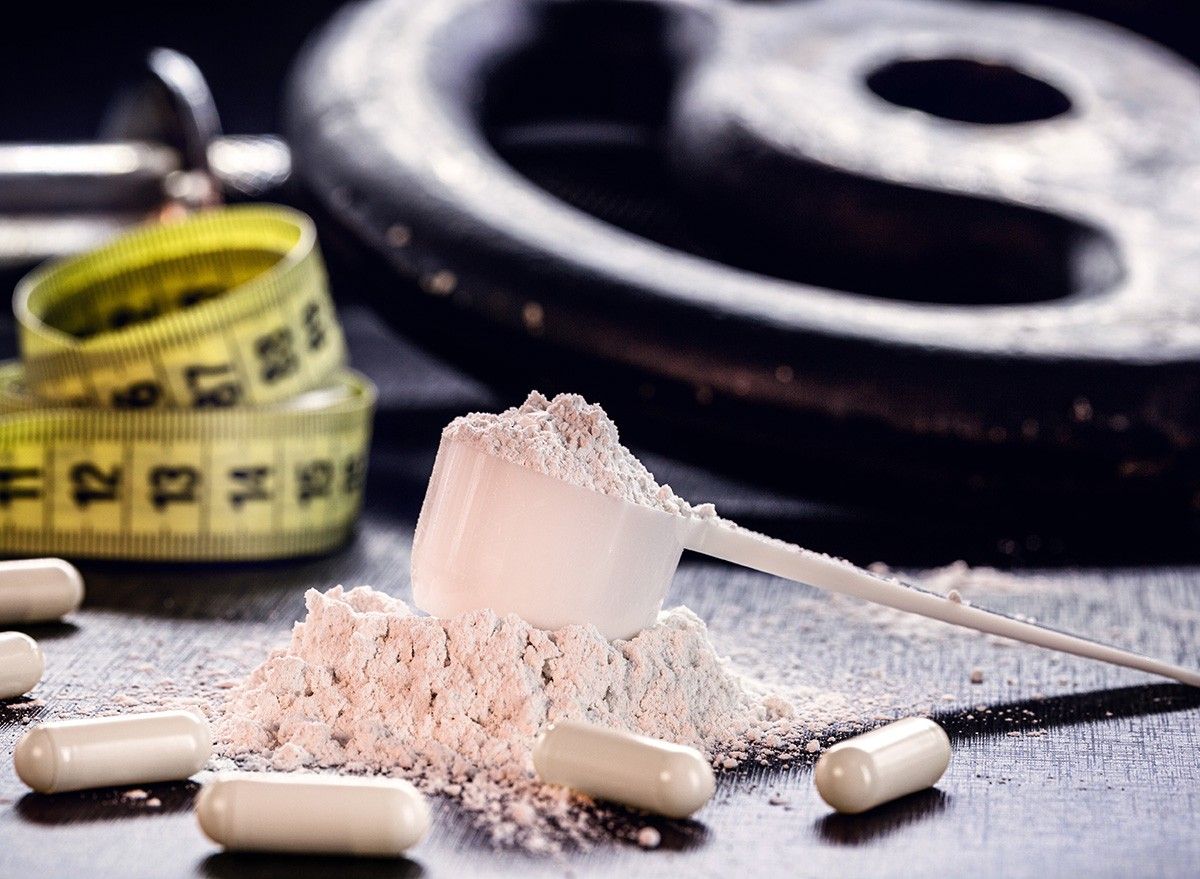
Creatine is a natural substance produced in the pancreas, liver, and kidneys that's made up of three amino acids. You'll also find creatine in meat and seafood.
"[Creatine is] primarily located in skeletal muscles where it serves the function of regenerating Adenosine Triphosphate (ATP), which your body utilises to produce short, high-energy bursts," Dr. Joy tells us. "In addition to consuming some creatine through diet sources such as red meat and fish, supplemental use of creatine can cause an increase in the amount of creatine stored within the muscle. It can be especially useful as levels of creatine in the body and the size of the muscle decrease with age."
What Happens to Your Muscles When You Start Taking Creatine After 50

After 50, men typically hold onto more phosphocreatine while taking creatine supplements.
"The improved ability of the muscle to generate rapid amounts of energy will improve the performance of the muscle at both high-effort and strength-based activities. Creatine can draw water into the muscle cells that it occupies, which may support hydration at the cellular level as well as possibly support the signalling pathways associated with muscle protein synthesis," Dr. Joy says.
All this can promote an environment that's more favorable for maintaining muscle mass and strength.
How Creatine Can Help Counteract Age-Related Muscle Loss

Age-related muscle loss is largely fueled by reduced physical activity, hormonal shifts, and a declined ability of the muscles to synthesize new proteins. Research shows that creatine can help boost your body's response to strength workouts by improving overall training capacity.
"While creatine may provide some level of protection against muscle loss on its own, the greatest benefit will be achieved by combining it with consistent resistance training. It is only through this type of stimulation that muscle mass will be preserved, and growth will occur," Dr. Joy explains.
Safe And Effective Dosage
For adults 50+, Dr. Joy recommends taking three to five grams of creatine monohydrate per day.
"The loading phase is optional, as daily consumption will allow saturation of muscle stores over time. Before starting, it would be beneficial for individuals who have kidney issues, poor kidney function or are on prescription drugs affecting renal health to speak with their physician regarding the use of creatine," Dr. Joy tells us. "When taken as directed by the manufacturer's instructions and as intended by the individual, creatine has an established and good safety record."
If you're curious about what else GLP-1s can do, check out 5 Surprising Health Benefits of GLP-1 Drugs That Have Nothing to Do With Weight Loss.


