I'm a Doctor Who Prescribes GLP-1s and Here Are 3 "Jab Hacks" I'm Begging Patients to Stop

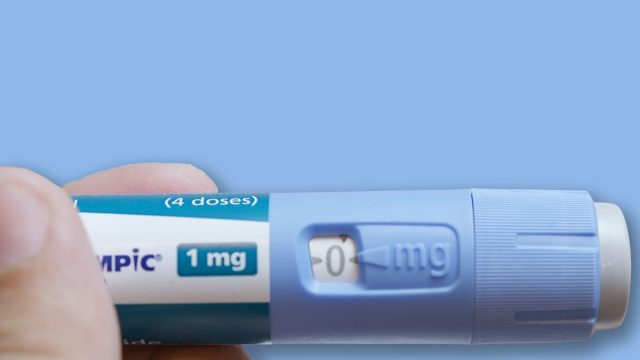
Weight-loss drugs have grown in popularity—and for good reason. These medications help suppress appetite, often resulting in significant weight loss. As with any prescription, it's important to establish a personalized game plan under the guidance of a medical professional. That's why the recent "jab hacks" circulating online are quite concerning. We spoke with Dr. Bronwyn Holmes, M.D., Medical Advisory Board at metabolic health platform Eden, who shares the most common "jab hacks"—or shortcuts—she's seen patients try on weight-loss injections and why they're incredibly troubling.
"Jab Hacks" She's Begging Patients to Stop
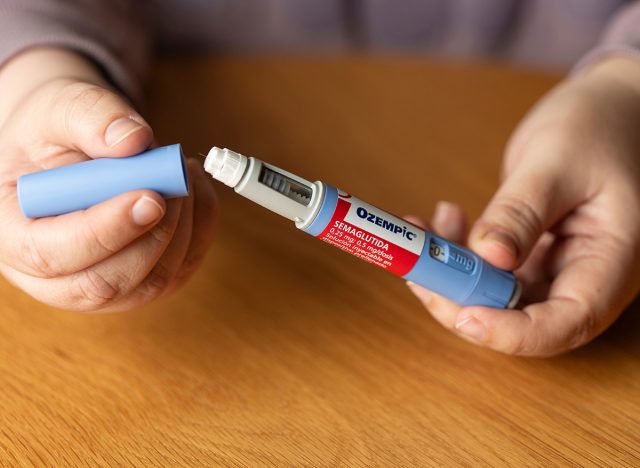
The three jab hacks Dr. Holmes has seen the most include:
- Microdosing under therapeutic ranges (ex. skipping or diluting doses)
- Breaking out injections into multiple micro-doses throughout the week
- Stopping and starting medication without tapering
What Makes These Jab Hacks Alarming
"These are very concerning because GLP-1 medications are dosed based on pharmacokinetics, how long they stay active in your system," Dr. Holmes tells us. "These 'hacks' create hormone fluctuations that the body interprets as metabolic instability, increasing risk of rebound hunger, blood sugar crashes, and GI distress. There's no evidence these tweaks are effective, and many patients land in worse shape than when they started."
Why Adjusting Dose Timing or Changing Injection Frequency Is Dangerous

Weight-loss meds were created to channel a consistent, therapeutic level of GLP-1 receptor activation. When you change dose frequency or timing, that balance is completely broken.
"You can suppress appetite too much or lose it entirely, triggering rapid weight fluctuations, dehydration, and in rare cases, electrolyte imbalance or gallbladder issues. Even worse, splitting or skipping doses disrupts glucose stabilization, which can drive fatigue, irritability, and muscle loss," Dr. Holmes says.
Common Misconceptions About How GLP-1s Work

Many think that weight-loss meds simply "kill appetite"—but there's a lot more that's happening behind the scenes.
"In reality, it's doing far more: slowing gastric emptying, increasing insulin sensitivity, signaling fullness at the brain level, and modulating inflammation. These mechanisms require consistency to work effectively," Dr. Holmes explains. "When patients try to 'hack' it, they're unintentionally disrupting a coordinated hormonal feedback loop that must be kept in rhythm for results to be safe and sustainable."
If you're curious about what else GLP-1s can do, check out 5 Surprising Health Benefits of GLP-1 Drugs That Have Nothing to Do With Weight Loss.


