I'm a Doctor Who Prescribes Ozempic and These Are the Patients I Would Never Give It To


Ozempic is one of the most popular prescription drugs on the market right now. A drug created to manage type-2 diabetes is now being used to help millions of individuals lose and manage their weight. Ozempic (semaglutide), a GLP-1 receptor agonist, comes in the form of a weekly injection that's used to signal the brain that you're full and slow down the digestive process.
This weight-loss drug sounds pretty magical, but it does involve pretty strong side effects, including nausea, diarrhea, vomiting, and more. Although rare, Ozempic can also cause more serious health risks involving the pancreas, gallbladder, and kidneys. Clearly, this is a very powerful medication and must be prescribed and used with caution.
We wanted to learn more about who should not consider taking the drug, and spoke with an MD to find out.
The Truth About Ozempic
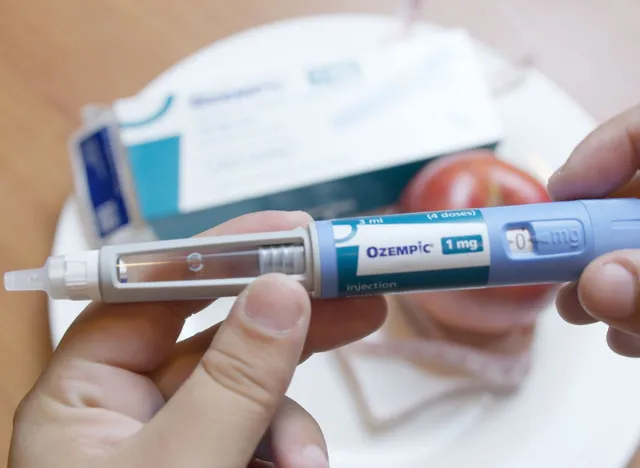
While many individuals may be excellent candidates for weight-loss medication like Ozempic, these prescription drugs still come with serious potential side effects for certain patients.
"Anyone starting a GLP-1 should undergo an in-depth health review with their physician, including their medical history, current medications and allergies, and family history," stresses Jennifer Brown, MD, ABOM, ABFM, Board-Certified Obesity Medicine Doctor at MyObesityTeam.
Health Factors MDs Evaluate Before Prescribing Ozempic

According to Brown, she always confirms an individual meets current body mass index (BMI) guidelines, has no "contradictions" to GLP-1s (i.e., history of medullary thyroid cancer), and has normal blood pressure.
"I also require blood work prior to prescribing a GLP-1 to ensure that the patient has healthy kidneys and doesn't have other diagnoses that would contribute to weight gain," Brown explains. "I also review the patient's medical and family history to make sure there are no contraindications to GLP-1 treatment."
Which Patients MDs Won't Prescribe Ozempic To

If you have hypotension, a BMI of less than 27, gastroparesis, multiple endocrine neoplasia syndrome, or a history of medullary thyroid cancer (whether personal or in the family), Brown will not prescribe Ozempic to you.
"I am also very cautious about prescribing GLP-1s to those with a history of pancreatitis, eating disorders, severe kidney disease, or if they are on insulin for diabetes," she adds.
The Importance of Adopting a Well-Rounded Routine When Taking GLP-1s
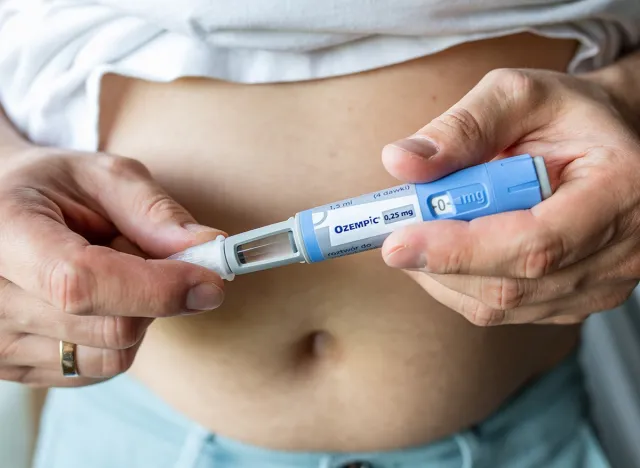
When taking prescription weight-loss drugs, it's so important to adopt healthy lifestyle habits—and stick to them. A well-rounded routine that optimizes diet, regular exercise, and stress management techniques is the name of the game.
"It's vital that patients make the necessary lifestyle changes while on a GLP-1," Brown tells us. "Those taking GLP-1s are at risk of muscle loss; therefore, increasing dietary protein intake and incorporating strength training are of utmost importance for maintaining overall health."
If you're curious about what else GLP-1s can do, check out 5 Surprising Health Benefits of GLP-1 Drugs That Have Nothing to Do With Weight Loss.


