I'm a Dietitian and These Are 5 Anti-Inflammatory Foods I Eat Every Day to Fight Joint Pain After 50


If you suffer from joint pain, you're certainly not alone. The harrowing symptoms of this chronic condition can range from aches and stiffness to downright throbbing pain. Irritated nerves in the joints can also cause inflammation, leaving you fatigued. They can even cause digestive issues. It's essential to learn certain lifestyle tweaks to fight joint pain, potentially avoiding a flair-up—and at the very least, reducing discomfort.
There are significant lifestyle habits that can combat joint pain, including low-impact exercise, stress relief, and sticking to an anti-inflammatory diet. To start you on the right meal track, we spoke with Alexander LeRitz, MSc, RDN, CDN, CNSC, CPT, Registered Dietitian at JM Nutrition, who shares five anti-inflammatory foods he eats every day to fight joint pain—and recommends to everyone after the age of 50.
"When diet quality improves in a sustainable way, joint health often follows," LeRitz tells us. "[When certain foods are eaten consistently], many of my clients report less morning stiffness and more confidence in moving their bodies, especially during daily activities like walking, climbing stairs, or returning to exercise. Energy levels may also tend to feel steadier throughout the day, however, this is hard to separate from an overall balanced approach to nutrition that I teach and encourage my clients to follow."
Consider the 80/20 Philosophy
LeRitz recommends adopting the 80/20 philosophy, which means eating well 80% of the time and leaving room in the remaining 20% for foods you enjoy when you have social plans.
"Start meals by prioritizing protein and vegetables, keep drinks moderate, and avoid being overly strict," LeRitz says. "Nobody wants to be the person bringing a separate meal to a family gathering and honestly sometimes simply maintaining weight and habits through busy seasons is a win."
5 Anti-Inflammatory Foods That Help With Joint Health
Fatty Fish
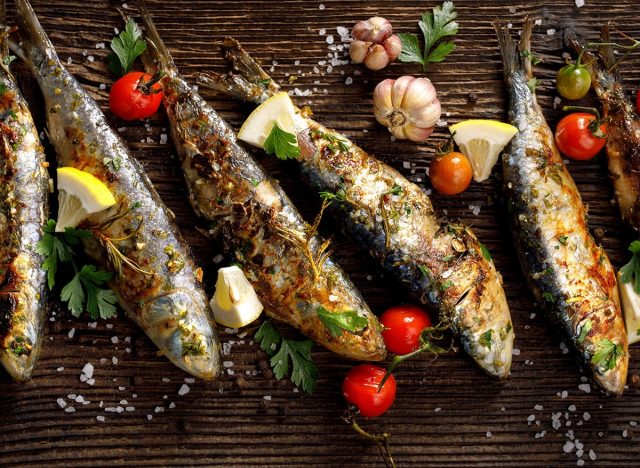
Sardines, trout, and salmon are nutritious fatty fish that are very helpful when it comes to joint pain.
"These nutritious fish provide lots of omega-3 fatty acids, which are well supported by research for their role in reducing inflammation in the body that can contribute to joint pain or discomfort," LeRitz shares. "I encourage simplicity and repetition rather than perfection. Fatty fish two to three times per week is a common target, whether that's roasted salmon, canned sardines, or fish added to salads and bowls."
Extra Virgin Olive Oil (EVOO)
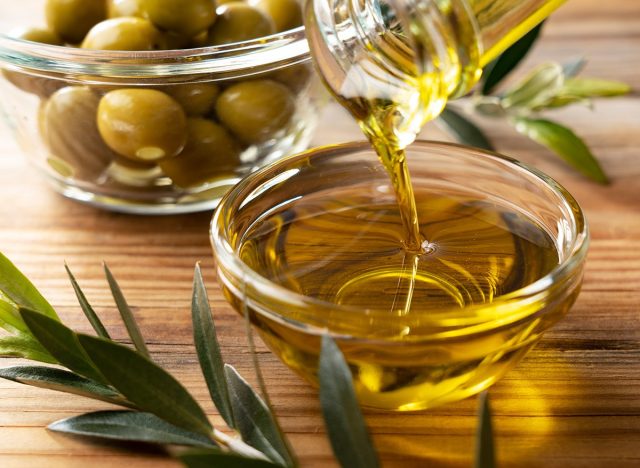
Stock up on plenty of extra-virgin olive oil. This pantry staple is a must!
"Extra virgin olive oil (EVOO). EVOO has beneficial compounds called polyphenols that have anti-inflammatory properties," LeRitz tells us. "Beyond that, EVOO is rich in heart-healthy monounsaturated fats that also promote heart and blood vessel health which is also very important for adults 50 and above. I typically recommend that EVOO is used as the primary fat for cooking and dressings while leaving higher smoke point cooking oils, like avocado oil, for cooking."
Berries

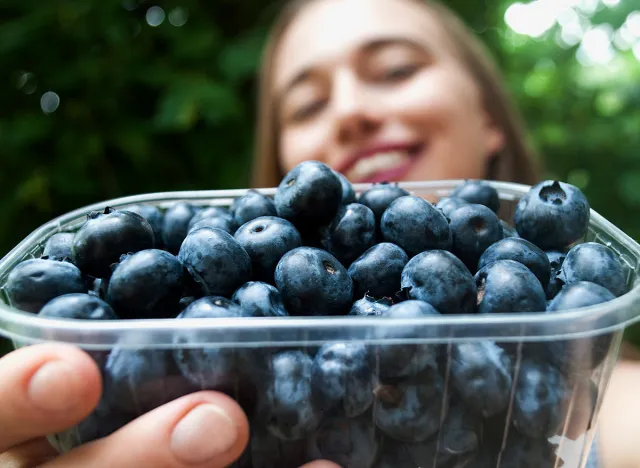
Berries—especially strawberries and blueberries—are rich in antioxidants. They're simple to add to yogurt, smoothies, and oatmeal. Berries are also an easy snack. You can enjoy a bowl of them with a drizzle of farm-fresh honey for a tasty treat!
"Berries are rich in antioxidant compounds that help counter oxidative stress, which plays a role in age-related joint degeneration," LeRitz explains.
Leafy Greens and Cruciferous Vegetables
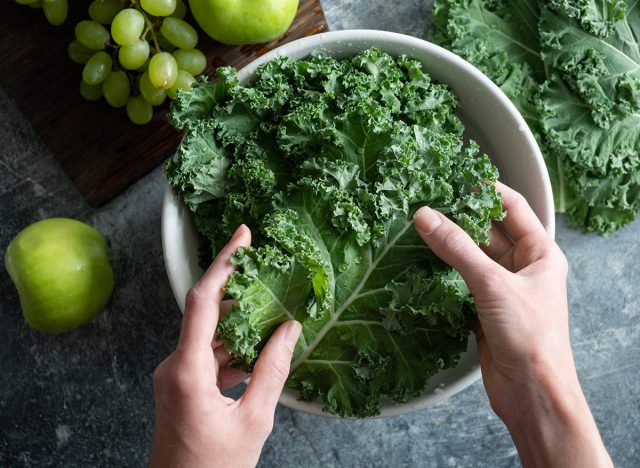
Leafy greens and cruciferous vegetables like spinach, kale, broccoli, and Brussels sprouts should be some of your newest best friends.
"These veggies provide fiber, vitamins, minerals, and plant compounds that support inflammation regulation," says LeRitz. "Vegetables are something that someone can aim to include at most meals rather than aiming for a specific number or rigid rule. Really the goal is to make these foods part of a routine that feels doable long term."
Tumeric
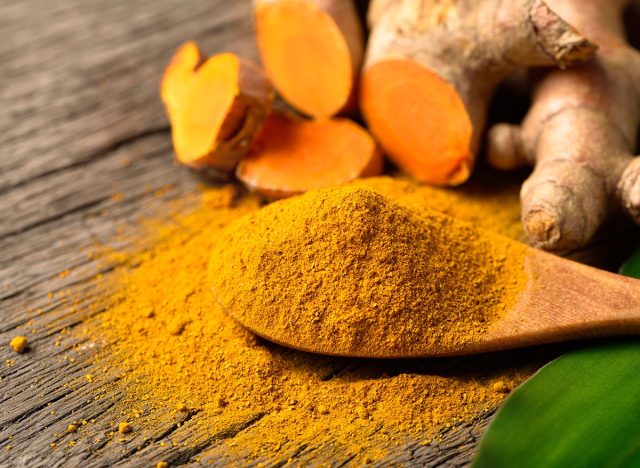
Tumeric has been having a moment when it comes to healthy spices—and for good reason.
"In some cases, spices like turmeric used in cooking can also offer additional support when paired with fat and black pepper," LeRitz notes. You can even start your morning off with a soothing turmeric latte.
If you're curious about what foods to avoid, check out 7 Worst Breakfast Foods That May Be Making Your Arthritis Pain Worse.


