Kathy Bates Lost 100 Pounds and an MD Explains What Women Over 70 Should Know About Keeping Weight Off

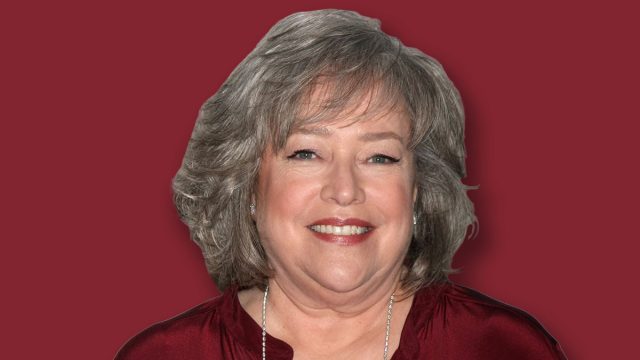
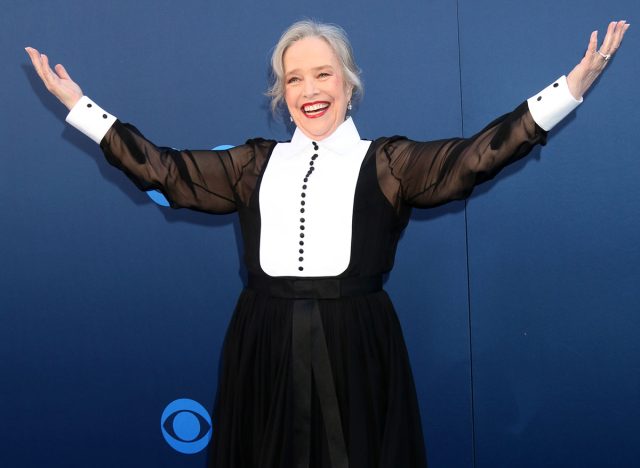
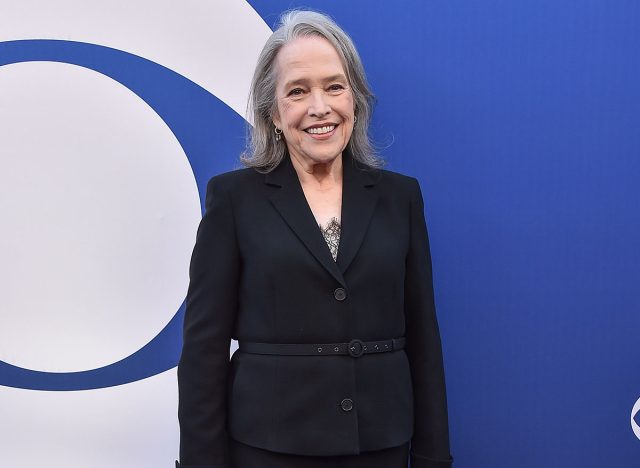
Kathy Bates is over 70 years old and looks downright amazing. The reason why? The celeb took control of her health and lost roughly 100 pounds by adopting certain lifestyle habits. Bates also took Ozempic to manage her type-2 diabetes, which the actress was diagnosed with in 2017. We spoke with an MD to learn what Kathy Bates got right during her wellness journey—and what many women over 70 should understand about weight loss and keeping the excess pounds at bay.
Making Lifestyle Adjustments Before Taking Weight-Loss Medication Is Key
Tweaking your lifestyle before taking weight-loss medication is crucial for long-term success.
"The experience of Kathy Bates and others shows that the most successful long-term patients are the ones who have made lifestyle changes before medication. To lose 80 pounds on your own, you had to make some serious lifestyle changes, and that matters," explains Dr. Roberto Valledor, MD, Collaborating Physician for Texas-based Nurse Practitioners within Mochi Health's telemedicine platform, overseeing GLP-1–based obesity treatment protocols and ensuring top-notch clinical care. "These medications can be very helpful, but they work most optimally when they're supporting habits that are already in place. Especially for older adults, there is no quick fix that will hold up over time."
A Serious Diagnosis Raises the Stakes
Getting diagnosed with a chronic disease like type-2 diabetes really puts things into perspective. Bates knew it was time to take charge of her health.
"When a patient feels the direct connection between their weight and their health, especially if they have seen a close family member go through the same experience, that's a more reliable motivator than if they want to lose weight just to fit into a smaller size," Dr. Valledor explains. "It becomes about survival rather than aesthetics. The challenge is helping patients hold onto that urgency once they start losing weight and feeling better."
RELATED: The 7-Minute Bed Routine That Restores Core Strength Faster Than Planks After 55
GLP-1s Teach You How To Listen to Your Fullness Signals
According to Dr. Valledor, one of the most overlooked benefits of taking GLP-1 medication is that it teaches you to listen to when you're full.
"A lot of patients who are chronically obese are eating not when hungry, but out of habit, or boredom, or anxiety," Dr. Valledor tells us. "The medication offers a chance to tune back into those signals. A lot of simple habits can also help with that: eat slowly, eat without looking at a screen, stop halfway through a meal to ask yourself how hungry you are. The medication is helpful because it decreases hunger, but mindfulness helps patients actually act on those signals rather than override them out of habit."
Weight Loss Does Not Get Easier With Age
One of the biggest misconceptions about weight loss is that it gets easier with age. As you grow older, your metabolism slows, muscle mass naturally declines, fat tends to accumulate in the midsection, and recovery time may take longer after workouts.
"This is a time for more structure, not less," Dr. Valledor points out. "You may need to pay closer attention to protein, to ensure you are preserving as much muscle mass as possible. You may need to be more structured and patient with your exercise as your body responds more slowly to it. Most importantly, you need to stop comparing yourself to when you were 40! This is just a set up for frustration."
RELATED: The 6-Minute Bed Routine That Restores Thigh Strength Faster Than Squats After 55
While Many Women 50+ Focus on Weight Loss, Their Top Priority Should Be Muscle Preservation
One common issue many women face after 50 is rather than focusing on maintaining muscle mass and muscle function, they tend to prioritize weight loss.
"Sarcopenia is a legitimate concern as you age, and it can impact everything from mobility and balance to metabolism," Dr. Valledor says. "Weight loss that doesn't account for muscle mass can make a person even more frail, even as they're losing pounds. So, in a sense, I think the language needs to shift to body fat loss, and really emphasizing protein intake, incorporating resistance training, and promoting a slow rate of loss that preserves muscle."
For more weight-loss success stories, check out Ricki Lake Lost 35 Pounds and These 6 Habits Helped Her Transform Her Body.


