I'm a Doctor Who Treats Patients Over 50 and Here's What Kathy Bates Got Right About Ozempic at 77

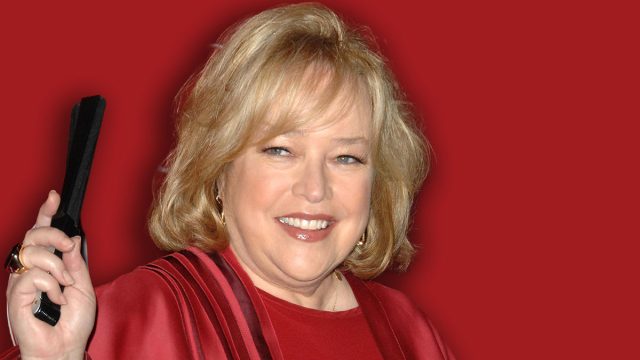
If you're embarking on a weight-loss journey, look no further than Kathy Bates for inspiration. The actress lost an impressive 100 pounds by making certain lifestyle adjustments, and she took Ozempic to help manage her type-2 diabetes, which Bates was diagnosed with in 2017. We spoke with a doctor who treats patients 50+ to learn exactly what Kathy Bates got right about taking Ozempic.
Kathy Bates Worked Incredibly Hard To Lose Weight
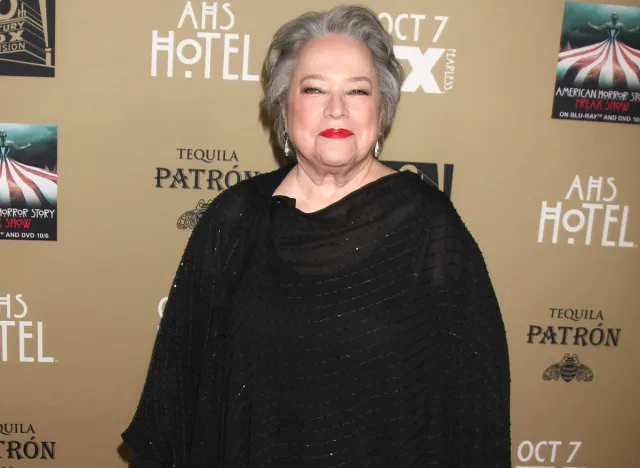
Bates worked hard to achieve her weight loss and take charge of her health. She even called out critics who said her weight loss was solely due to Ozempic.
"People say, 'Well, it was the Ozempic.' F— you, it was the Ozempic! It took me years to do this. I got this diagnosis about diabetes — my father died of it; his mother died of it; one of my sisters is in peril. When they said 'diabetes,' I figured out what to do to slowly, over years, lose the weight," the Matlock star told Variety in September 2025 (via PEOPLE).
She Didn't Portray Ozempic as a "Shortcut"

Bates's routine was well-rounded—Ozempic was just part of the equation.
"She didn't portray Ozempic as a shortcut or a miracle. She's been clear that most of her weight loss came from long-term lifestyle changes, and that medication played a supportive role later on. That's exactly how these drugs work best in real life," explains Dr. Fernando Ovalle Jr., M.D., Double Board-Certified Plastic Surgeon, Obesity Medicine Specialist, and Expert Contributor at Drugwatch.com.
Her Weight Loss Was Gradual

Bates wasn't looking for a quick fix or trendy fad diet for fast results. Her weight loss was gradual, making the habits she adopted along the way more sustainable in the long run.
"She emphasized that this took time. Sustainable weight loss, especially later in life, is rarely fast. Her message pushes back against the idea that healthy change should happen instantaneously or overnight," Dr. Ovalle Jr. says.
Ozempic Helped Her in the Final Stretch
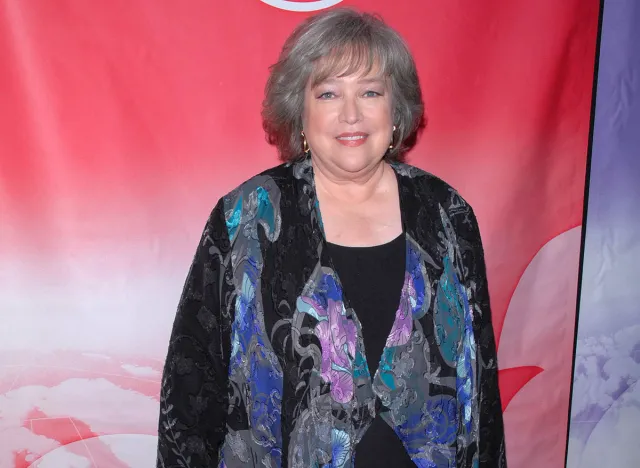
As previously stated, Ozempic was only part of Bates's weight-loss journey. She took the GLP-1 to lose the last 15 to 20 pounds (via PEOPLE).
"She talked about Ozempic helping with the 'last stretch,'" Dr. Ovalle Jr. points out. "Many patients can lose a significant amount of weight through diet and behavior changes, but hit a plateau. GLP-1s are often most helpful at that stage, not necessarily from square one."
She Prioritized Her Health
Bates's top priority was to reclaim her health after her type-2 diabetes diagnosis.
"She focused on health, not appearance. She's linked her weight loss to diabetes risk and family history, which is exactly how I counsel patients. The goal is better metabolic health, mobility, and quality of life, not chasing a dress size or number on the scale," Dr. Ovalle Jr. says.
She's Been Real About Appetite Regulation
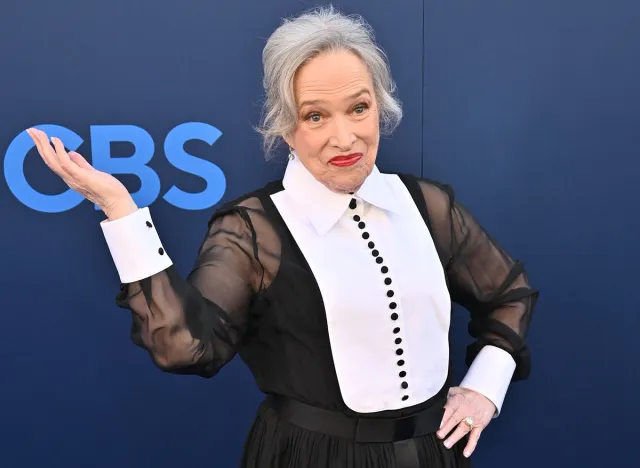
According to Dr. Ovalle Jr., Bates has been refreshingly open about how challenging appetite regulation can be.
"That matters, because it reinforces that obesity isn't a willpower problem; it's a chronic, biologically driven disease," he says.
The Effectiveness of Ozempic in Older Adults
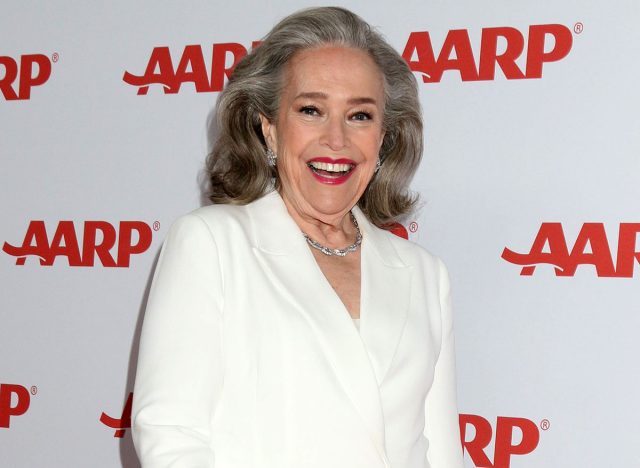
GLP-1 meds can be very powerful among the older adult population.
"At any age, adult patients can see meaningful improvements in weight, blood sugar, and overall health," Dr. Ovalle Jr. notes. "That said, safety matters more with age. I think it is important to go slower with dosing and monitor more closely, specifically for: Muscle loss and frailty risk, especially if weight loss is rapid; overall nutrition and protein intake, which are often overlooked; hydration and GI side effects, which can hit older adults harder; medication interactions, particularly in patients with diabetes on insulin or other agents."
For more weight-loss success stories, check out Ricki Lake Lost 35 Pounds and These 6 Habits Helped Her Transform Her Body.


