I'm an MD Who Prescribes Both and Here's Why I'm Giving Patients Mounjaro Over Ozempic Now

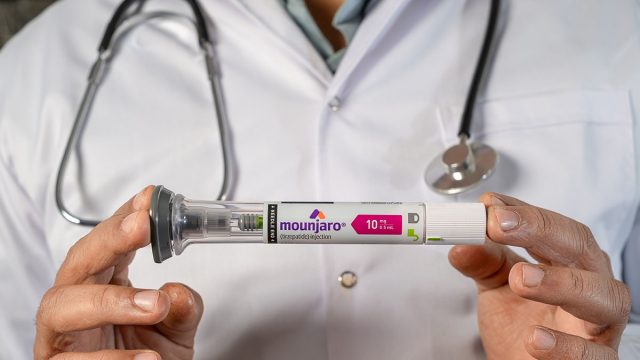
A weight-loss journey isn't something to take lightly. Not only does it require hard work, dedication, and consistency, but it can also come with serious side effects, health risks, and more. Prior to deciding the road you will take, it's essential to understand all the facts. If you're considering taking weight-loss drugs like Mounjaro or Ozempic, the decision can be overwhelming. What are the differences? Is one better for you than the other?
To get you started, we spoke with Dr. Bronwyn Holmes, M.D., Medical Advisory Board at metabolic health platform Eden, to learn what Mounjaro actually does to your metabolism compared to Ozempic.
How Mounjaro Impacts Metabolism Differently Than Ozempic
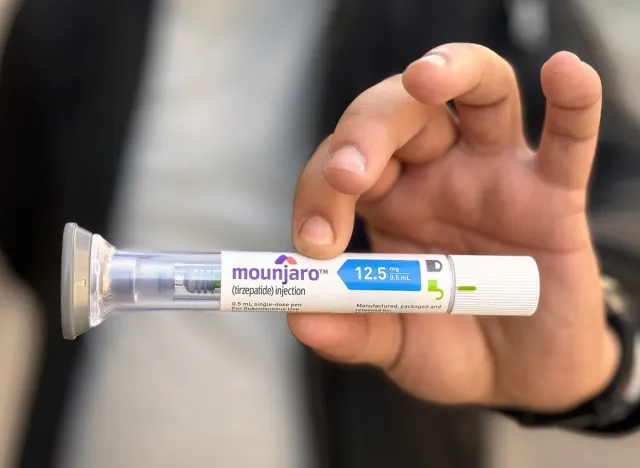
"Mounjaro is a dual agonist, activating both GLP-1 and GIP receptors. GIP (glucose-dependent insulinotropic polypeptide) enhances insulin response and may help preserve beta-cell function and support fat metabolism differently than GLP-1 alone," Dr. Holmes explains. "Clinically, Mounjaro (tirzepatide) tends to produce more dramatic improvements in insulin sensitivity, visceral fat loss, and total body weight compared to semaglutide. It also helps preserve lean mass slightly better, though this requires more long-term data."
Why It's Important To Understand the Difference
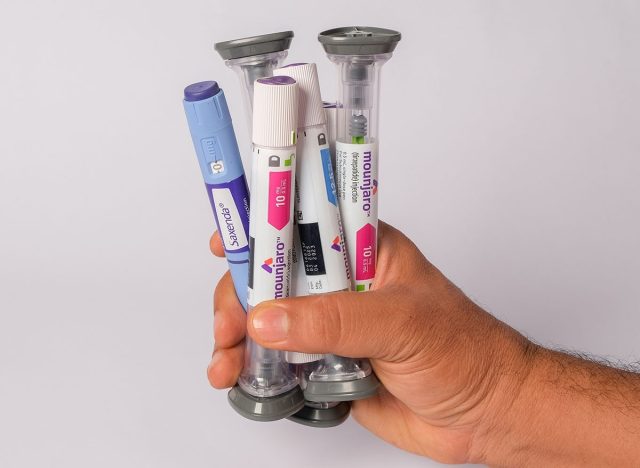
Different prescription drugs hit different "metabolic levers." For instance, if an individual has substantial insulin resistance, stubborn visceral fat, or metabolic syndrome, they may have a better response to tirzepatide.
"However, the side effect profiles can differ, and not all insurance plans cover both," Dr. Holmes explains. "Understanding your unique metabolic picture helps patients and providers select treatments that not only yield weight loss but also support long-term metabolic repair."
How To Optimize Your Metabolism

Regardless of which weight-loss medication you take, the rules remain the same: It's important to stick with certain healthy habits.
- Consume sufficient protein (25 to 30 grams in each meal).
- Strength train consistently to maintain muscle mass.
- Avoid skipping meals or prolonged stretches of fasting.
- Emphasize whole foods.
"These drugs work best when paired with metabolic signaling, in the form of movement, nutrients, and structure," Dr. Holmes explains.
Dietary Strategies To Preserve Muscle

Optimizing your diet is essential for preserving and building muscle as you lose weight. Here's what Dr. Holmes recommends.
- Evenly distribute your protein across meals rather than consuming it all at the end of the day.
- Include protein and complex carbs in post-workout meals to promote muscle recovery.
- Consume resistance starches (i.e. green bananas and cooked potatoes) to feel beneficial gut flora.
- If you don't have much of an appetite, emphasize nutrient density rather than volume.
If you're curious about what else GLP-1s can do, check out 5 Surprising Health Benefits of GLP-1 Drugs That Have Nothing to Do With Weight Loss.


