I'm a Weight Loss Doctor and This Is the No. 1 Thing I Tell Every Patient Before They Stop Taking a GLP-1

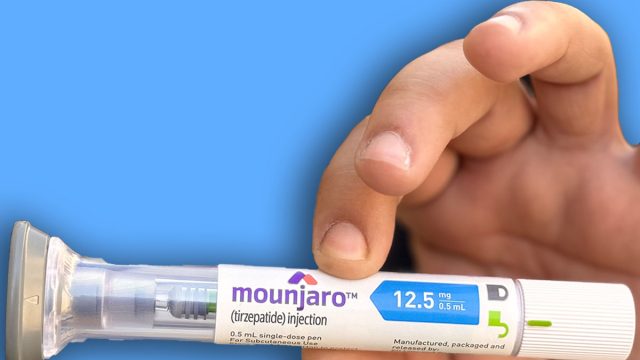
Weight loss physicians are becoming more common, making comprehensive care that's personalized and evidence-based easier to find and more accessible. In fact, The American Board of Obesity Medicine (ABOM) came together just 15 years ago (in 2011). This organization specifically focuses on obesity care.
With the popularity of GLP-1 drugs for weight loss moving at warp speed, there's never been a better time to have the medical resources to draw upon. After all, there's so much to educate yourself about before deciding on resorting to these prescription drugs for weight loss. The drugs will not only be impactful while taking them, but after you stop as well.
We spoke with Dr. Bronwyn Holmes, MD, member of Eden's Medical Advisory Board, and learned exactly what she tells patients before they stop taking GLP-1 medication.
The No. 1 Thing I Tell Patients Before They Stop Taking a GLP-1
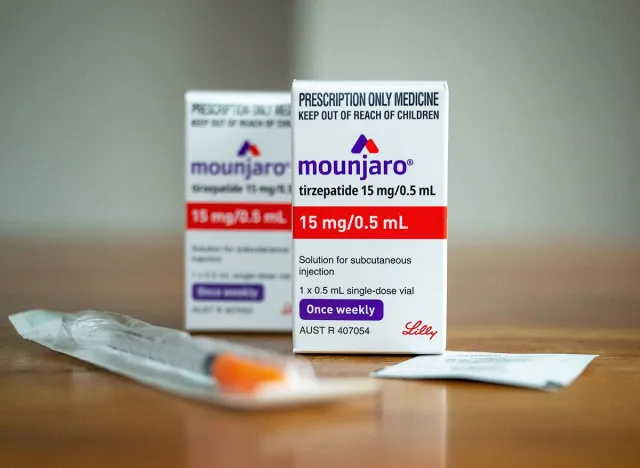
There's one important message Dr. Holmes gives all her patients before they stop taking a GLP-1 like Wegovy, Mounjaro, or Ozempic: "Stopping the medication does not mean you have failed. Stopping the medication means you need a plan."
Having a solid game plan on deck for life after GLP-1s is essential to maintaining your new goal weight—and avoiding weight regain.
"I have seen these medications change the appetite. I have seen these medications change the metabolism. I have seen these medications change the way the brain handles hunger and reward," Dr. Holmes says. "When the support is removed, the person does not get back to normal. The person navigates a rebound. Without the structure to manage the changes, the person can easily fall back into the patterns by accident."
What a Solid Game Plan Should Consist Of
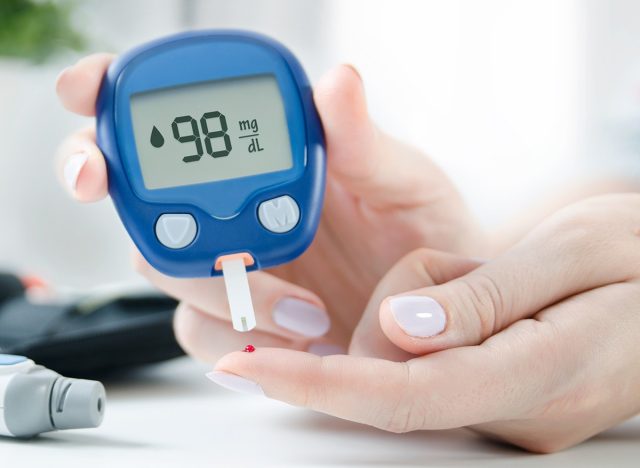
According to Dr. Holmes, you're "not ending the treatment—you are shifting the tools." A solid plan includes strength training, structured/healthy eating habits (with sufficient protein intake), blood sugar monitoring, and potentially a step down to a maintenance dose or backup medication.
"I have seen patients move through the transition. Do not go into the transition blind," Dr. Holmes stresses.
The Transitional Phase

The transition off of a GLP-1 can serve as a "make or break" window for patients.
"The transition phase decides if weight maintenance works or if weight regain creeps in. The transition phase matters," Dr. Holmes explains. "GLP-1 medications suppress hunger. GLP-1 medications slow digestion. GLP-1 medications change how the body breaks down glucose and fat. I have noticed that when you stop GLP-1 medications, the effects fade. Satiety fades. The hunger hormone ghrelin reactivates. Blood sugar may spike easily. The body nudges you to eat more and burn less. The response is a survival response, not a lack of willpower."
This phase in your weight-loss journey is critical, because, according to Dr. Holmes, "removing metabolic scaffolding without replacing it brings collapse."
Changes To Expect Once You Discontinue GLP-1 Use

Dr. Holmes usually sees "returns" happen quickly—but the amount of change is highly unique to the individual.
"Most people often feel hungry strongly and earlier in the day. Appetite returns because the medication stops slowing down digestion and stops raising hormones," she shares.
Emotional eating, cravings, and impulsive food habits may also return.
" I have seen that Semaglutide reduces the brain's reward feeling in the appetite parts. When the reduction ends, food can feel emotional again, especially when you are with people or under stress," Dr. Holmes notes.
Why Relying on Calories Alone Won't Cut It

In addition, your resting metabolic rate (RMR) doesn't completely recover after ending treatment. Because muscle loss is common while taking GLP-1 meds, actively building and maintaining it is key. The more muscle you have, the higher your RMR will be, which aids in weight management.
"Calorie restriction alone cannot stop weight regain," Dr. Holmes says.
If you're curious what else happens to your body when you wean off the weight-loss meds, check out 5 Body Changes Doctor Warns Happen When Patients Stop Taking Ozempic.


