I'm a Nutritionist and These Are the 4 Breakfast Foods That Destroy Muscle After 50

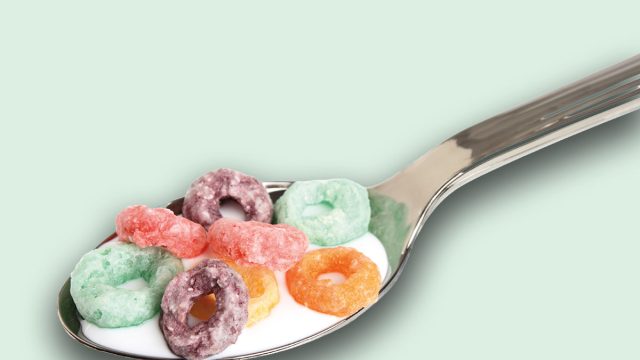
Breakfast is the most important meal of the day. After all, having a healthy meal first thing in the morning fuels your body and gives you the energy you need to tackle whatever you have planned. But it's so much more than that. Breakfast should be well-balanced to prevent you from eating too much later in the day; it should also provide you with necessary vitamins and minerals. Choosing the wrong breakfast foods can be more detrimental than you realize. So before grabbing a quick bowl of cereal or a sugar-topped muffin, listen up. We learned from a nutritionist four breakfast foods that can actually destroy muscle after 50.
How Certain Breakfast Foods Can Negatively Impact Muscle

"After age 50, the body loses its ability to use the protein we consume through food for building and repairing muscles (anabolic resistance). When we have a very low-protein breakfast, it is unlikely to stimulate muscle protein synthesis in us at a time when our bodies will be most likely to use this stimulus, first thing in the morning," explains Dr. Kezia Joy, RDN and Medical Advisor with Welzo.
Many common breakfast items are packed with added sugars and refined carbs—both of which can cause blood sugar spikes and low-grade inflammation. This can greatly impact how well your muscles recover post-injury and the quality of muscle you maintain in the long run.
Below, Dr. Joy calls out four common breakfast foods that can destroy muscle after 50.
RELATED: 4 Morning Exercises That Trim Waist Bulge Better Than 30 Minutes of Cardio After 45
Sugary Cereals
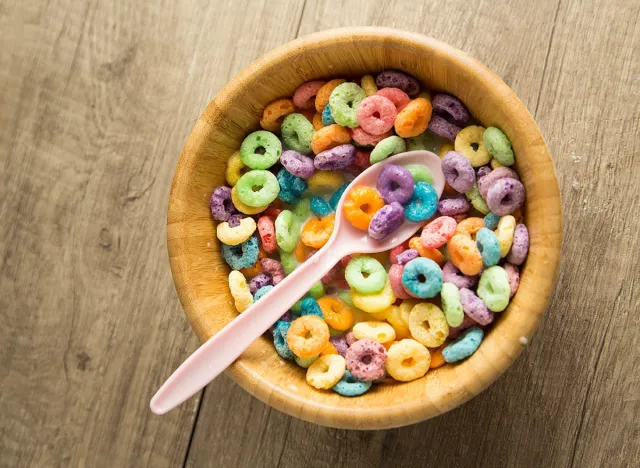
"Sugary cereals tend to have a lot of carbohydrates from refined sources and little or no protein. As such, while these types of cereals offer fast energy, they do not supply the amino acids required to promote muscle recovery, and as individuals age, they may contribute to muscle loss," Dr. Joy explains.
Pastries and Other Refined Baked Goods

Your mouth may water when perusing the grocery store bakery aisle, but it's important to remember that pastries and other refined baked goods offer zero nutritional value.
"Over time, consistently replacing protein-rich foods (e.g., eggs, fish, red meat) with pastries, white bread spreads, and other refined baked products will lead to reduced overall protein consumption per day, which has been directly related to muscle loss during aging," Dr. Joy explains.
Flavored Yogurt

Most flavored yogurts are packed with excess calories and sugar. Opt for Greek yogurt instead—which is packed with protein—topped off with fresh berries, farm-fresh honey, chia seeds, and walnuts.
Fruit-Only Breakfast
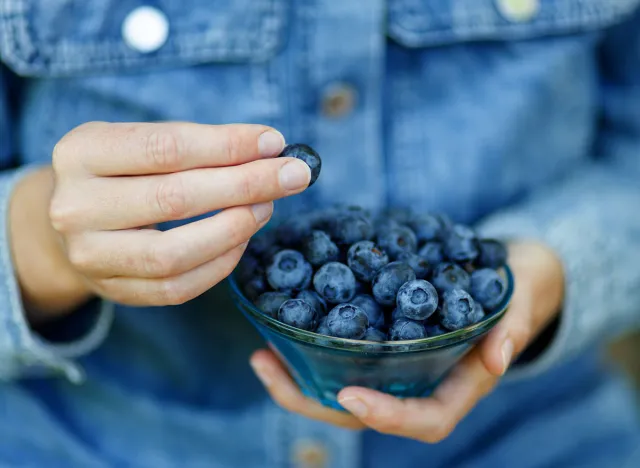
According to Dr. Joy, your breakfast needs more substance than just savoring fresh fruit.
"While fruit-only breakfasts include some important nutrients, most fall short of providing enough protein to stimulate muscle maintenance by themselves," she says.
Specific Ingredients That Contribute to Muscle Loss

Low levels of quality protein (especially leucine-rich) have consistently contributed to the loss of lean muscle. Leucine activates muscle protein synthesis signaling, Dr. Joy explains. She recommends aiming for 25 to 30 grams of high-quality protein at breakfast time.
"Indirectly, high levels of added sugars and refined carbohydrates promote inflammation and insulin resistance, which makes it more difficult for the body to produce an adequate response to nutritional stimuli," Dr. Joy adds.
For more muscle preservation tips, check out I Lost 60 Pounds on Wegovy After 45 and These 3 Protein Swaps Saved My Muscle Mass.


